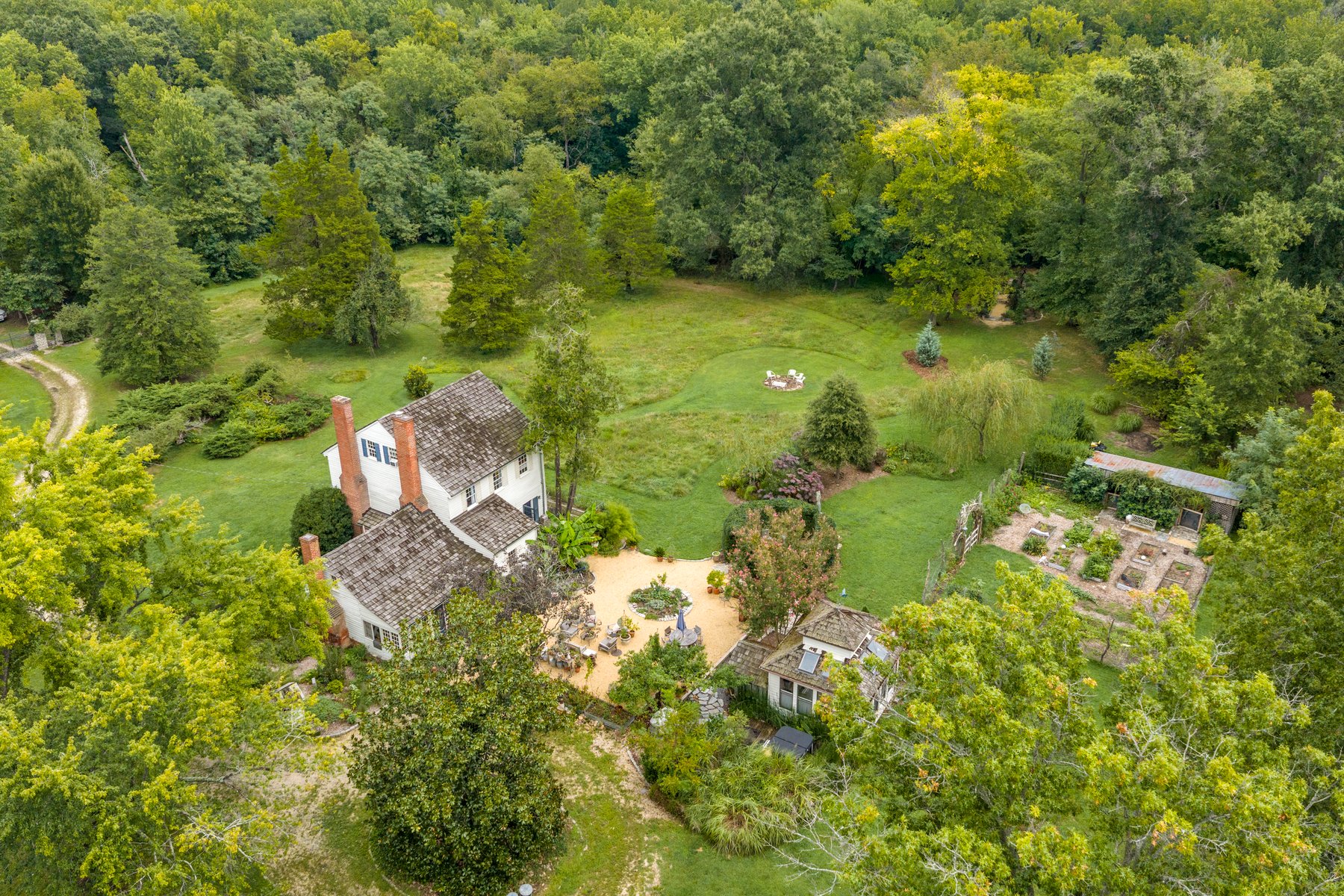
There is a long-standing romance between creative minds and historic property. From Monet’s sanctuary in Giverny to modern painters, sculptors, and writers carving out work sanctuaries in North America, artists consistently migrate toward older homes, historic estates, and rustic farms.
For the creative buyer, a historic residence isn’t just a place to live—it’s a living muse, a functional studio space, and a lasting piece of artwork in its own right.
Unmatched Character and Textural Inspiration
Mass-produced modern construction often lacks the rich visual depth that artists crave. Historic properties offer an environment defined by artistry, craftsmanship, and texture:
-
Architectural Detail: Hand-hewn timber beams, plaster walls, exposed brickwork, and hand-poured glass panes offer immediate visual inspiration.
-
Patina and History: The natural aging of wood, stone, and metal brings a sense of history and depth that cannot be replicated with off-the-shelf materials.
-
Sense of Story: Creative minds thrive on narrative, and historic estates are steeped in it—offering an undeniable connection to the past.
Generous Volume and Adaptable Spaces
Artistic practice often requires physical room to spread out, store materials, or host collaborators. Historic farms and estates naturally provide sprawling floor plans and auxiliary structures that make ideal creative hubs:
| Space Type |
Creative Application |
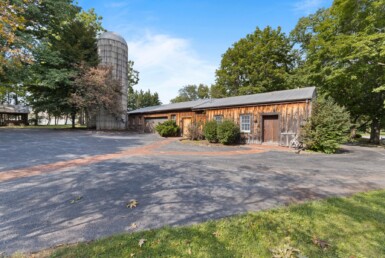
| Converted Barns & Outbuildings |
High ceilings and open spans create ideal studio setups for large-scale painting, sculpture, or woodworking. |
| Historic Carriage Houses |
Separated from the main residence, these are perfect for soundproof music studios, writing spaces, or guest residencies. |
| Generous Sunrooms & Attics |
High-pitch attics and wraparound sun porches offer private, light-filled corners for writing, drafting, or quiet contemplation. |
The Power of Natural Light and Volume
Long before electric illumination became standard, historic homes were engineered to maximize natural light. Soaring ceilings, tall double-hung windows, and northern exposures—highly prized by visual artists—are built directly into the fabric of older architecture, creating optimal lighting conditions for studio work.
Privacy and Connection to Nature
For many creators, sanctuary is an essential ingredient for focus. Historic rural estates and farms offer acreage, privacy, and directly accessible landscape:
-
Uninterrupted Focus: Distraction-free environments allow writers, composers, and artists to sink deep into creative flow.
-
Natural Landscapes: Rolling pastures, mature trees, and undisturbed natural light serve as an ongoing source of visual and mental renewal.
-
Live-Work Integration: Living where you work eliminates commutes and makes creative production a seamless part of daily life.
_____________________________________
Suggested reading: The Creative Act by Rick Rubin