The Architecture of Rebellion: How Colonial Taverns Built American Democracy
Long before the ballot box, American democracy was forged around low-ceilinged hearths, communal tables, and bustling turnpike taverns. Explore the history of our democratic roots through the unique, dual-era architecture of the Dr. Charles McGill House.
With Election Day today, I’ve found myself thinking a lot about the actual spaces where our democratic experiment began.
When we picture early American democracy, we usually imagine polished marble halls, high-domed capitals, or quiet dignified chambers. But the reality was much messier, warmer, and louder. Long before anyone cast a formal ballot in a polling booth, democracy was brewed, argued, and pieced together inside low-ceilinged, timber-framed public houses.
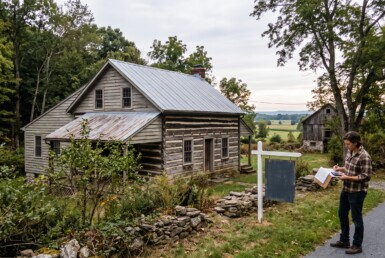
I was reminded of this connection recently while looking at one of our own listings: the iconic Dr. Charles McGill House (c. 1820) in Jefferson, Maryland.
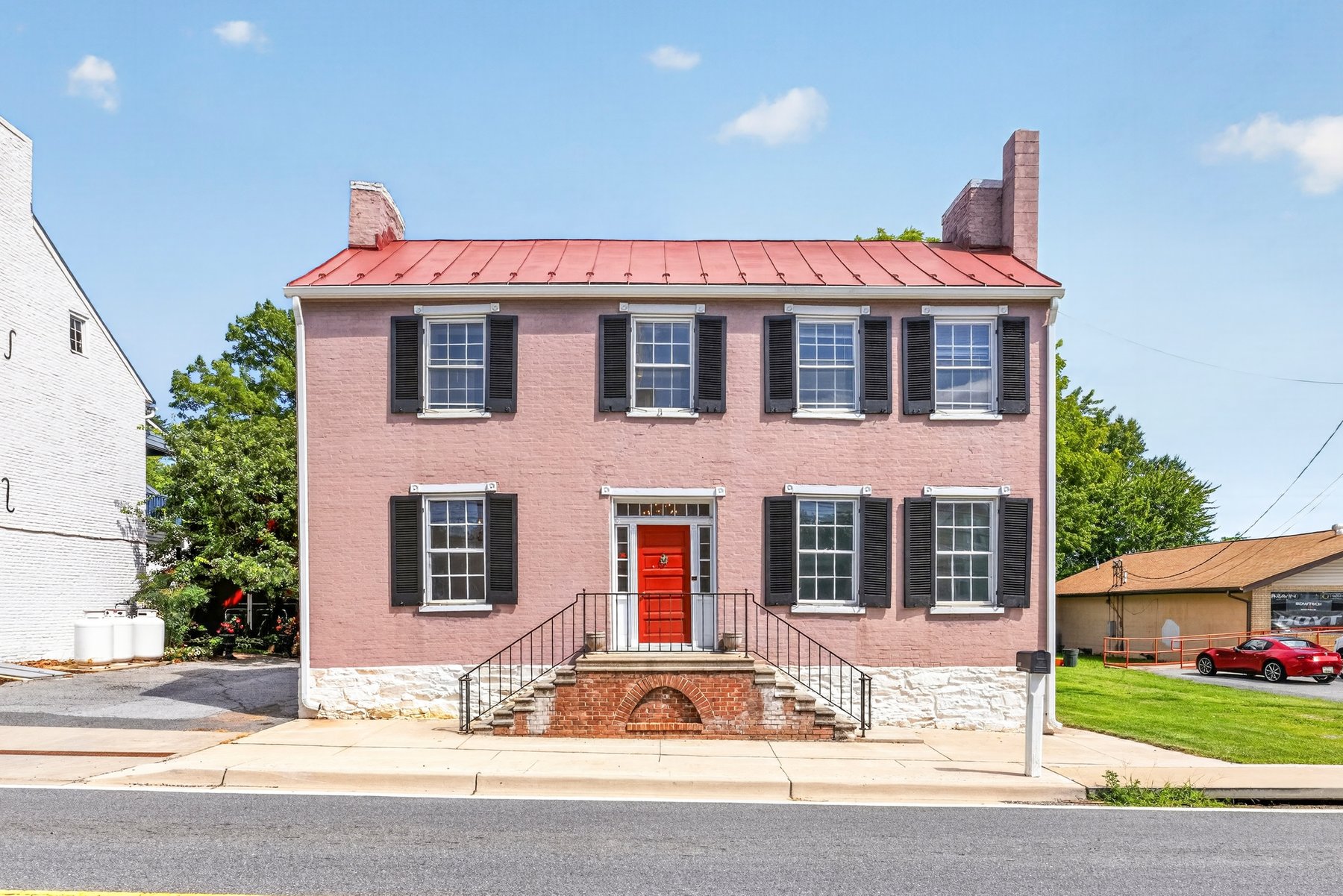
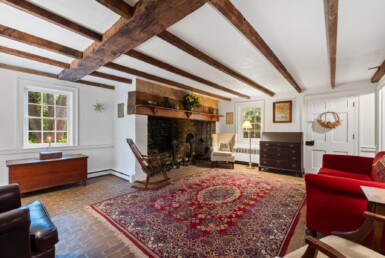
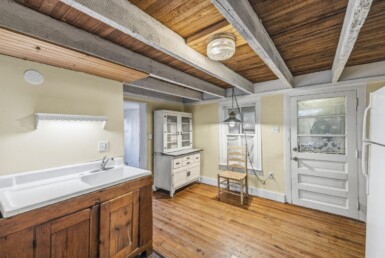
What makes this property so extraordinary is its dual-era architecture. While the front of the home is an elegant, commanding Federal brick main house built around 1820, integrated into the back is a partially restored 1700s log tavern.
In the late 18th century, long before the town took its modern name, this spot sat along the turnpike carrying weary travelers, farmers, and traders from Baltimore out to all points west. The original log tavern was the beating heart of that turnpike route—a place where travelers stepped off dusty coaches, pulled up a bench, and shared news over a warm meal.
And that physical setup had major political consequences.
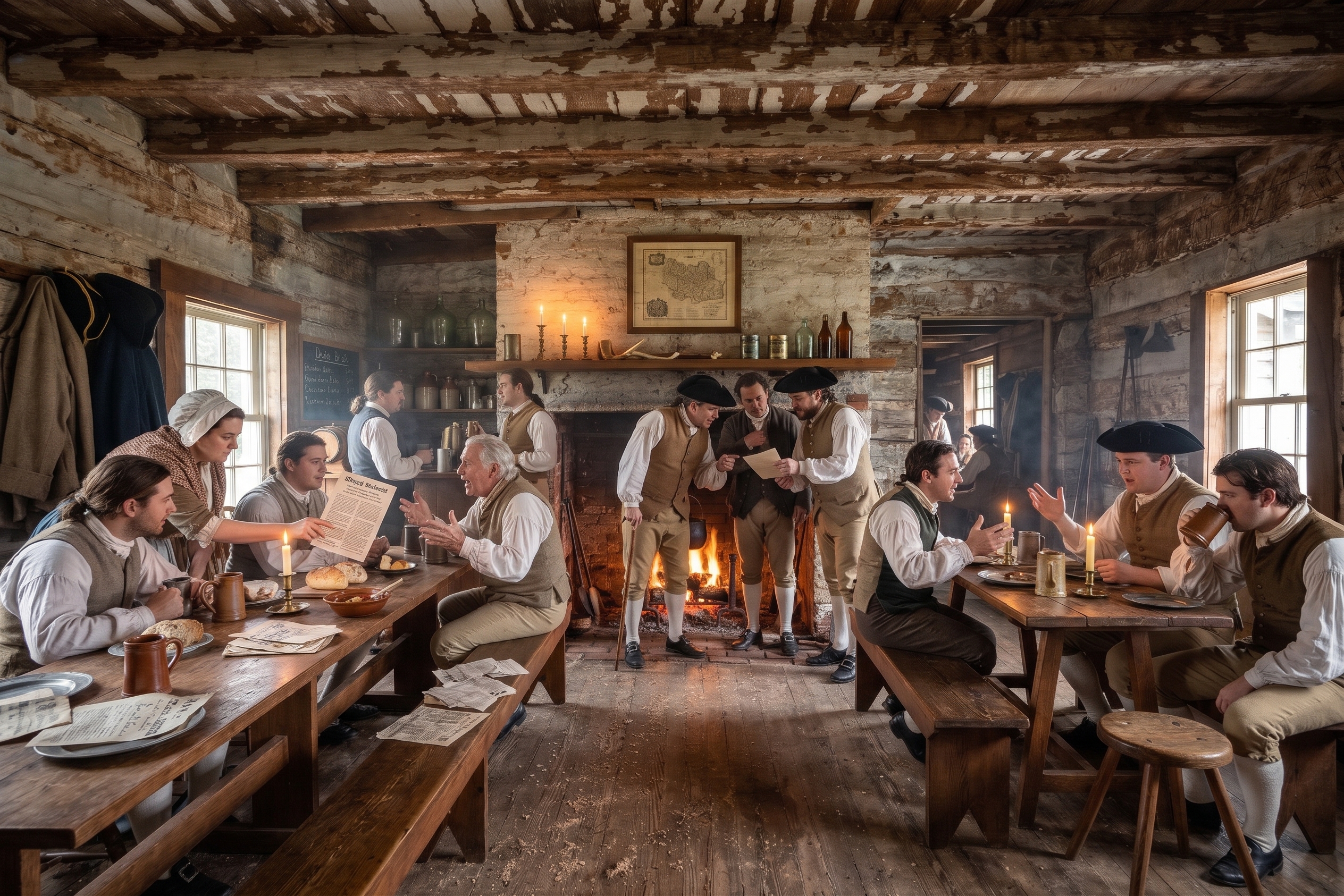
Unlike formal European civic buildings of the era—which were designed with high rostrums and physical barriers to enforce social rank—colonial turnpike taverns were built around broad, open multi-purpose spaces. There were no private velvet ropes. If you walked in from the turnpike, you sat down at a long trestle table next to whoever was already there. A prominent physician or land owner might sit elbow-to-elbow with a blacksmith, a tenant farmer, and a traveling merchant. The architecture itself acted as a social equalizer, forcing people from every walk of life into the same shared room.
Then there is the acoustic climate of these early log structures. Inside the McGill House’s 1700s tavern, you find low ceilings, exposed log walls, and a working stone hearth. While those low ceilings were originally designed for heat retention, they created an intensely intimate acoustic environment. You didn’t need to stand on a soapbox to be heard. You could lean across the hearth fire and speak in low, steady tones—the exact kind of space where political rebellion and local resistance could be quietly debated without raising suspicion.
These turnpike taverns served as the internet of the 18th century. Post riders delivered broadsides, letters, and early newspapers straight to tavern doors. On any given evening, someone standing near the hearth would read the latest political news out loud for the entire room. Literacy became a collective experience, and debates over governance, rights, and colonial policy immediately rippled through the tavern while the ink on the page was still wet.
When you walk into a place like the partially-restored tavern section of the McGill House today—stepping across original wide-plank floors and standing in front of that historic hearth—you’re standing in the exact type of room where American democracy was cooked up.
As we head out to cast our votes today, it’s worth reflecting on how vital these gathering spaces remain. Democracy has always depended on having places where strangers can pull up a chair, face the same hearth, exchange news, and find common ground across a shared table.