Atomic Style, Timeless Living: The Enduring Magic of 1950s Mid-Century Modern Design
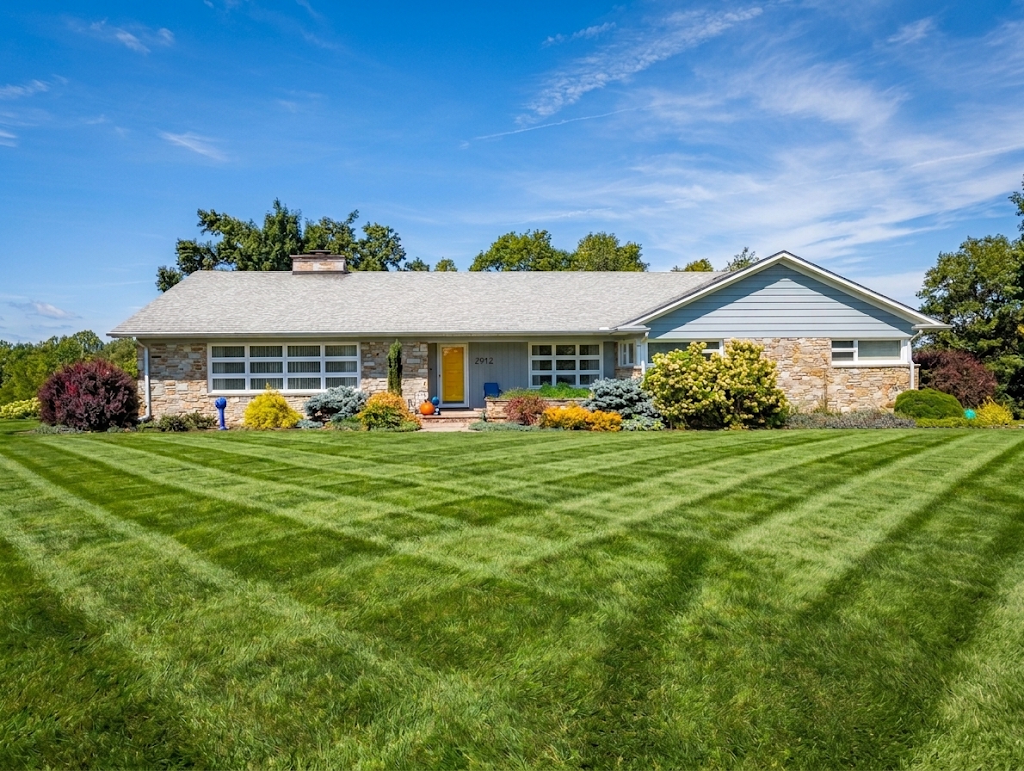
Mid-Century Modern (MCM) architectural and interior design remains one of the most enduring design movements in history. Born out of the post-WWII housing boom and a desire to break free from traditional, compartmentalized living, the 1950s saw a radical shift toward clean lines, organic integration, and intentional color palettes.
The Architectural Blueprint & Layout
Mid-century modern homes were designed with a distinct philosophy: bring the outside in and create spaces centered around family interaction.
-
Open-Plan Living: Instead of distinct, closed-off rooms, 1950s layouts introduced unified spaces where living, dining, and kitchen areas flowed seamlessly into one another.
-
Indoor-Outdoor Continuity: Large floor-to-ceiling glass walls, sliding doors, and clerestory windows erased the boundaries between indoor spaces and surrounding nature.
-
Low-Slung Profiles: Post-and-beam construction allowed for flat or gently sloping butterfly roofs, exposed wooden support beams, and sprawling single-story ranch formats.
The 1950s Color Palette
The color strategy of 1950s MCM design balanced high-energy accent tones with grounding organic shades.
| Color Category | Common Tones | Application |
| Earth Tones (Base) | Warm Teak, Walnut, Olive Green, Ochre | Wood paneling, floors, exposed beams |
| Saturated Accents | Atomic Orange, Chartreuse, Mustard Yellow | Accent walls, statement armchairs, artwork |
| Pastel Backdrops | Mint Green, Seafoam Blue, Dust Rose | Kitchen cabinetry, appliance finishes, trim |
The Iconic 1950s Tiled Bathroom
Few spaces embody 1950s interior design quite like the mid-century bathroom. Far from today’s monochromatic marble trends, mid-century bathrooms embraced bold, deliberate color blocking.
-
Color-Coordinated Tilework: Bathrooms featured floor-to-ceiling ceramic square tiles, often pairing two-tone pastel combinations—such as pink and maroon, mint green and black, or turquoise and white.
-
Matching Porcelain: Sinks, tubs, and toilets were manufactured in matching colored porcelain to complement the wall tile seamlessly.
-
Structural Details: Built-in medicine cabinets with sliding mirrors, integrated tiled soap dishes, and geometric lighting fixtures completed the space.
The enduring appeal of mid-century modern design lies in its functional simplicity. By prioritizing natural light, honest materials, and playful color choices, the 1950s created an aesthetic that remains just as fresh and livable today as it was seven decades ago.