Living with History: The Ups and Downs of Owning a Protected Historic Home in Maryland
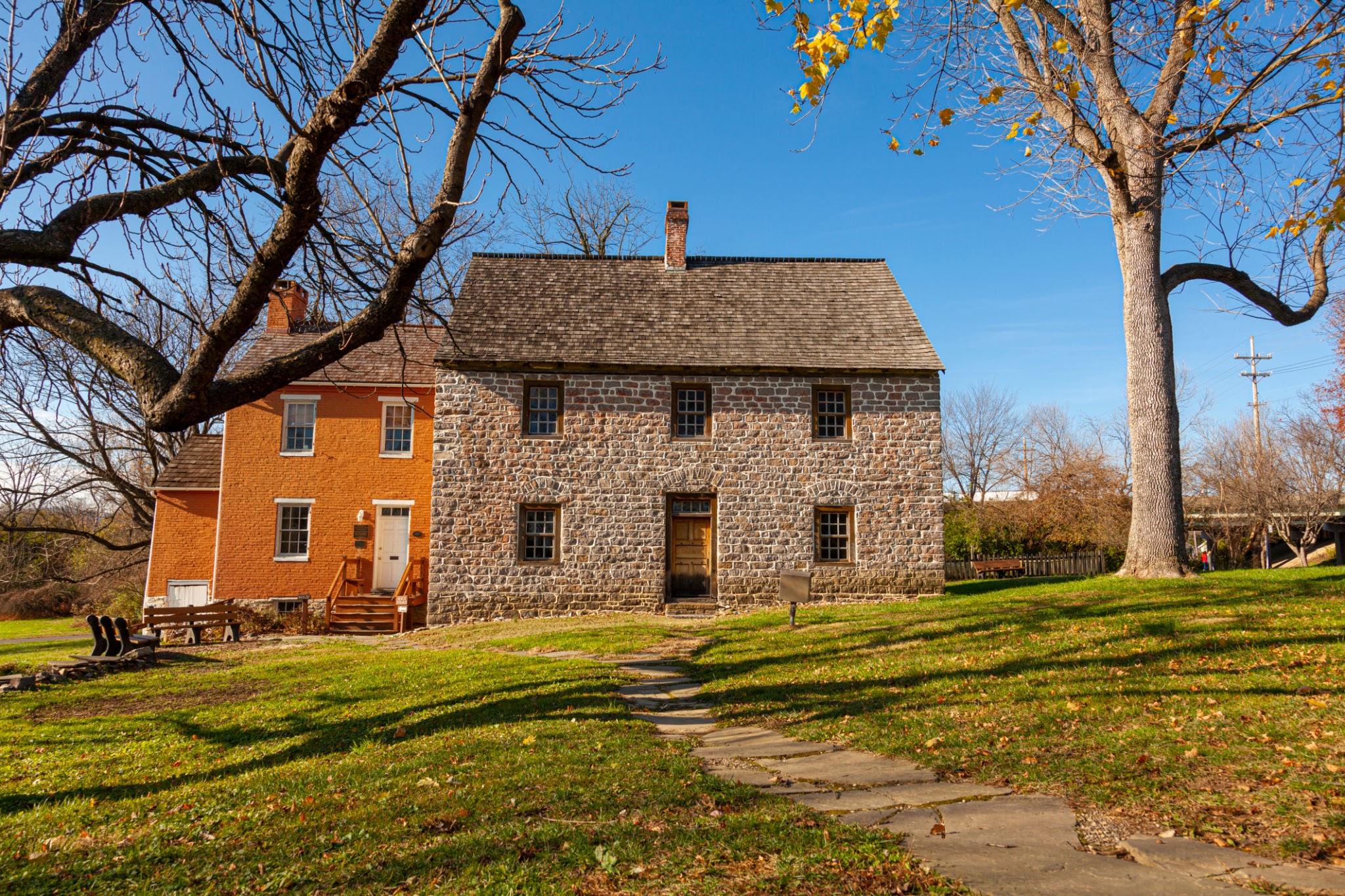
Schifferstadt Architectural Museum in Frederick, MD. Source: Grandbrothers / Getty Images
From the 18th-century stone farmhouses nestled in Frederick County to the grand Victorian row homes lining Baltimore City, Maryland’s architectural history is a key part of its local character. Living in a historic property offers an unmatched sense of place—a tangible connection to centuries of stories, craft, and culture.
However, preserving history isn’t as simple as picking out paint colors at your local hardware store. When a home falls under local or state historic preservation protections, it comes with a distinct set of legal guidelines, financial benefits, and operational challenges. Before falling in love with a piece of Maryland history, here is what prospective buyers and current homeowners need to know about the advantages and trade-offs.
1. The Financial Landscape: Tax Credits vs. Restoration Costs
The most appealing aspect of owning a designated historic property in the Free State is the financial backing designed to make preservation viable. However, those incentives exist precisely because restoration work can carry steep costs.
The Upside: Generous Tax Relief
- Maryland State Tax Credits: The Maryland Historical Trust (MHT) oversees the Heritage Structure Rehabilitation Tax Credit, which grants homeowners a 20% state income tax credit for qualified rehabilitation expenses (QREs). Because it operates as a direct tax credit rather than a tax deduction, it offers dollar-for-dollar relief against your Maryland state income tax liability.
- Local Property Tax Incentives: Jurisdictions across the state—including Annapolis, Montgomery County, and Baltimore City—offer additional property tax credits. Baltimore’s CHAP tax credit, for instance, freezes or offsets property tax increases for up to 10 years following major, approved structural improvements.
- Stable Market Value: Historic district protections protect neighborhoods from incompatible modern developments, helping maintain long-term property values and steady demand.
The Downside: Material Sourcing & Specialized Labor
- Strict Material Requirements: You generally cannot replace rotting exterior elements with vinyl siding, composite decking, or standard double-hung vinyl windows. Historic boards typically require period-appropriate materials—such as custom-milled wood windows, original slate or cedar shingle roofing, and traditional lime mortar. Sourcing these authentic materials adds both time and cost to any renovation budget.
- The Craftsman Shortage: Standard framing contractors often lack experience with timber framing, historical masonry pointing, or vintage window restoration. Finding qualified, specialized preservation artisans across Maryland can lead to long waitlists and higher labor costs.
2. Regulatory Oversight: Permits, Grounds, and “Viewsheds”
Historic protections extend far beyond the front door. Review boards are tasked with preserving the complete historic narrative of a site, which often encompasses surrounding structures and the broader environment.
The Upside: Community Integrity & Landscape Protection
- Neighborhood Cohesion: Historic district designation guarantees that a neighbor cannot construct an out-of-scale additions, alter historical streetscapes, or tear down architecturally significant structures.
- Preserving Viewsheds and Grounds: On the Eastern Shore, in Southern Maryland, and through Western Maryland’s agricultural regions, historic designations often protect mature trees, traditional agricultural boundaries, and open “viewsheds.” This prevents modern commercial encroachment from breaking up historically significant rural vistas.
The Downside: Approval Delays & Broad Oversight
- Mandatory Pre-Approval: Any exterior changes visible from public rights-of-way must be reviewed and approved by a local Historic Preservation Commission (HPC) or the MHT before work begins. Acquiring a Historic Area Work Permit (HAWP) requires formal applications, public hearings, and precise technical documentation.
- Broad Scope of Control: Regulatory oversight isn’t limited to the main house. Commissions frequently regulate:
- Outbuildings: Barns, detached garages, sheds, and historic stone walls.
- Hardscaping: Patios, walkways, driveways, fences, and mature tree removal.
- Modern Additions: Solar panel placement, skylights, exterior lighting fixtures, and satellite dish locations.
At a Glance: Pros vs. Cons
| Feature | The Advantage | The Challenge |
| Finances | 20% state income tax credit + local property tax relief. | Premium costs for authentic materials and specialized labor. |
| Community | Protected character and neighborhood value stability. | Regulatory oversight for paint colors, windows, and additions. |
| Property & Grounds | Protection for historic landscapes, trees, and vistas. | Permitting required for fences, driveways, solar panels, and sheds. |
| Process | Clear design standards that safeguard local heritage. | Multistep permit reviews (HPC/MHT) and prospective project delays. |
The Golden Rule for Maryland Historic Homeowners
If you take only one lesson away from Maryland’s preservation guidelines, let it be this: never start work before getting written approval.
Starting work without prior authorization disallows you from receiving state or local tax credits and can lead to fines or mandated reversal of unapproved work.
Historic preservation is a commitment to stewarding a piece of living history. While navigating permits and sourcing traditional materials requires extra patience and planning, the combination of tax incentives, protected community character, and architectural beauty makes it a highly rewarding investment.