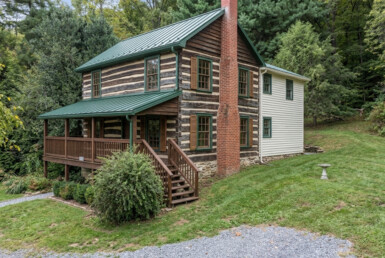
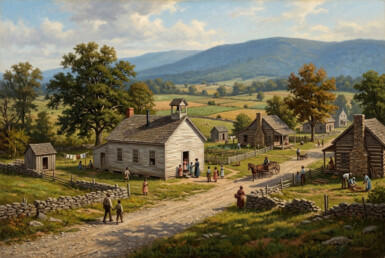
A House Without a Century: The Hidden Cost of the Gutted Historic Interior
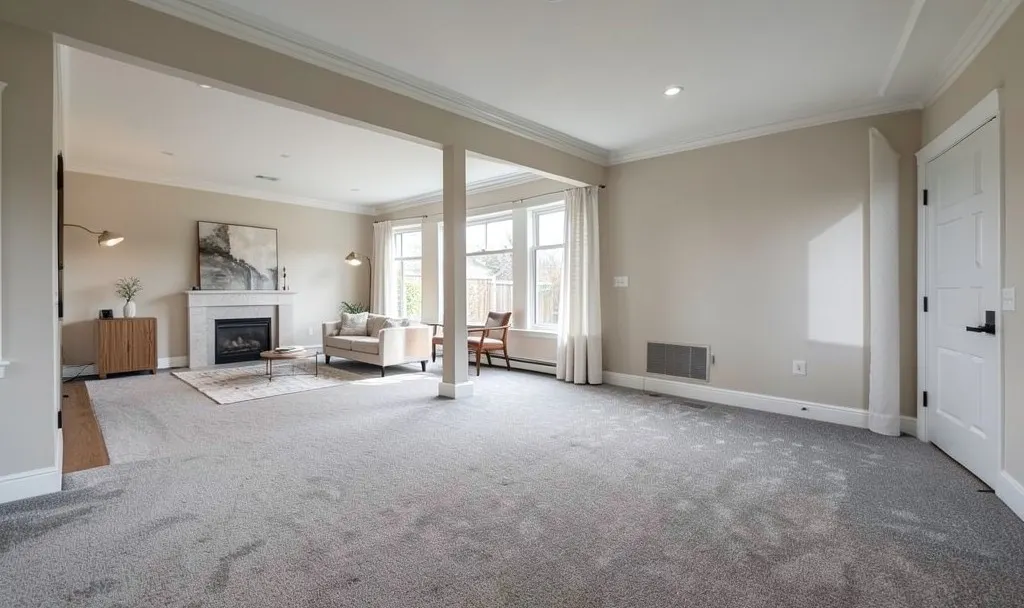
The phenomenon is often called a “facadectomy” or “remuddling”—where a building’s shell is preserved like a museum prop while its soul, craftsmanship, and spatial flow are gutted.

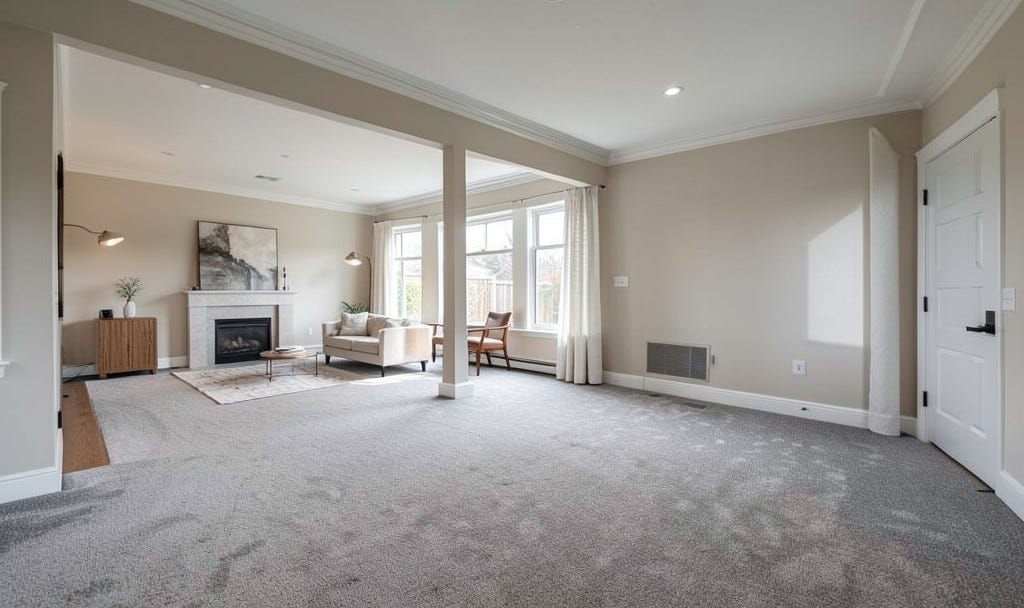
That visceral sense of wrongness when stepping across the threshold isn’t just nostalgia; it stems from fundamental principles of architectural integrity, material authenticity, and buyer psychology.
1. Architectural Dissonance (The Broken Promise)
A historic façade sets a distinct spatial and narrative expectation. When a visitor approaches a 19th-century Federal, Victorian, or Greek Revival home, their brain prepares for a specific vernacular: proportioned rooms, heavy moldings, plaster texture, period floorboards, and framed views through divided-lite windows.
When opening the door reveals a sterile, open-concept floor plan with drywall, recessed LED cans, and grey luxury vinyl planking, it creates cognitive dissonance. The exterior promises history, craft, and patina; the interior delivers a suburban townhouse built yesterday. The house becomes a costume rather than a cohesive structure.
2. Loss of Material Integrity & Craftsmanship
In an 1800s house, value resides heavily in materials that literally cannot be replicated today:
- Old-growth timber: Heart pine, dense oak, or chestnut framing and floorboards grown over centuries, offering stability and grain depth impossible to buy off the shelf.
- Artisanal masonry & plaster: Hand-carved trim, plaster medallions, hand-poured wavy glass, and millwork created by master tradespeople.
Stripping these elements to bare studs erases irreproducible capital. Replacing original heart-pine floors with engineered hardwood or ripped-out plaster walls with flat drywall turns a handcrafted artifact into a mass-manufactured box.
3. Alienating the Primary Buyer Pool
The market value of a niche asset depends on the buyer willing to pay a premium for its specific character.
- The Historic Home Purist: Buyers looking for 1800s properties specifically want character, original trim, original floors, and historical context. A modern gut-rehab immediately disqualifies the property for this demographic.
- The Modern/Turnkey Buyer: Buyers who prefer modern open layouts and contemporary finishes usually want modern infrastructure—high ceilings, attached garages, energy efficiency, clean foundation lines, and lower maintenance. A 19th-century exterior often brings perceived maintenance headaches (old siding, slate roofs, stone foundations) without offering the interior character to offset them.
By gutting the interior, the owner creates a hybrid that pleases neither demographic: too modern for the preservationist, too old and high-maintenance for the modern buyer.
4. Destruction of Spatial Narrative
Architecture in the 1800s was built around distinct human scales and natural light management. Rooms were designed with deliberate sequence, hearth placement, formal versus informal spaces, and controlled cross-ventilation.
Tearing out interior walls to force an “open-concept” layout often creates awkward structural remedies (such as dropped drywall soffits hiding necessary steel I-beams) and unnatural light patterns that clash with the original window placement. The home loses its rhythm, proportion, and acoustic warmth.
Preservation vs. Modernization
True historic value increases when a home undergoes sensitive rehabilitation rather than an erasure:
- Preserved: Original trim, doors, mantels, floors, staircases, and plaster profiles.
- Upgraded: Hidden systems (plumbing, 200-amp electrical, HVAC, insulation) seamlessly integrated behind historic surfaces.
- Adapted: Kitchens and bathrooms updated with high-end, period-sensitive materials (marble, custom cabinetry with traditional profiles, unlacquered brass) that bridge the centuries rather than deny them.
When a renovation erases all interior traces of its era, it creates exactly what is noted: a structure without a century. It severed its lineage to the 1800s without genuinely belonging to the 2000s.