Echoes of the 18th Century in Calvert County Maryland
Echoes of the 18th Century: Exploring Colonial Architecture and “Small Reward” in Calvert County, Maryland
Nestled between the tranquil waters of the Chesapeake Bay and the Patuxent River, Calvert County, Maryland, holds a unique place in Early American history. Formed in 1654, it is one of the oldest counties in the United States, serving as a vital agricultural hub, strategic waterway network, and socio-political stronghold during the colonial era.
For lovers of historic architecture, Calvert County is a treasure trove of early-American craftsmanship. While time and modern development have claimed many colonial structures across the mid-Atlantic, Calvert County still preserves a remarkably dense concentration of 18th-century homes that offer a tangible connection to Maryland’s early days.
Calvert County’s Colonial Roots & 18th-Century Architecture
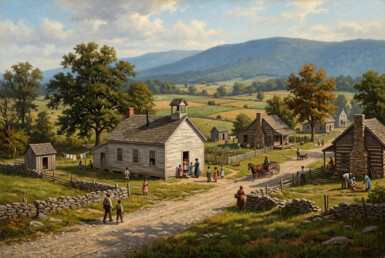
During the 1700s, Calvert County thrived primarily as a tobacco economy. Deepwater ports along the Patuxent enabled planters to trade directly with European markets. The wealth generated during this period transformed the landscape from crude 17th-century earth-fast structures into permanent, beautifully constructed homes built with native materials like tidewater cypress, brick, and first-growth timber.
Surviving 18th-Century Homes in Calvert County
The Maryland Historical Trust (MHT) documents dozens of surviving 18th-century structures across Calvert County—ranging from modest post-and-beam farmhouses to grand tidewater estates like the Grahame House (c. 1754) in Lower Marlboro.
Architecturally, 18th-century homes in this region reflect distinct structural trends:
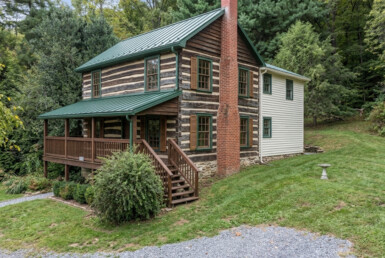
- Early to Mid-18th Century (1700–1750): Heavy timber post-and-beam framing, steeply pitched gable roofs, massive end chimneys, and wide-plank floorboards.
- Late 18th Century (1750–1800): Symmetrical Georgian and early Federal influences, brick construction with Flemish bond patterns, formal central halls, and intricate interior woodwork.
Because early wooden structures were vulnerable to fire and damp coastal climates, surviving homes built prior to 1750 are exceedingly rare. That is precisely what makes early properties like Small Reward so significant.

Spotlight on History: “Small Reward” (c. 1726)
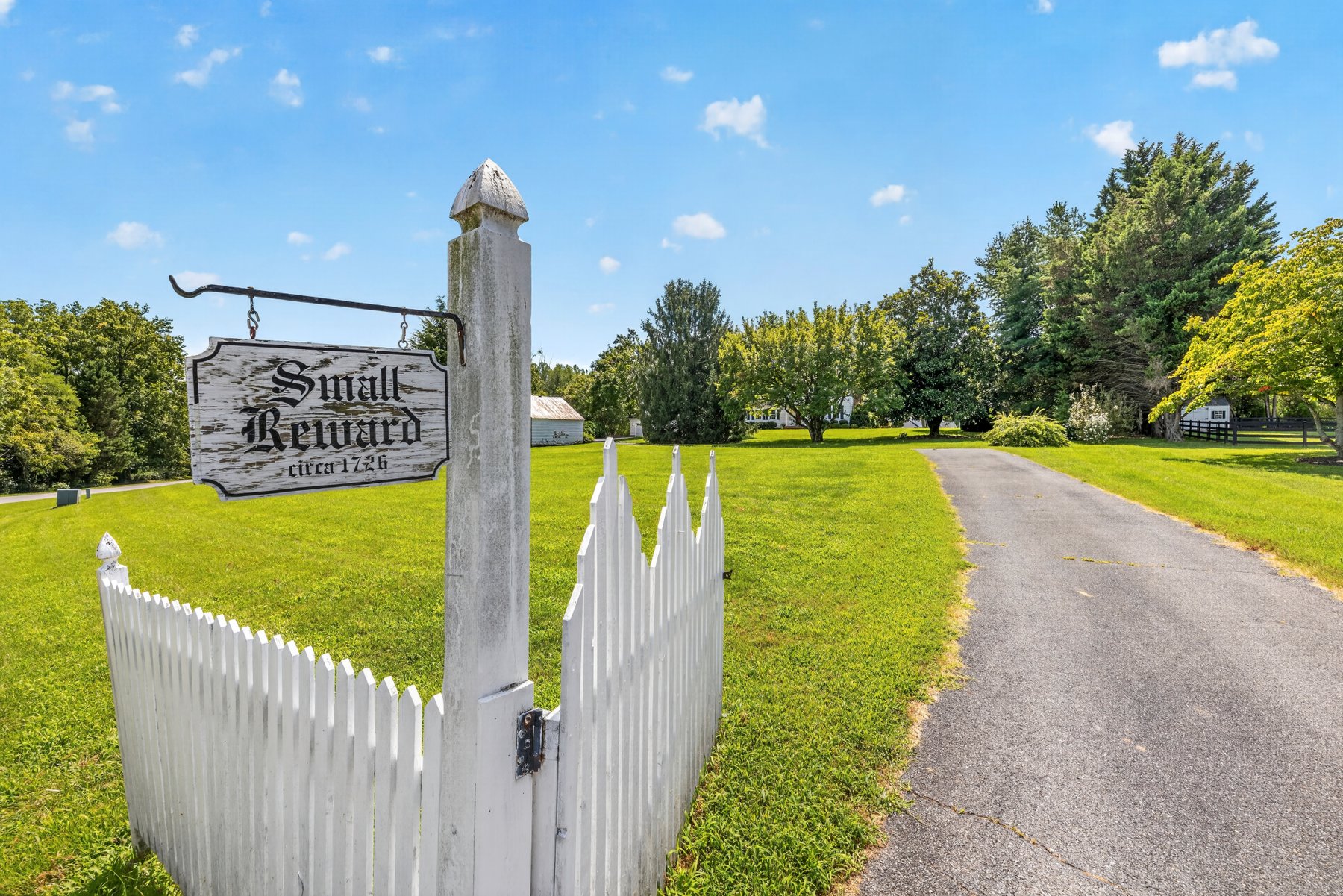
Currently featured on our website, Small Reward (MHT Record CT-225) stands as one of Calvert County’s most remarkable surviving architectural gems.
A Heritage Rooted in 1688
The story of Small Reward begins well before its timbers were raised. The property traces its provenance back to an original 1688 land grant from Lord Baltimore to Captain Richard Smith, Maryland’s first Attorney General. The unique name “Small Reward” carries folklore of its own, stemming from a reduced bounty awarded to early settlers following a perilous transatlantic voyage.
Architectural Significance & Modern Preservation
Constructed around 1726 by George Lawrence, the original dwelling began as a classic post-and-beam farmhouse. In the 1850s, the estate evolved with the addition of a formal Federal-style wing, creating a seamless blend of 18th-century utility and 19th-century elegance.
Inside, Small Reward retains extraordinary period craftsmanship rarely seen in modern homes:
- First-Growth Chestnut Floorboards: The original 1720s wing features rare first-growth chestnut floorboards measuring up to 17 inches wide, paired with heart-of-pine flooring in the 1850s wing.
- Rare Trim & Hardware: Built with cypress covering boards, ancient wooden rim locks, hand-carved fireplace mantels, and period trim throughout.
- Historic Outbuildings: Set on 2.44 private acres, the grounds still honor its agricultural roots with a vintage smokehouse and tobacco barn alongside modern amenities.
Why Historic Preservation Matters Today
Homes like Small Reward are more than real estate—they are living history museums. Owning a historic home in Calvert County offers a rare stewardship opportunity: preserving early-American architectural details while enjoying modern comforts in a picturesque setting.
Whether you are looking to purchase a piece of Maryland history or interested in learning more about preserving historic properties, the Historic Home Team is dedicated to connecting buyers with these irreplaceable historic sanctuaries.