Repair vs. Replace: Why Preserving Original Wood Windows Beats Vinyl Every Time
Repair vs. Replace: Why Preserving Original Wood Windows Beats Vinyl Every Time
If you own or are shopping for a historic home, you’ve almost certainly seen the glossy flyers in your mailbox: “Upgrade to maintenance-free vinyl windows! Cut your energy bills by 40%!” It sounds like a no-brainer. After all, old wood windows can be drafty, sticky, and coated in decades of chipped paint.
Before you call a replacement company and hand over a massive deposit, take a deep breath and put down the phone.
Replacing original historic wood windows with modern vinyl alternatives is often a $20,000 mistake. While window sales reps excel at pitching short-term convenience, the reality is stark: replacing your original windows ruins your home’s architectural integrity, lowers its resale value, and rarely saves you money on energy bills.
Here is the truth about historic wood windows—and why preserving them is the smartest investment you can make in your historic property.
1. Old-Growth Wood vs. Disposable Plastics
To understand why old windows are superior, you have to look at the wood itself.
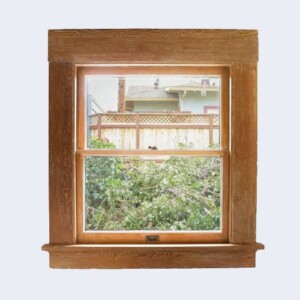
Homes built before 1950 were constructed using old-growth timber. These trees grew slowly over hundreds of years, producing wood with exceptionally dense, tight grain structures. Old-growth wood is naturally rot-resistant, incredibly durable, and built to last centuries.
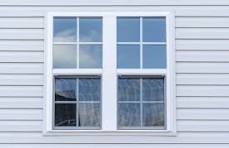
Contrast that with vinyl (PVC). Vinyl expands and contracts dramatically with seasonal temperature swings. Over time, this movement breaks the seals on double-paned insulated glass units (IGUs), leading to that familiar foggy condensation trapped between the panes. Once a vinyl window warps, cracks, or loses its seal, it cannot be repaired. The entire unit must be torn out and replaced.
A historic wooden window, on the other hand, is a collection of simple, beautifully crafted parts. If a piece of wood rots, it can be patched with epoxy or spliced with new timber. If a pane breaks, a glass cutter can drop in a new single pane for a few dollars. A wooden sash can be stripped, re-glazed, and repainted indefinitely.
Simply put: historic windows were built to be restored; modern windows were built to be landfilled.
2. The Energy Efficiency Myth: Marketing vs. Reality
The primary selling point for replacement windows is energy savings, but the math rarely adds up.
First, let’s talk about physics: 80% to 90% of heat loss through a window happens because of air infiltration (drafts around the frame), not heat transfer through the glass pane.
When you install high-quality weatherstripping (such as spring bronze) and pair an original single-pane wood window with a proper storm window, its thermal performance rivals that of a brand-new double-pane vinyl replacement.
Now, look at the financial return on investment (ROI):
-
Cost of Vinyl Replacement: Replacing all the windows in a typical historic home costs between $15,000 and $35,000+.
-
Real Energy Savings: Studies by the National Trust for Historic Preservation show that replacing windows saves a modest amount on annual heating and cooling bills—often only $100 to $200 per year.
-
The Payback Period: It can take 40 to 100+ years to recoup your initial investment through energy savings alone.
Considering the average vinyl window fails within 15 to 20 years, you will have to replace your “replacement” windows twice over before they ever pay for themselves.
3. Impact on Home Value and Architectural Character
As real estate professionals specializing in historic homes, we see buyers turn away from properties every day because the original windows were ripped out. Historic home buyers pay a premium for authenticity, character, and craftsmanship.
Vinyl windows destroy shadow lines, alter window proportions, and replace the warm, wavy texture of historic cylinder glass with flat, reflective plastic.
Furthermore, if your property is located within a local historic district, replacing wood windows with synthetic materials often violates local preservation guidelines. Historic District Commissions (HDCs) can halt work, issue heavy fines, or mandate that you remove non-compliant vinyl windows at your own expense.
When it comes time to sell, keeping your original wood windows preserves the historic fabric that gives your property its unique story and market value.
4. The Truly “Green” Choice
Replacement window manufacturers love to brand themselves as eco-friendly, but true sustainability means reusing what already exists.
When you tear out original windows, you are sending centuries-old, irreplaceable timber directly to a landfill, while simultaneously fueling the manufacturing of PVC—a process that releases toxic chemicals into the environment.
Restoring existing windows utilizes the embodied energy already locked inside your house. It keeps local craftspeople employed, produces zero industrial waste, and honors the natural resources used to build your home a century ago.
How to Upgrade Your Historic Windows (Without Replacing Them)
If your windows are cold, drafty, or hard to open, you don’t need a replacement crew—you need a weekend restoration plan:
-
Seal the Drafts: Install spring bronze or modern V-strip weatherstripping along the sash tracks to eliminate air infiltration completely.
-
Add Storm Windows: Exterior wood or low-profile aluminum storm windows create a dead-air space that doubles your insulation power. For an invisible profile, look into interior magnetic storm panels.
-
Re-Glaze and Paint: Scrape away dry glazing putty, apply fresh putty, and ensure the wood is sealed with a fresh coat of quality exterior paint every 10–15 years.
The Bottom Line
Your home’s original windows have stood guard for 80, 100, or even 150 years. With a little maintenance, they will easily last another century. Don’t trade timeless craftsmanship and real equity for plastic promises.
Are you thinking about buying or selling a historic home? Preserving original architectural details is key to maximizing your property’s market value. Contact the Historic Home Team today to learn how we market and value the unique history of your property.