Curating History: The Art of Staging Historic Properties

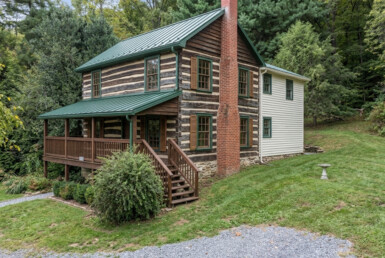
Staging a historic home requires a fundamentally different philosophy than staging modern construction. In a contemporary build, staging often creates character where none exists. In a historic property, character is already the main attraction—the goal is simply to get out of its way.
The secret to staging historic real estate is restraint: less furniture, more details.
Honor the Architecture, Not the Overflow
When prospective buyers tour a historic home, they are looking for original heart pine flooring, hand-mitered millwork, plaster moldings, deep window sills, and fireplaces built two centuries ago. Heavy, oversized furniture or dense room layouts create visual noise that hides these priceless features.
By strategically thinning out furnishings:
-
Sightlines clear: Architectural footprints become immediately obvious.
-
Volume opens up: Ceilings feel higher, windows look grander, and natural light penetrates deeper into the floor plan.
-
Details shine: An original hearth or built-in corner cabinet becomes the focal point of the room rather than an overlooked background element.
Work with Existing Furnishings: The Steward’s Story
Historic homes are rarely blank canvases—they are living archives shaped by the people who care for them. Instead of bringing in generic, modern staging packages that feel sterile or out of place, there is immense value in editing and repurposing the current owners’ collection.
Using a property’s existing furnishings serves a vital narrative purpose:
-
Authenticity: Curated antiques, period-appropriate art, and lived-in textiles reflect a genuine connection to the structure.
-
Insight into Stewardship: The current owners’ selection and arrangement of furniture offer quiet clues on how to comfortably inhabit the space. It shows future buyers how historic rooms adapt to modern daily living without losing their soul.
-
A Sense of Continuity: Buyers aren’t just purchasing square footage; they are stepping into a lineage. Preserving hints of the current steward’s presence bridges the past to the next chapter.
Key Focus Points for Historic Staging
-
Float Furniture Away from Architectural AnchorsKeep original fireplaces, pocket doors, and built-ins completely unobstructed. Pull seating arrangements toward the center of the room or anchor them to maximize wall-to-wall flow.
-
Frame the Millwork and HardwareStrip away heavy drapery that obscures deep-set window casings or original glass panes. Ensure brass rim locks, hand-forged latches, and decorative trim are clean and fully exposed.
-
Highlight the CraftsmanshipA minimal, thoughtfully styled vignette—a single statement piece on an antique mantel, or a simple runner along wide-plank floors—draws the eye directly to the handiwork of early craftsmen.
When staging a historic home, you aren’t decorating a set—you are curating a gallery. By reducing clutter, honoring original details, and letting the current steward’s story subtly shine through, you allow buyers to fall in love with what truly matters: the architecture itself.