The Canvas of Living: Why Historic Homes are Works of Art
As an artist and former art dealer of over 20 years, I tend to view historic homes through the lens of fine art.
Every home that has stood for over a century is less a piece of real estate and more a living, breathing artifact.
Whether it is a modest $200,000 workman’s cottage or a grand $2,000,000 country estate, a 19th-century home functions precisely like a fine painting or a sculpture: it is a physical container for human experience, preserved through craft, intention, and time.
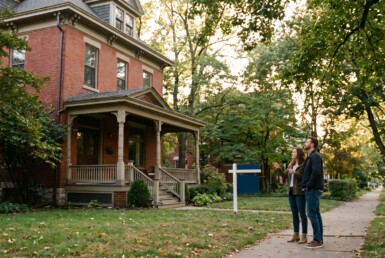
There is a popular tendency in real estate to value historic homes solely through the lens of acreage, square footage, or architectural pedigree. A grand 19th-century estate listing for $2,000,000 receives glossy magazine spreads, while a modest $200,000 cottage from the same era is often framed simply as an entry-level starter home.
Yet, when you strip away scale and market valuation, both structures offer something far rarer than luxury: a shared, conscious human experience across time. Both are works of art.
The Provenance of Daily Life
In the art world, provenance traces the life of a canvas—the hands it passed through, the galleries where it hung, the quiet rooms it inhabited.
A 19th-century home has its own provenance, etched directly into its fabric. Consider what these walls have absorbed over a hundred and fifty years or more:
- Generational Shifts: They have stood firm through seismic cultural transformations, changing economies, and evolving ideals of family and community.
- The Full Spectrum of Emotion: Within their framing, thousands of days played out—quiet morning routines, festive celebrations, profound grief, quiet recoveries, and ordinary, unnoticed moments of joy.
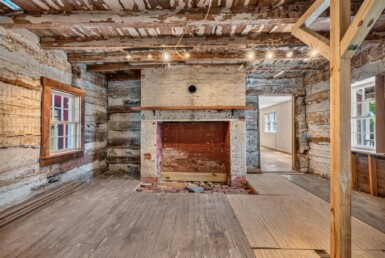
- Physical Imprints: The slight dip worn into a heart pine stair tread, the subtle wave in hand-blown cylinder glass, the smoothed edges of an original brass door latch—these are not defects. They are the brushstrokes of human presence.
The Conscious Experience of Space
Great art does not merely sit on a wall; it alters how you experience being present. Historic homes do the same.
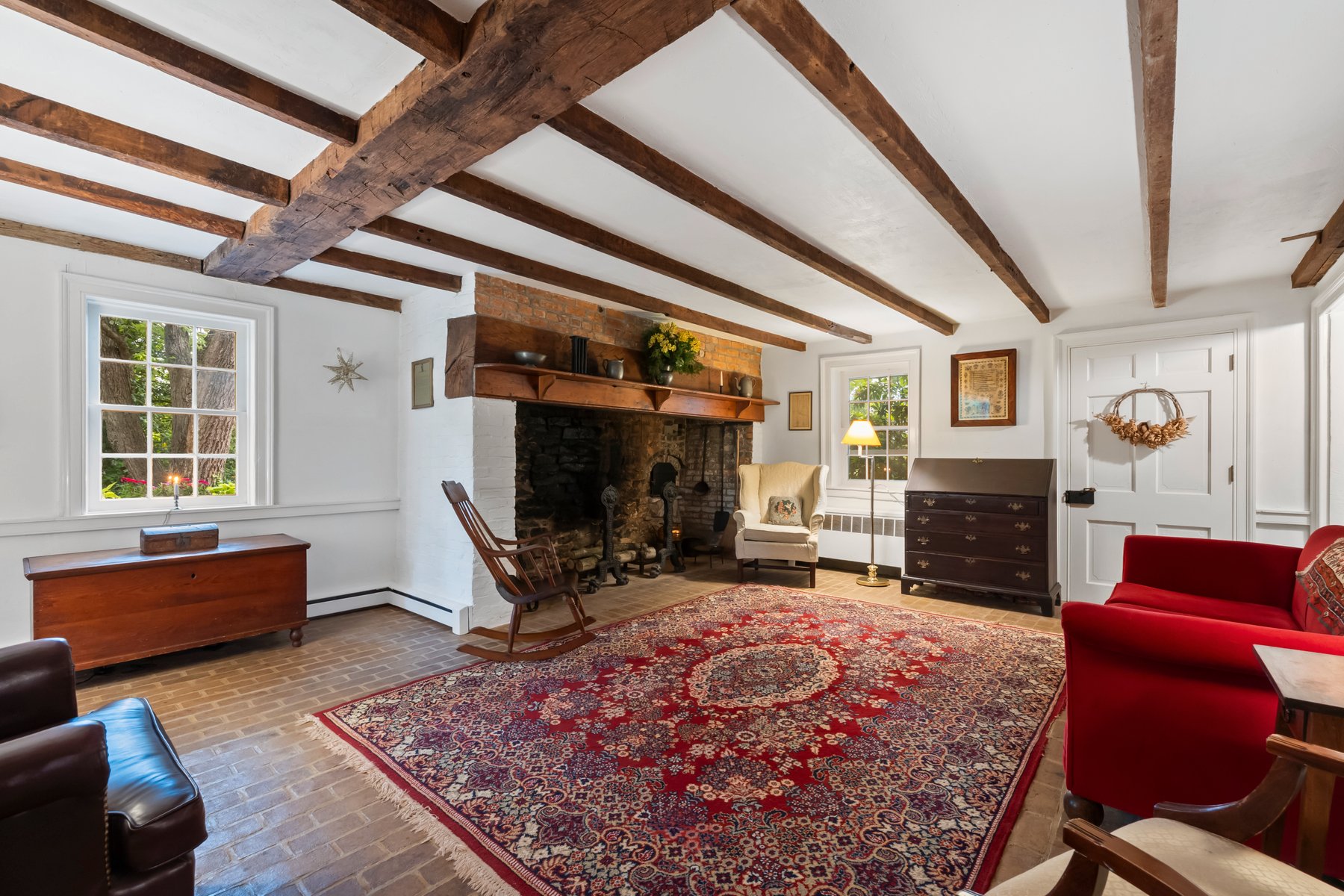
When you step into a 19th-century hall, you are stepping into a deliberate spatial philosophy. The proportion of the ceilings, the placement of windows to maximize natural light before electricity, and the natural materials—timber, brick, stone, plaster—create a sensory environment that modern construction rarely replicates.
Living in a historic home requires an ongoing, conscious dialogue with the past. You don’t simply occupy the space; you steward it. The house responds to the seasons—expanding in the summer humidity, settling in the winter cold—reminding you that it is an organic, breathing entity with a rhythm of its own.
The Value Beyond the Price Tag
Whether a cottage or a manor, both represent the same fundamental truth: they are enduring records of human life. The owner of the $200,000 home and the owner of the $2,000,000 estate walk across floors that have carried the weight of past lives, look through glass that framed a completely different century, and take shelter under timber framed by hand long ago.
To care for a historic home is not just an investment in property. It is an act of preservation, a commitment to live alongside history, and an appreciation for the greatest sculpture ever made: the physical record of human life, written in wood, brick, and stone.