Stewards, Not Speculators: How historic home buyers navigate rising interest rates
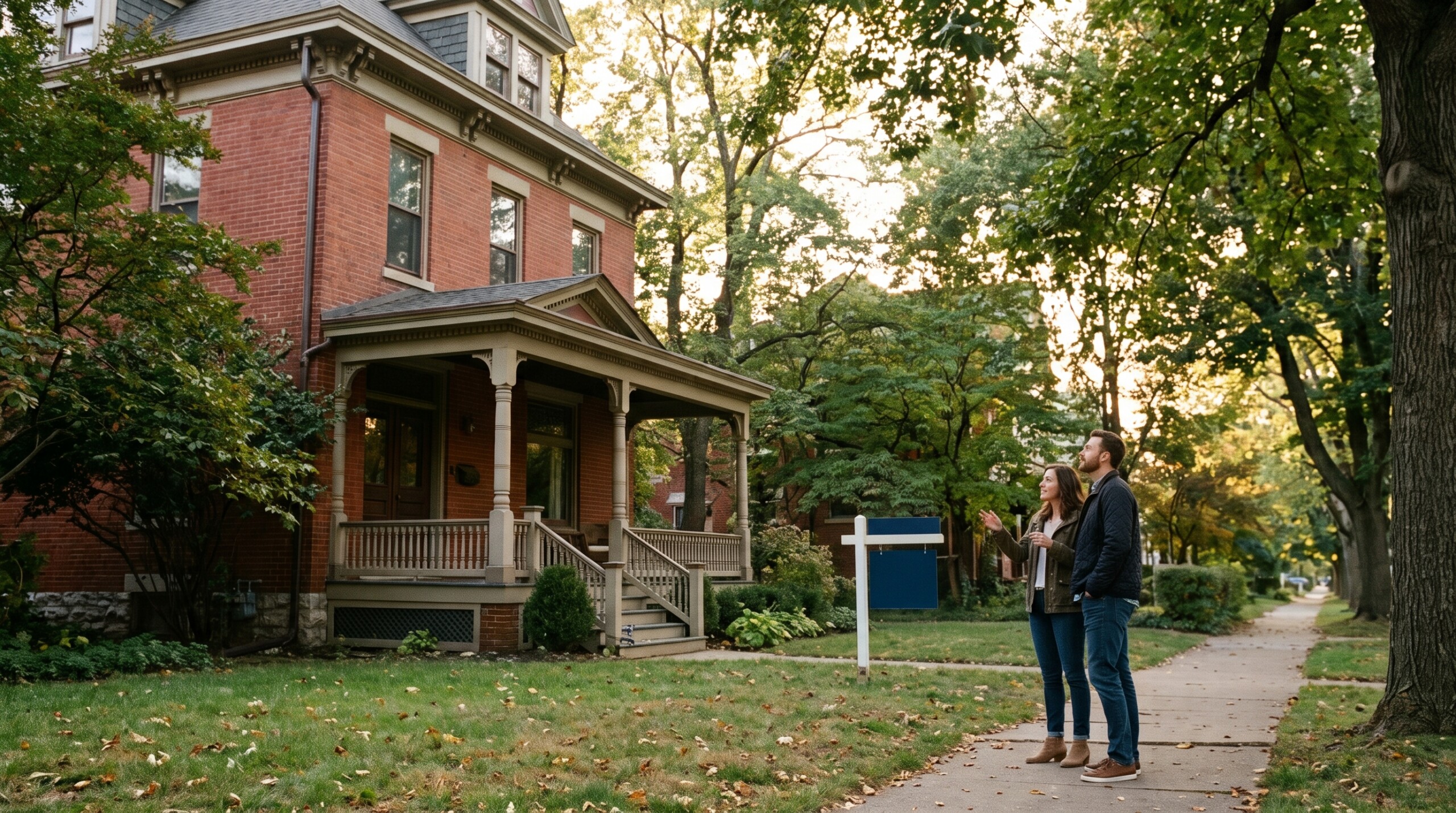
When mortgage rates spike overnight, the residential real estate market generally feels an immediate chill.
Last week, average 30-year fixed mortgage rates jumped to nearly 7.50%—up significantly from 6.30% at this time last year. At the same time, the 10-year Treasury yield climbed past 5.3%, touching its highest level in two decades. For a prospective buyer targeting a $3,000 monthly payment, that swift upward trend slashed over $30,000 in purchasing power in less than 30 days.
In the broader contemporary housing market, the reaction is predictable: inventory begins to tick up as price-sensitive buyers retreat to the sidelines.
Yet, in the specialized world of historic properties, the market dynamic follows a strikingly different cadence.
Why do historic home sales remain remarkably resilient when interest rates surge? It comes down to intent, timeline, and buyer mindset.
The Search Is Emotional and Long-Term
While historic home buyers face the exact same financial math and rate fluctuations as contemporary buyers, their search motivation is fundamentally different. Contemporary buyers often search for functional square footage, modern updates, or a specific school district within a defined suburban layout. If rates rise, they can pause, pivot to renting, or wait out the market cycle.
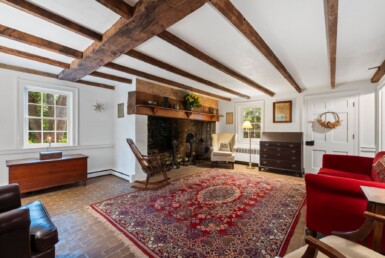
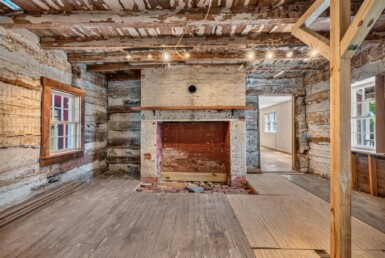
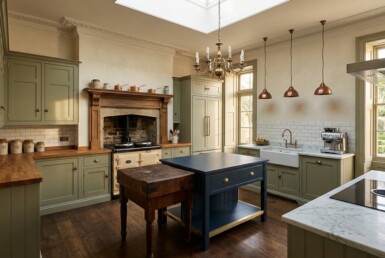
Historic buyers, by contrast, are hunting for something rare. They search for the home that speaks to them—a specific architectural period, intact original craftsmanship, or a unique sense of place. This quest isn’t an impulse decision; it often takes months, sometimes years. While a sudden rate jump might prompt them to temporarily slow their browsing pace, finding “the one” instantly changes the equation. When a rare historic home hits the market, the motivation to realize that long-held dream overrides short-term rate fluctuations.
A Horizon of Stewardship, Not Speculation
The average contemporary homeowner stays in a property for roughly 7 to 10 years before trading up or relocating. Historic home buyers enter the transaction with a far longer vision.
In our experience, buyers of historic homes typically plan to stay for 15 to 20 years, or even longer. They don’t view a house merely as a short-term equity asset or a stepping stone; they view themselves as stewards of a living piece of local history.
When you plan to care for a property for two decades:
- Short-term rate cycles fade in importance. A high interest rate in year one can be refinanced when market cycles inevitably shift downward in year three or five.
- Scarcity trumps timing. You cannot build another 18th-century stone farm home, a Federal-style townhouse, or a 19th-century Victorian. If a unique property is available today, waiting two years for interest rates to drop means risking that the home won’t be on the market again for another quarter-century.
Why Off-Peak Markets Favor Historic Buyers
Because many general buyers retreat during economic shifts, historic home buyers who stay active often encounter less competition for prime historic properties. The market conditions that cause contemporary buyers to hesitate actually create a quieter window for historic home enthusiasts to negotiate terms, secure inspection contingencies, and finalize purchase agreements without intense bidding wars.
Financial markets move in rapid cycles, but historic properties endure across centuries. For buyers driven by a commitment to preservation and a passion for architectural history, the desire for stewardship routinely proves stronger than the prevailing interest rate environment.