


























Beds: 2Baths: 1.5Sq Ft: 1776
Homes
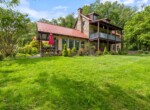
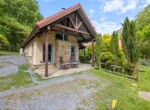
Award-Winning Historic Estate on 26 Private Acres
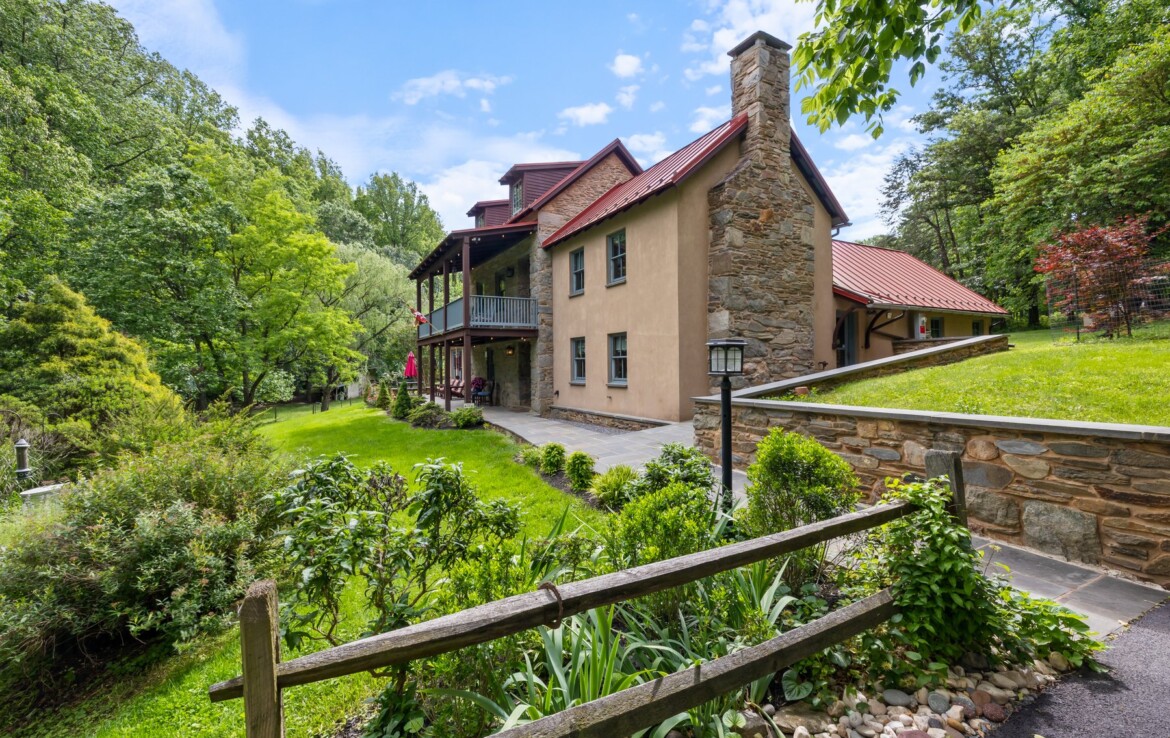
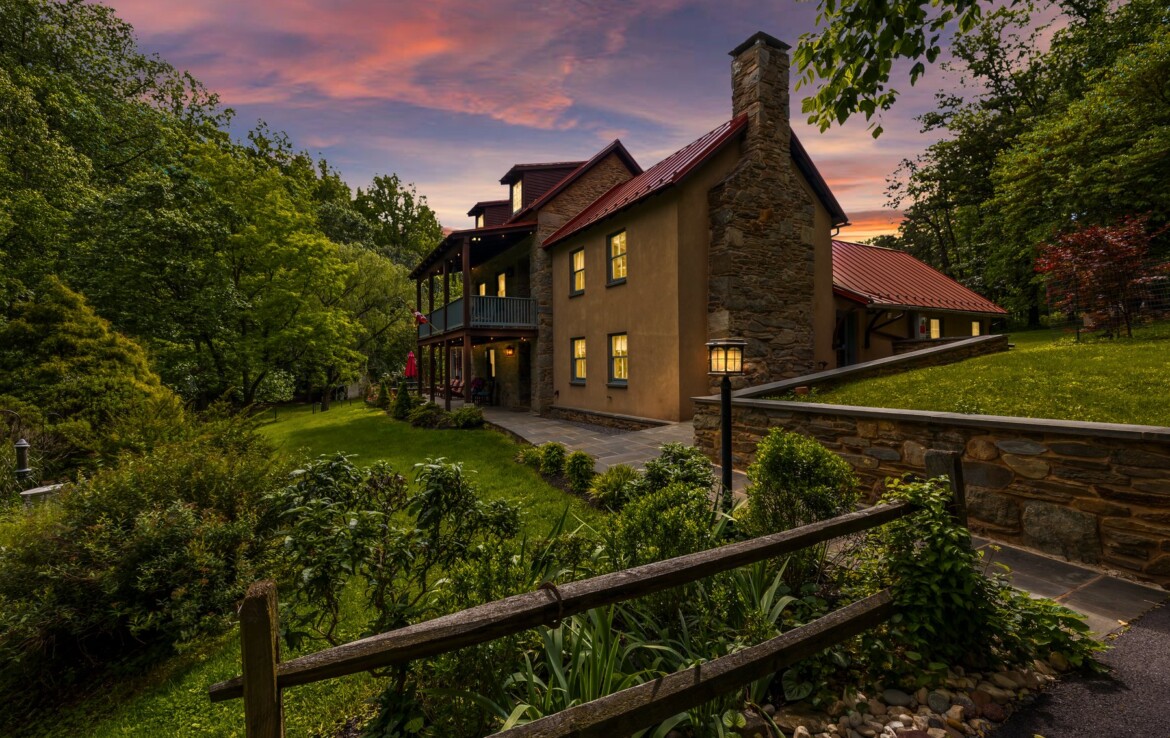
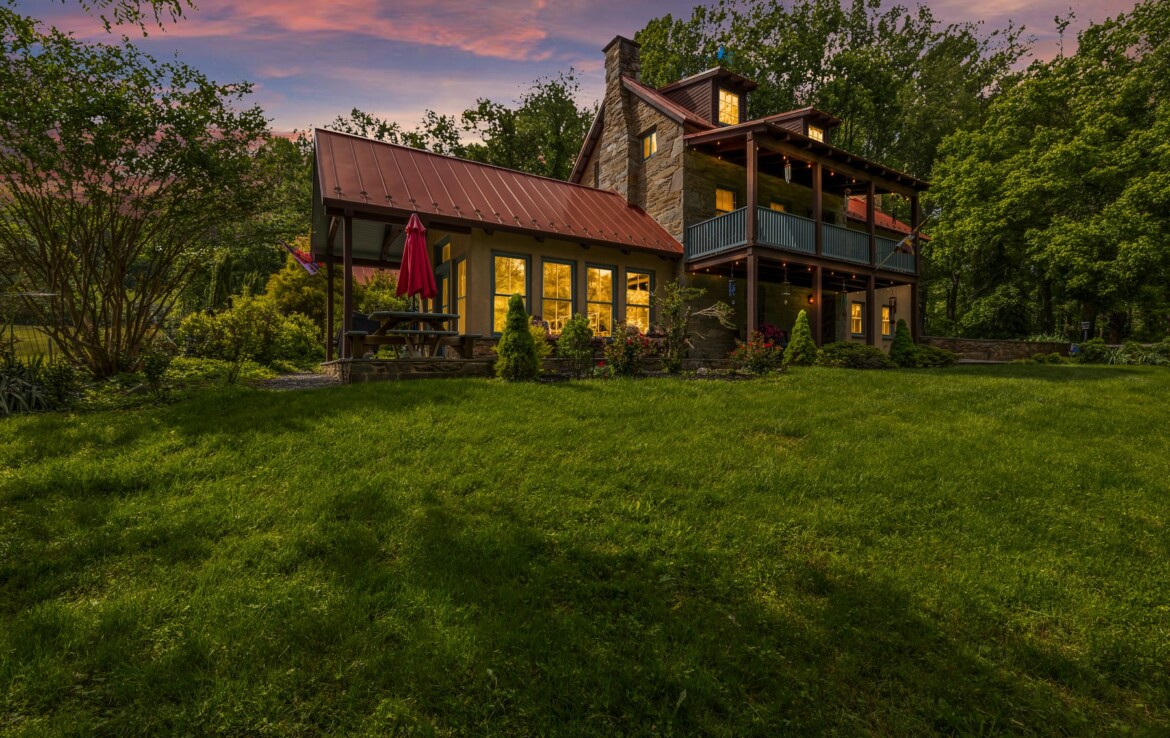
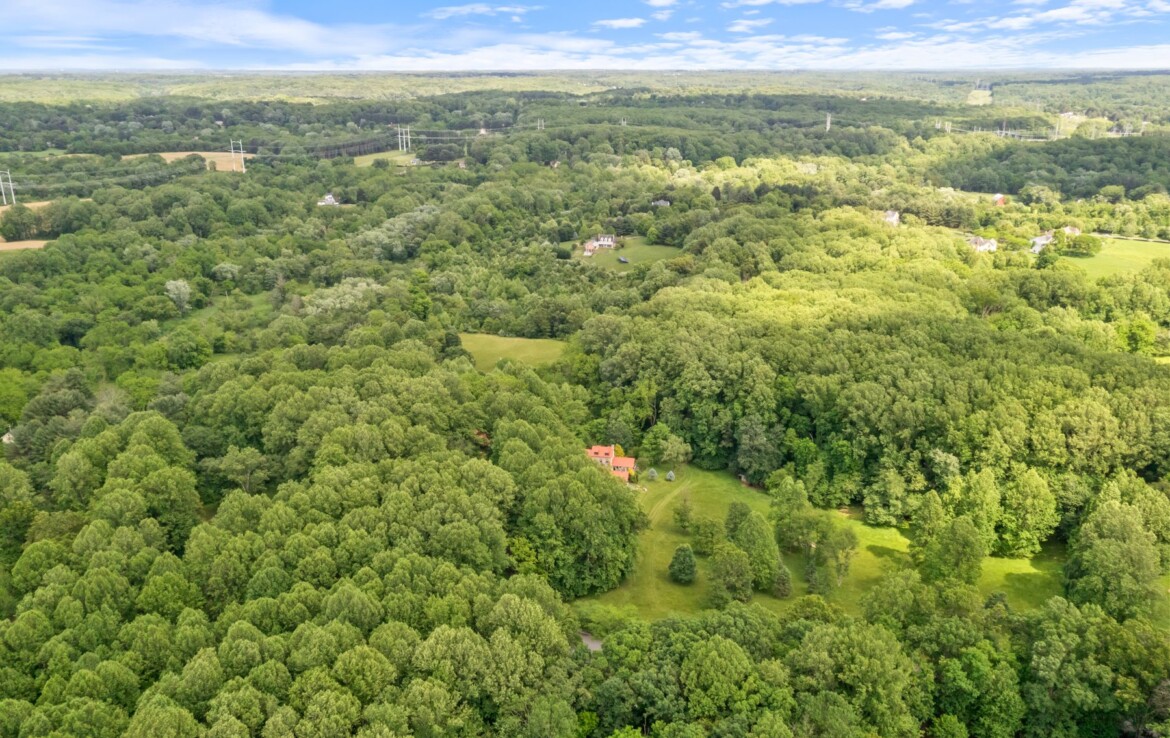
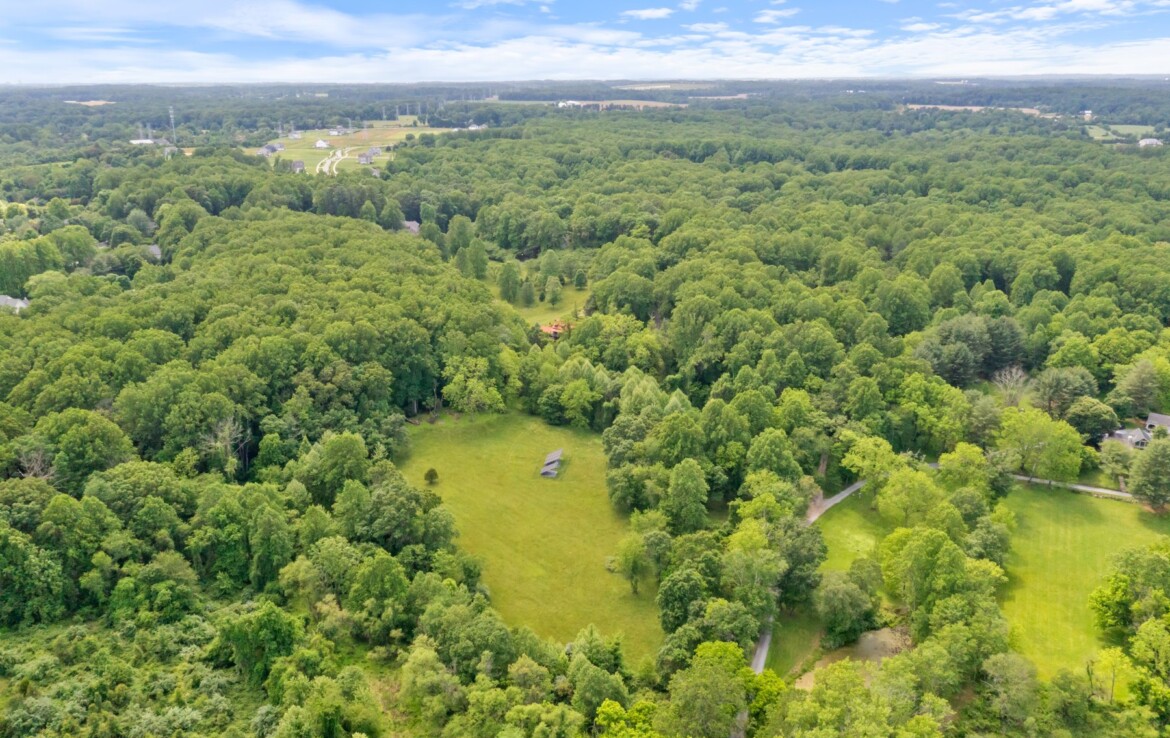
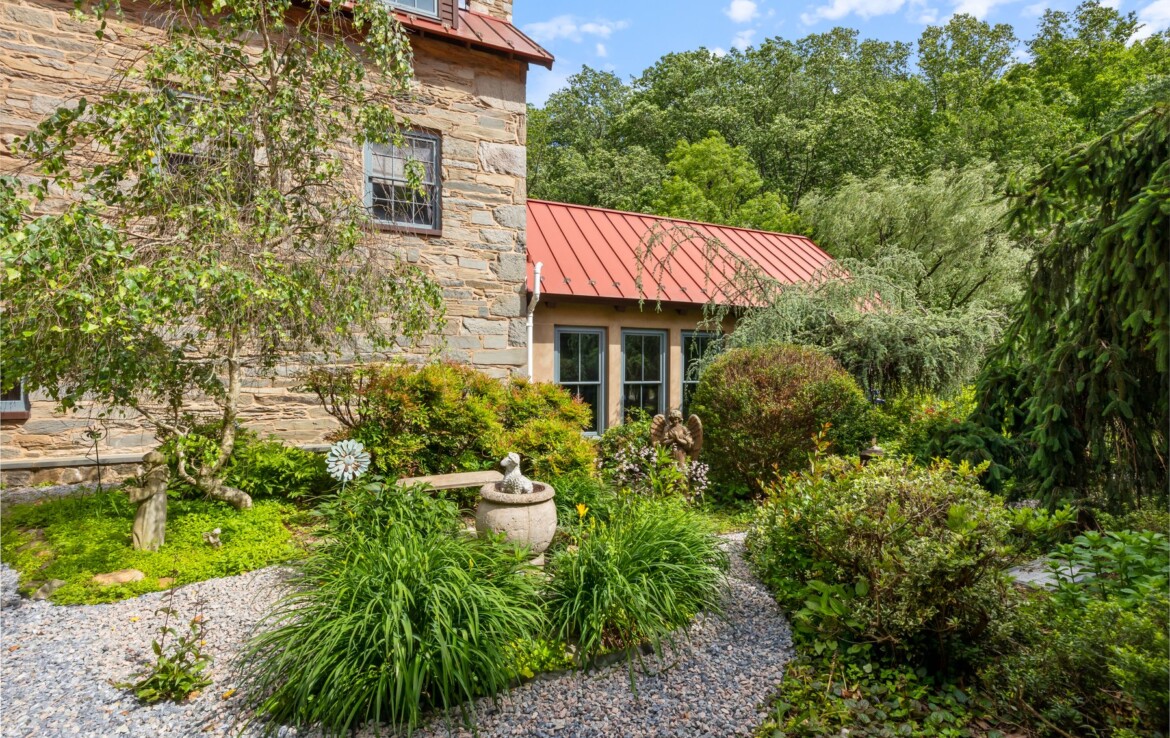
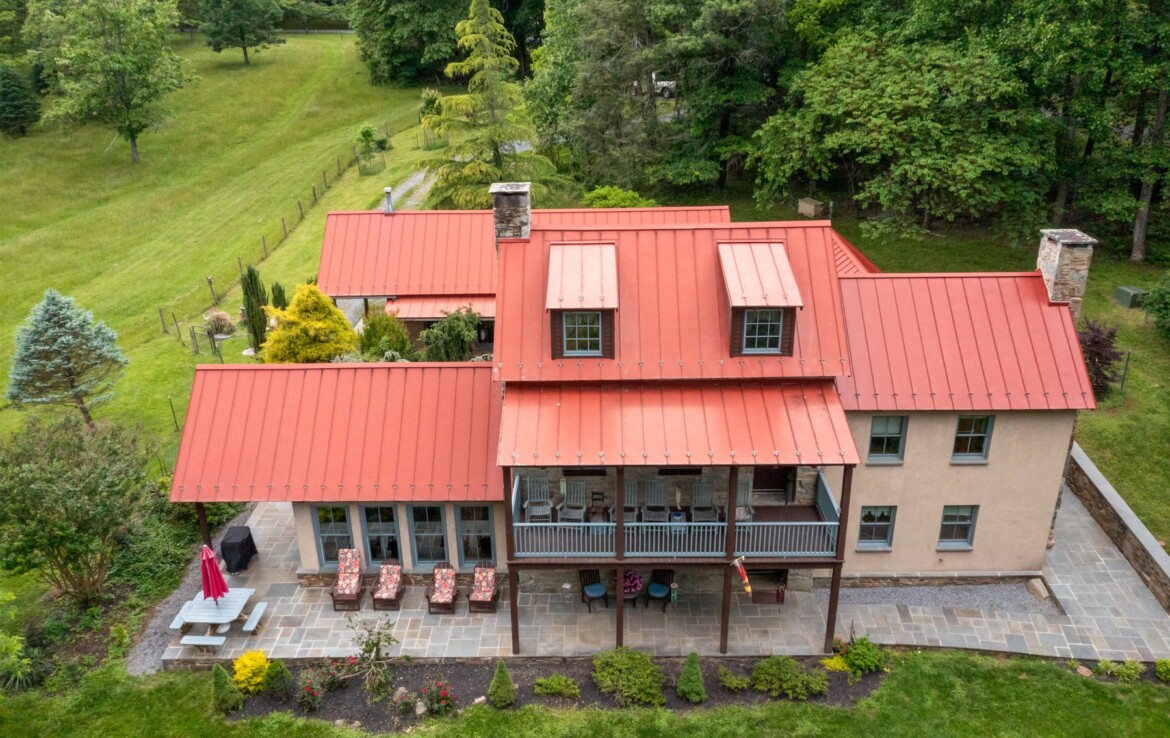
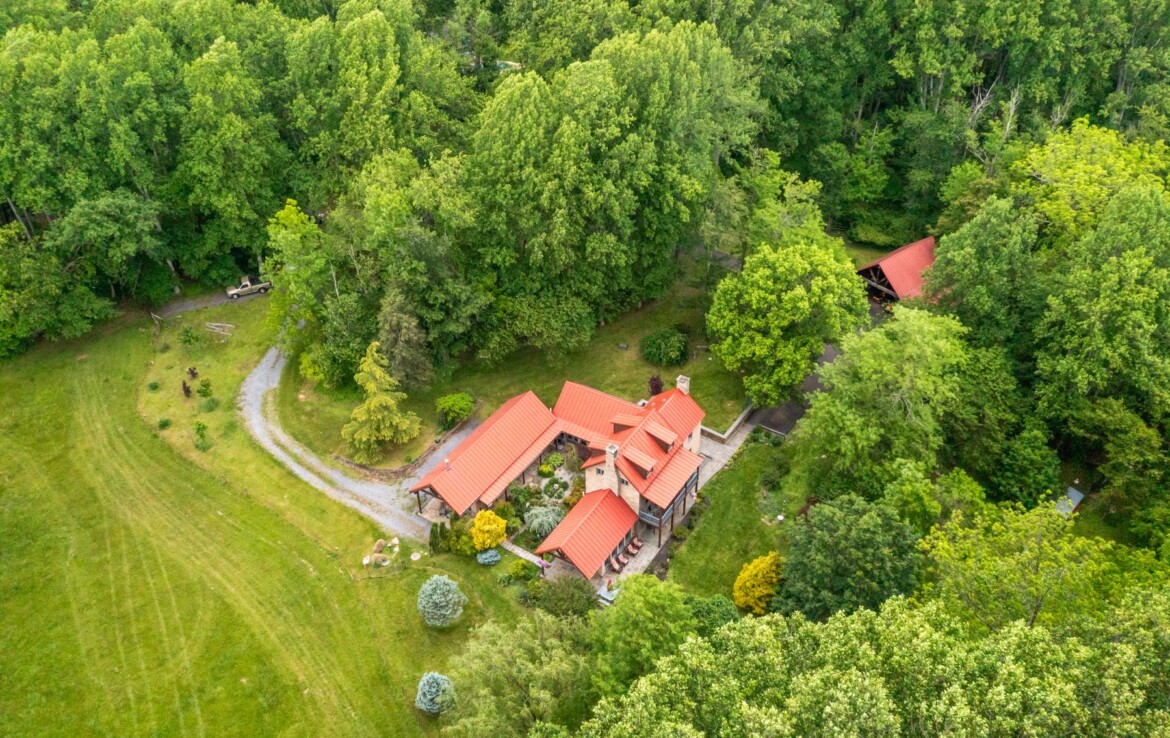
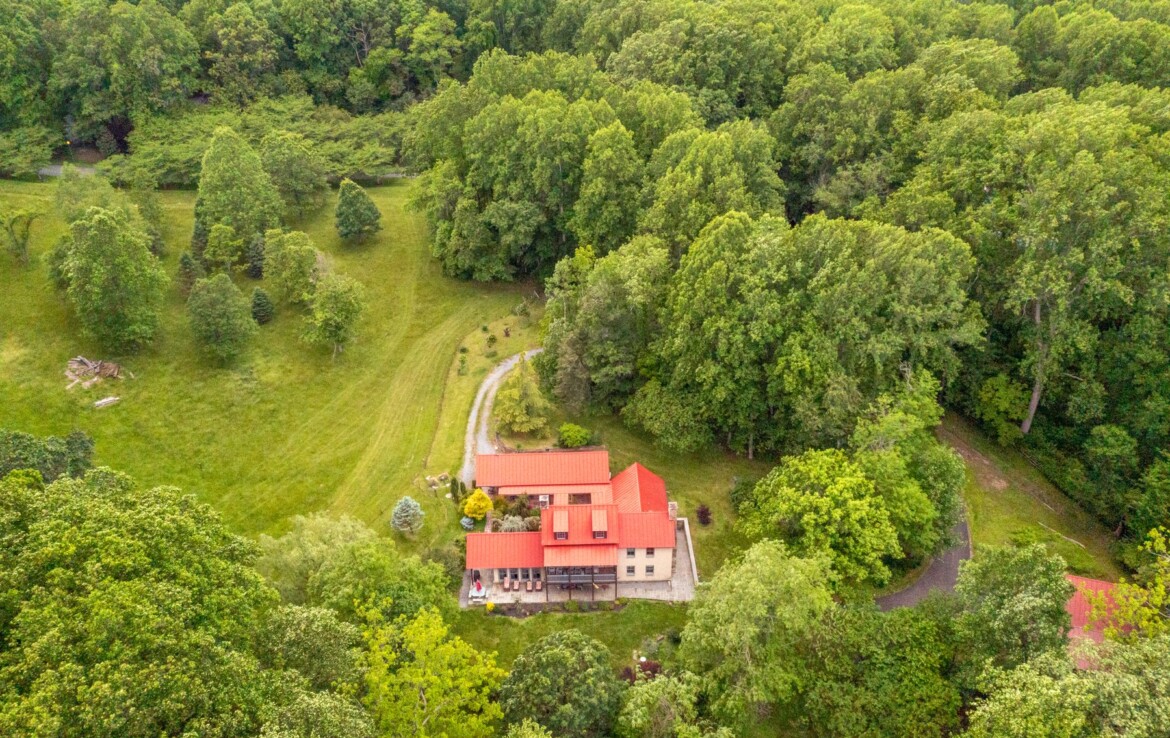
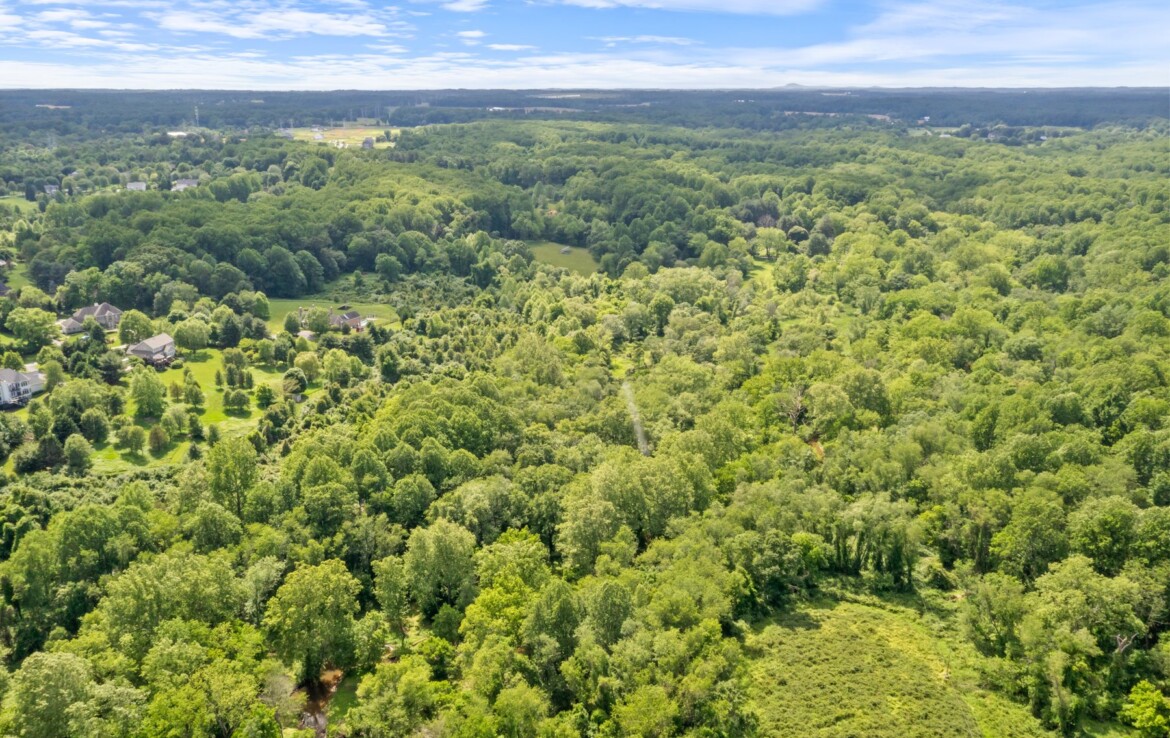
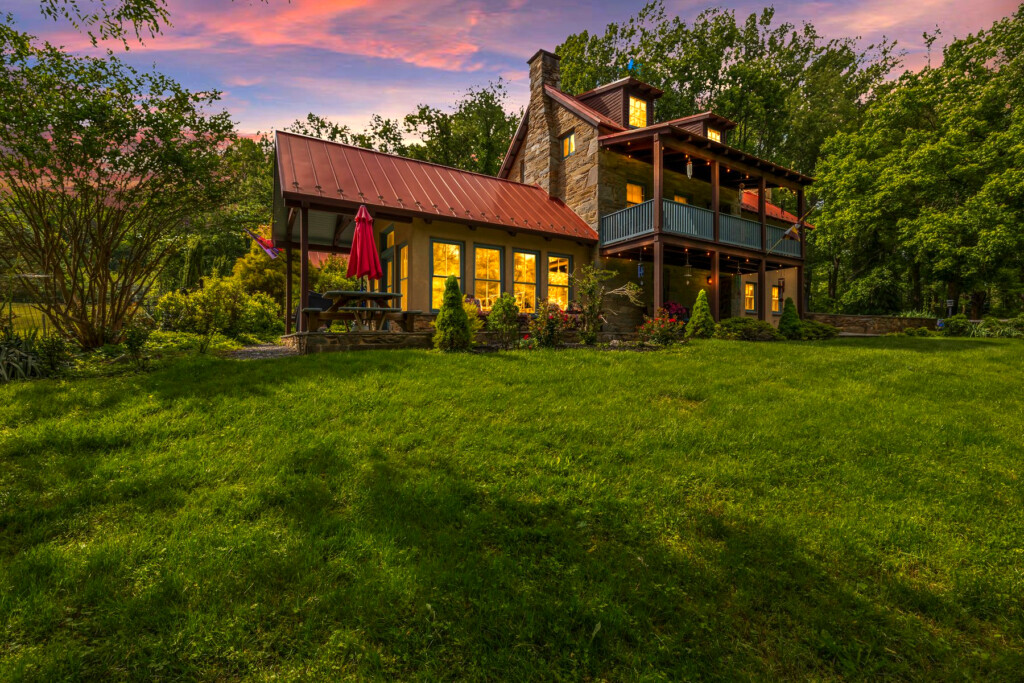
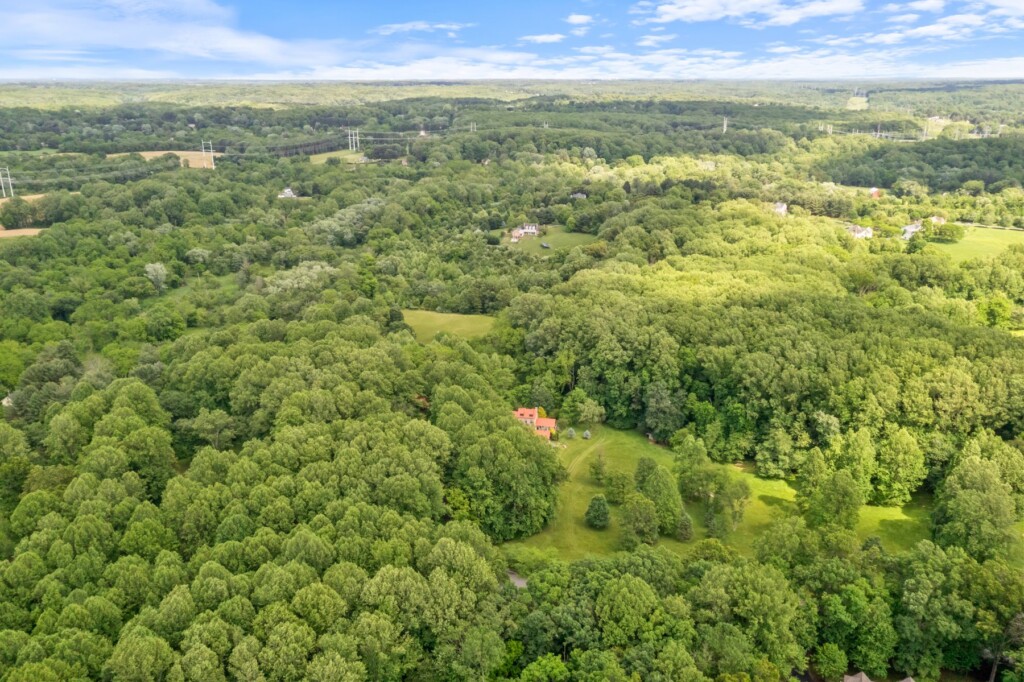
Experience timeless elegance and modern sustainability in this impeccably restored, award-winning stone house, nestled on 26 acres of rolling pastures and mature trees. This one-of-a-kind property offers a rare blend of historic charm and contemporary amenities, all just a short drive from both Washington, D.C., and Baltimore.
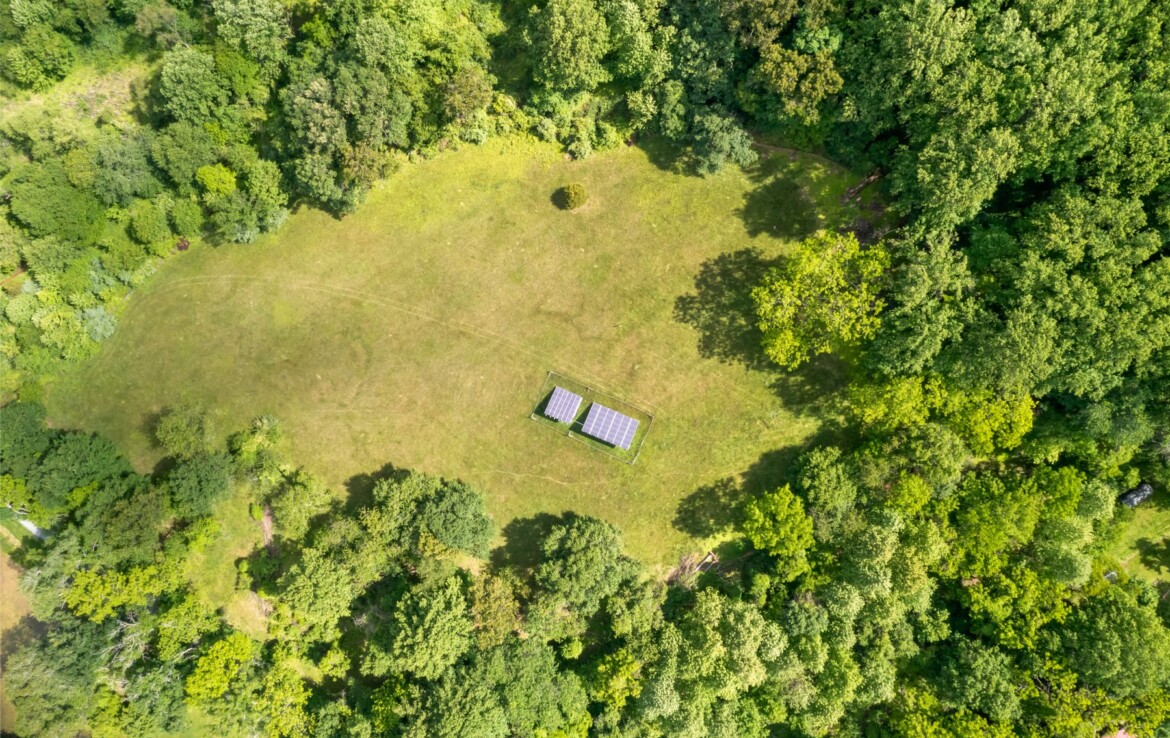
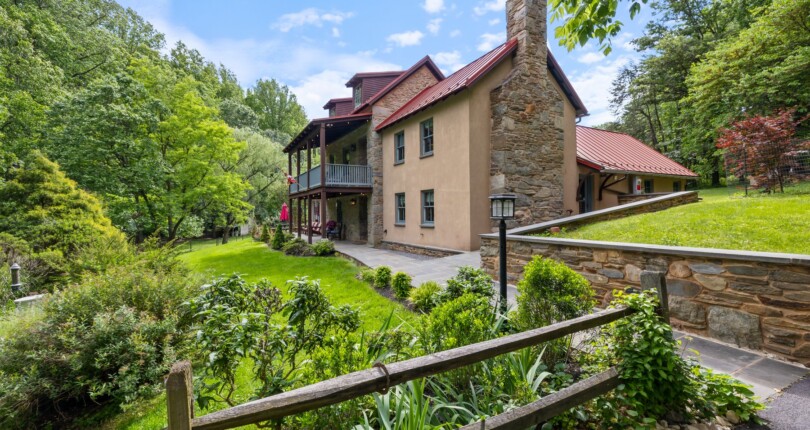
Originally built in c.1800 as a worker’s house for the Brookeville Woolen Mill, this architectural gem has been masterfully restored from a partial stone shell with meticulous attention to detail, preserving its original stone & stonework while integrating high-end finishes and energy-efficient upgrades—including solar panels for low-impact living.
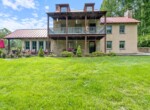
The main residence boasts four spacious bedrooms and three full bathrooms, including a luxurious primary bedroom with pastoral views. An attached in-law suite with a private entrance offers flexible living options.
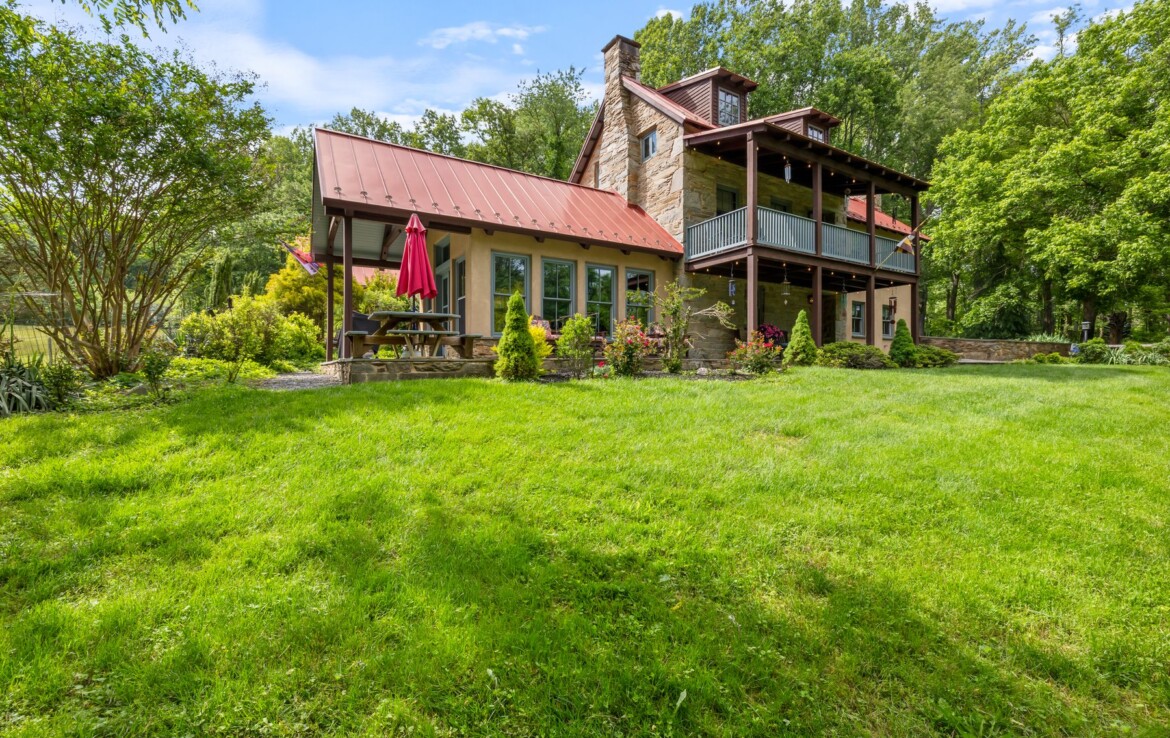
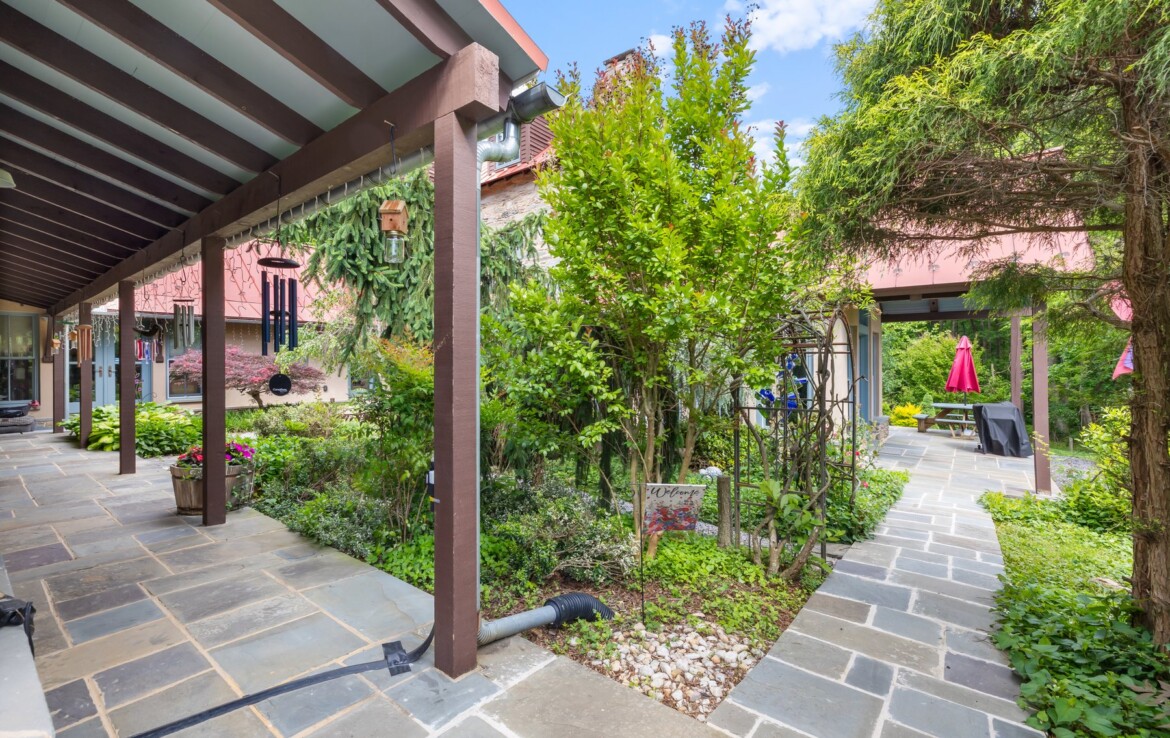
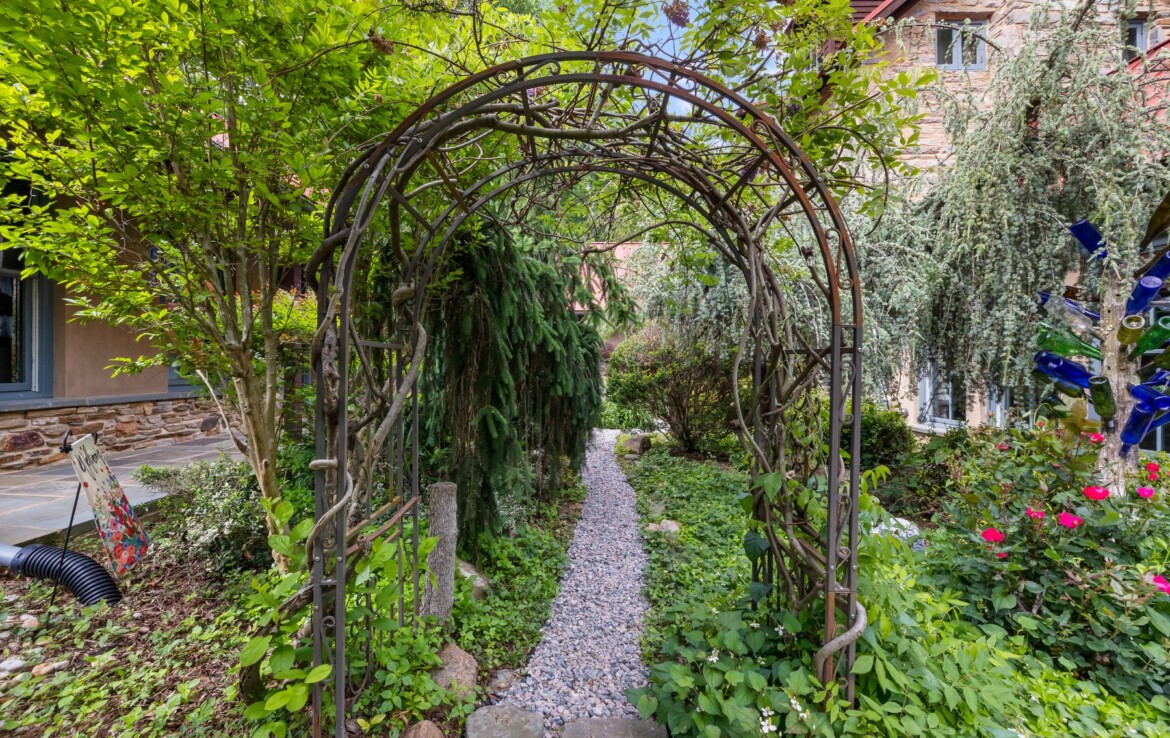
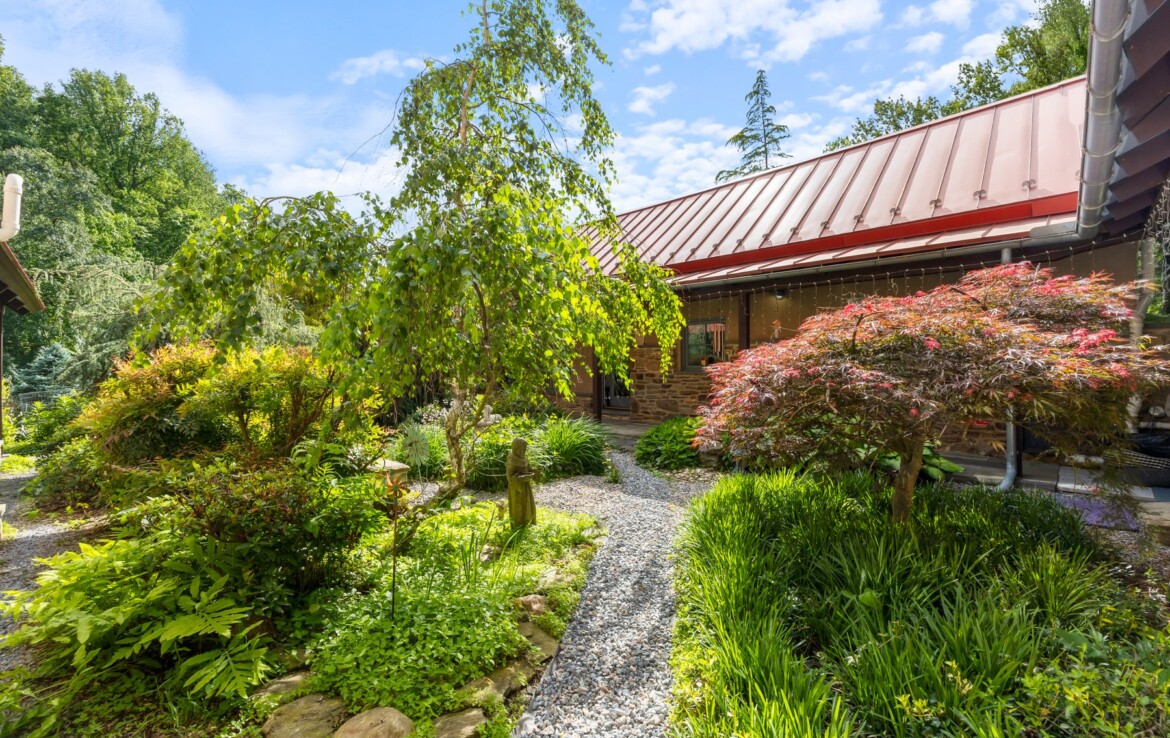
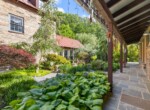
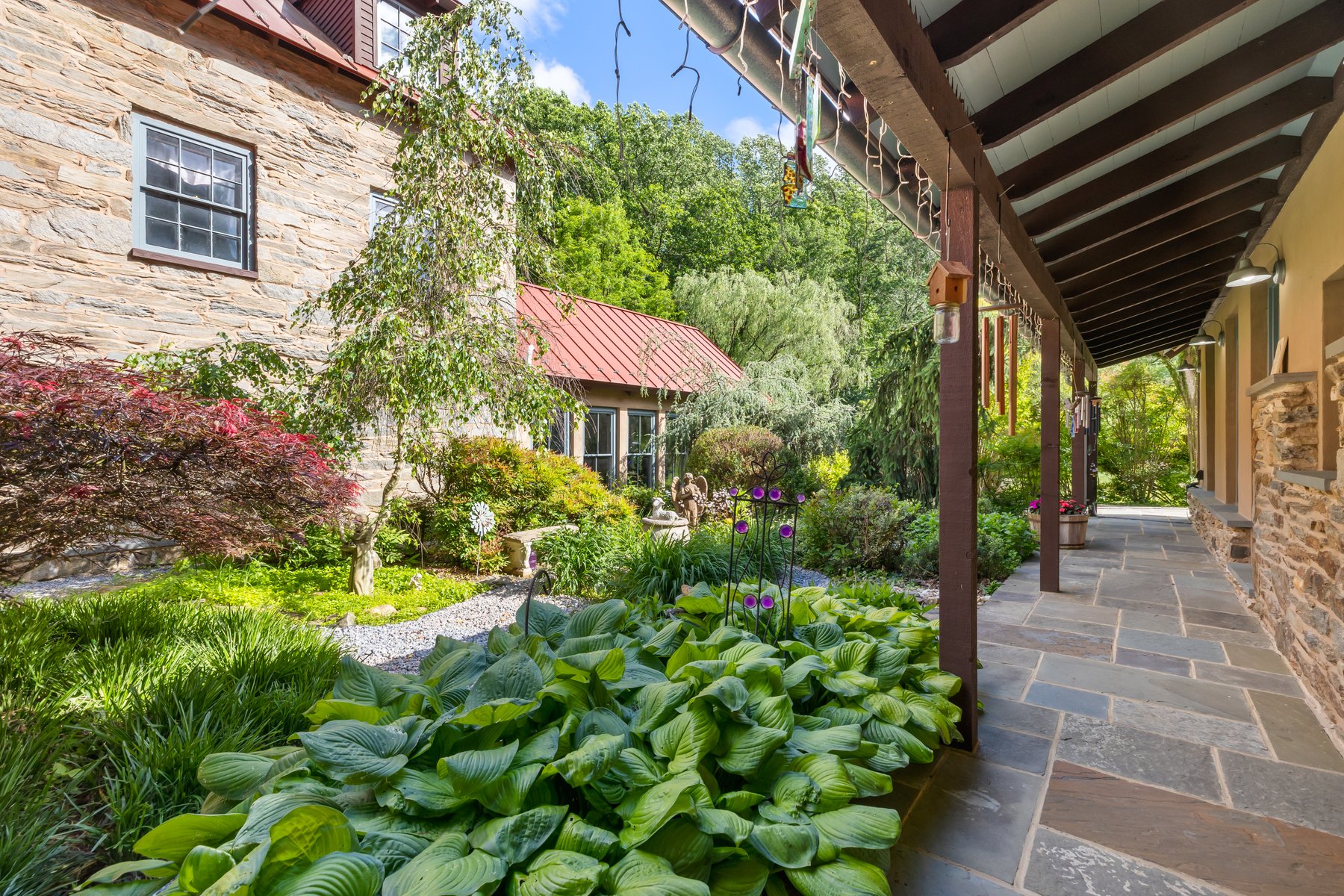
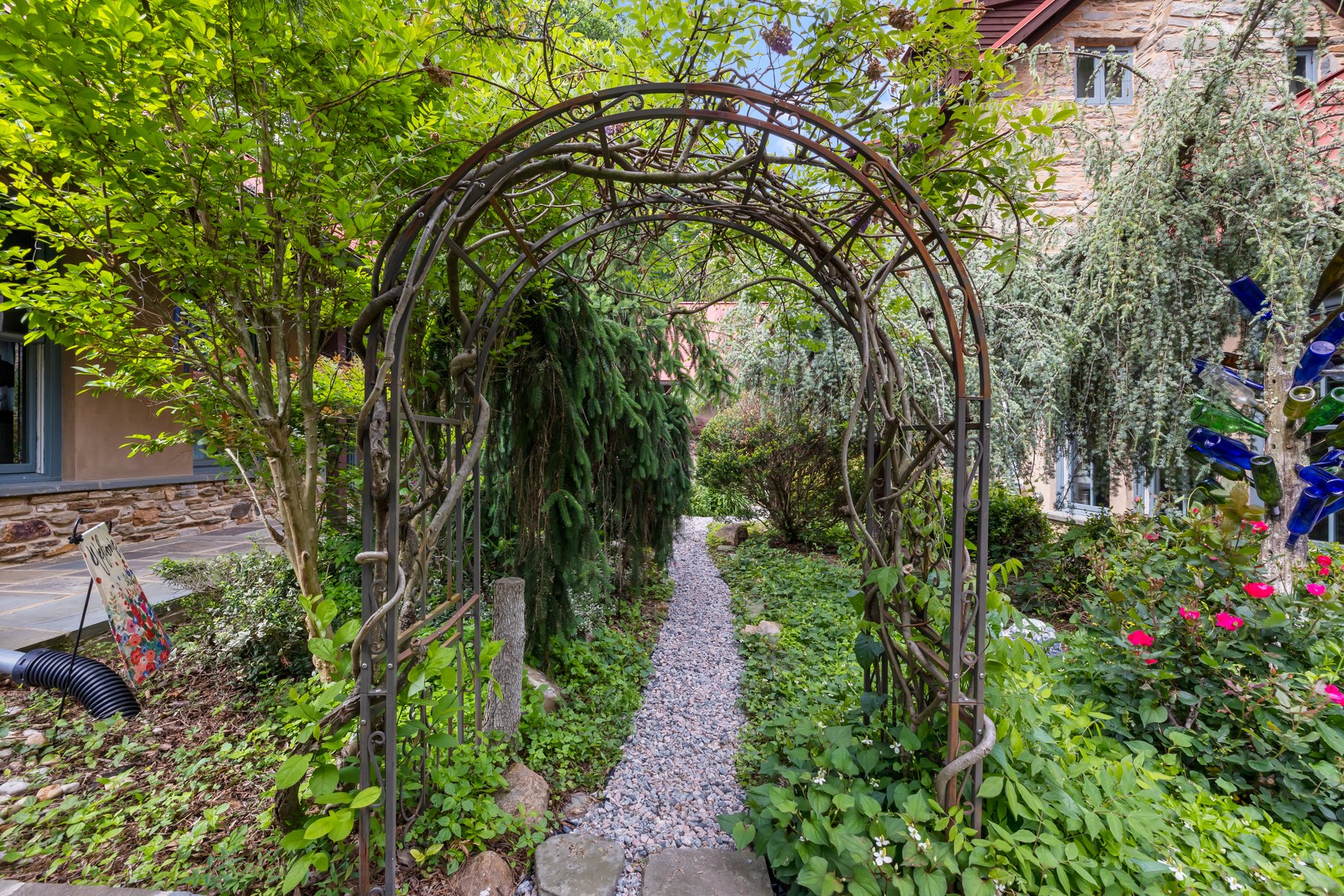
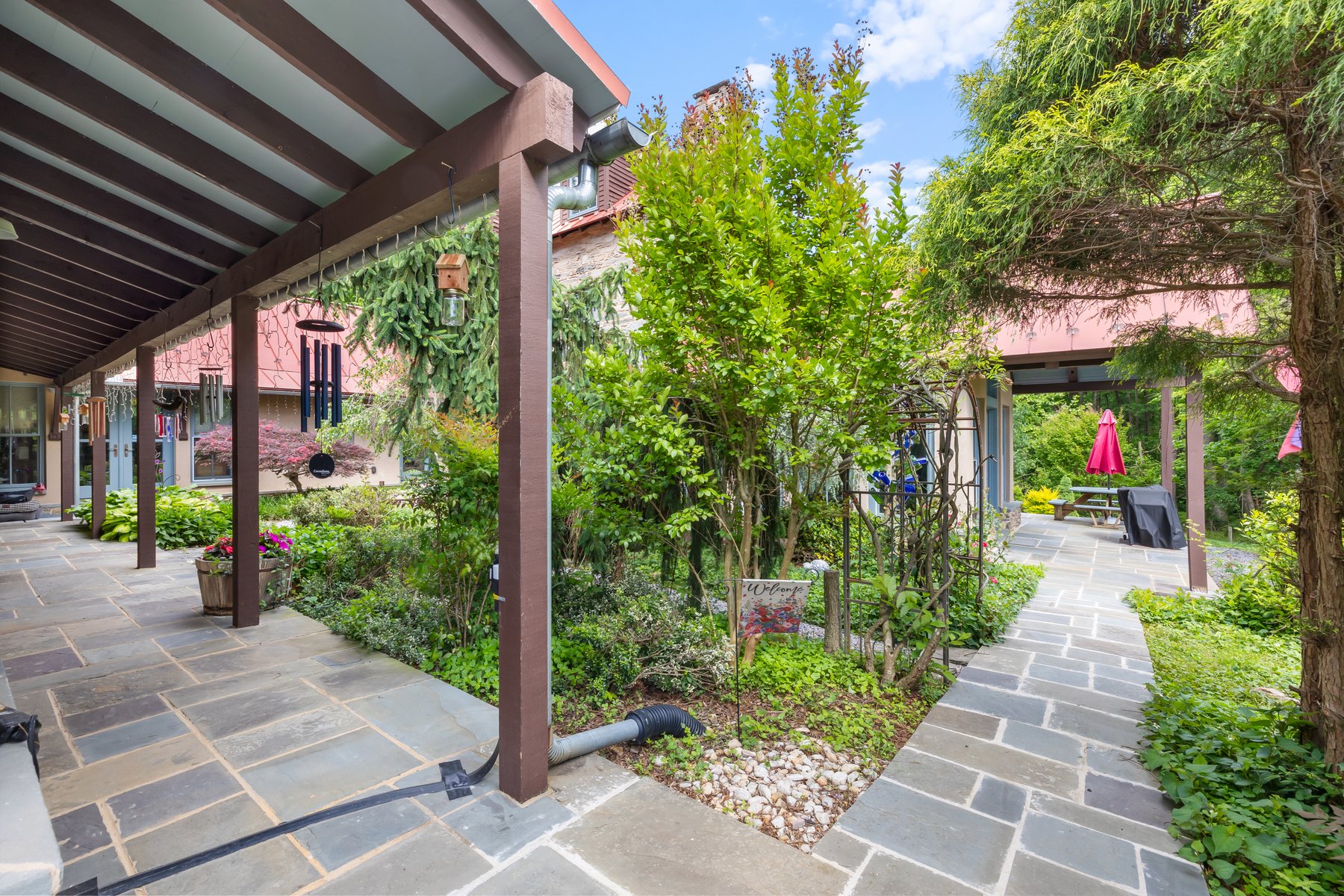
Ideal for those seeking privacy, open space, and refined rural living, this estate also features expansive pastures, ideal for livestock or hobby farming, and multiple outdoor living areas perfect for entertaining or quiet reflection.
A truly rare opportunity to own a historic estate that harmonizes classic craftsmanship, sustainability, and proximity to major metropolitan hubs.
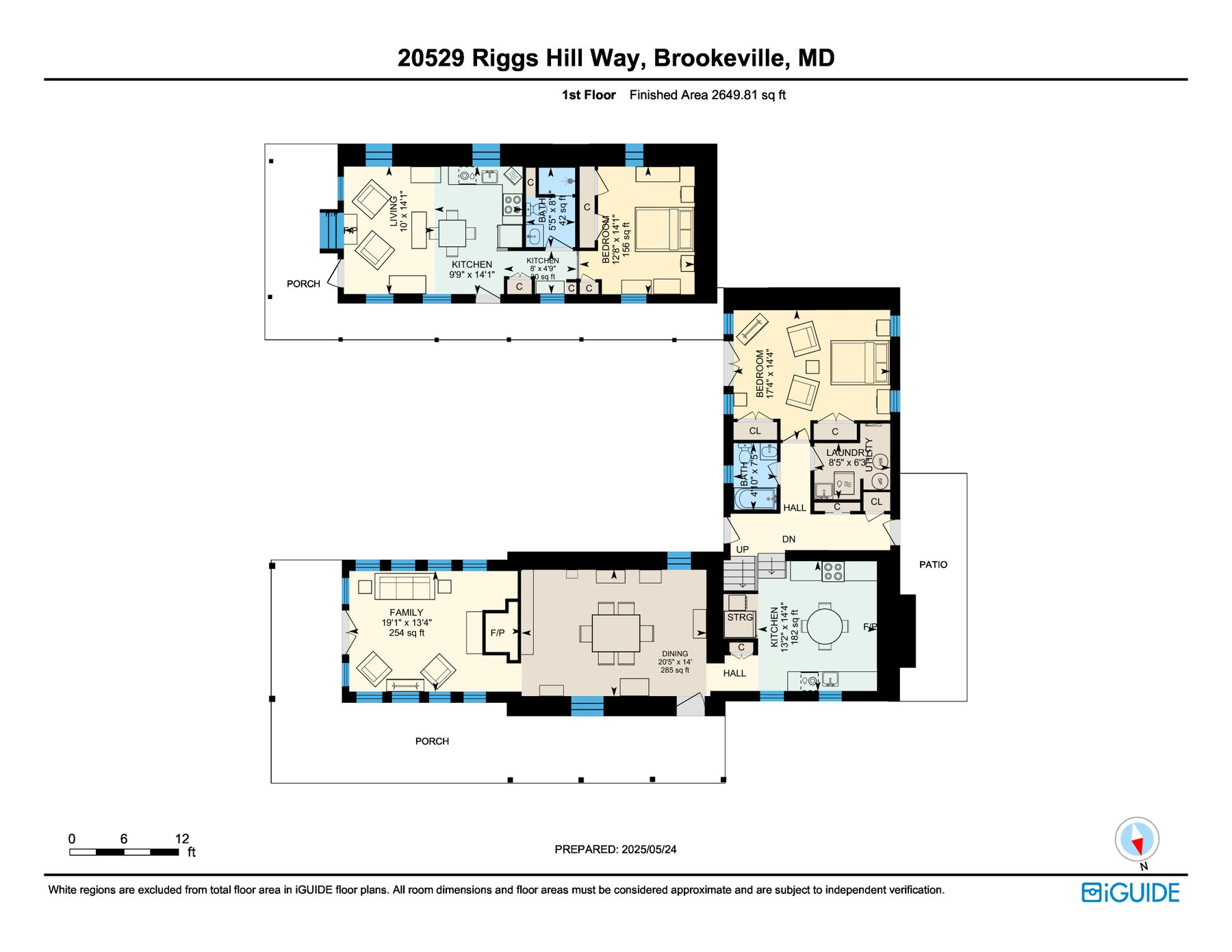
1st Floor
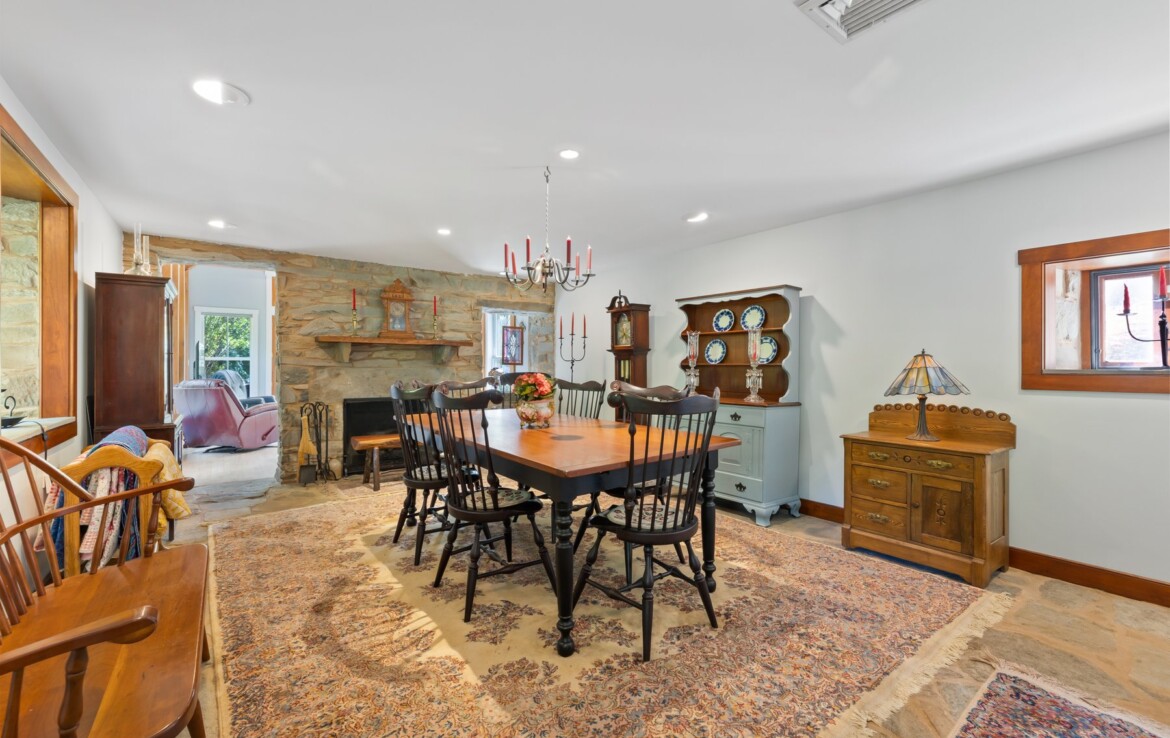
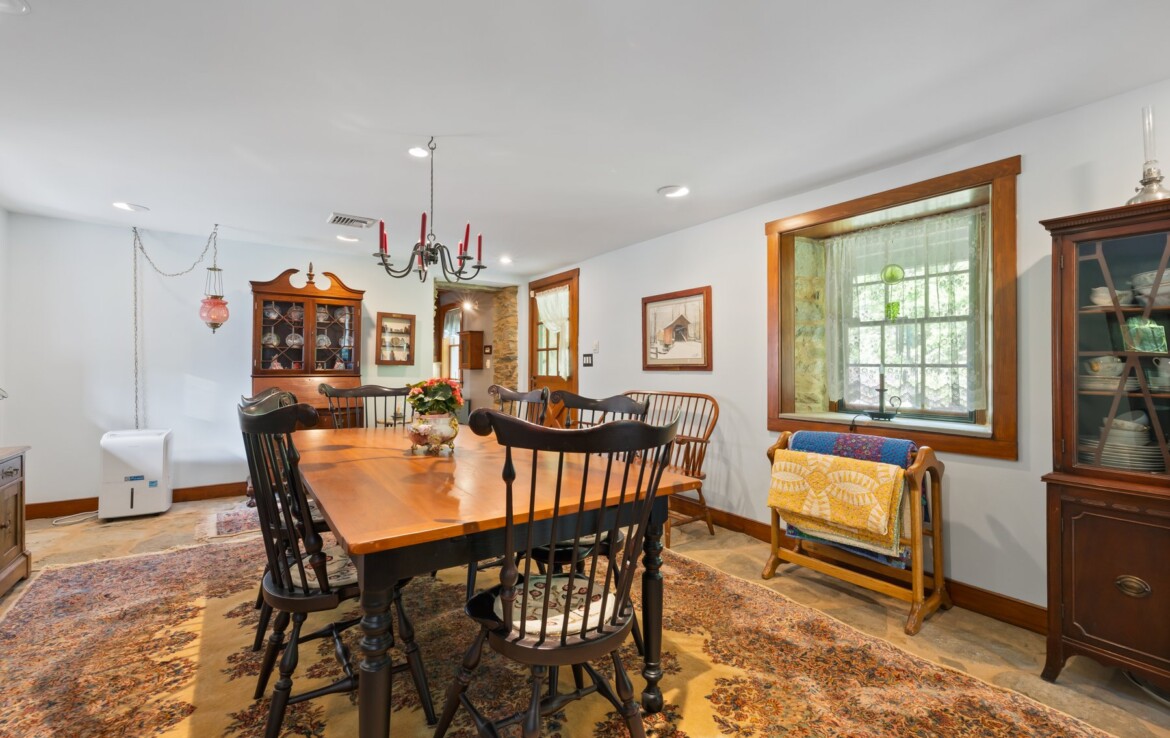
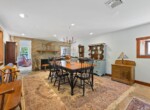
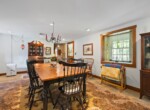
Dining Room 20′ x 14′ – Stone floor, stone fireplace (gas), recessed lighting, 2 windows.
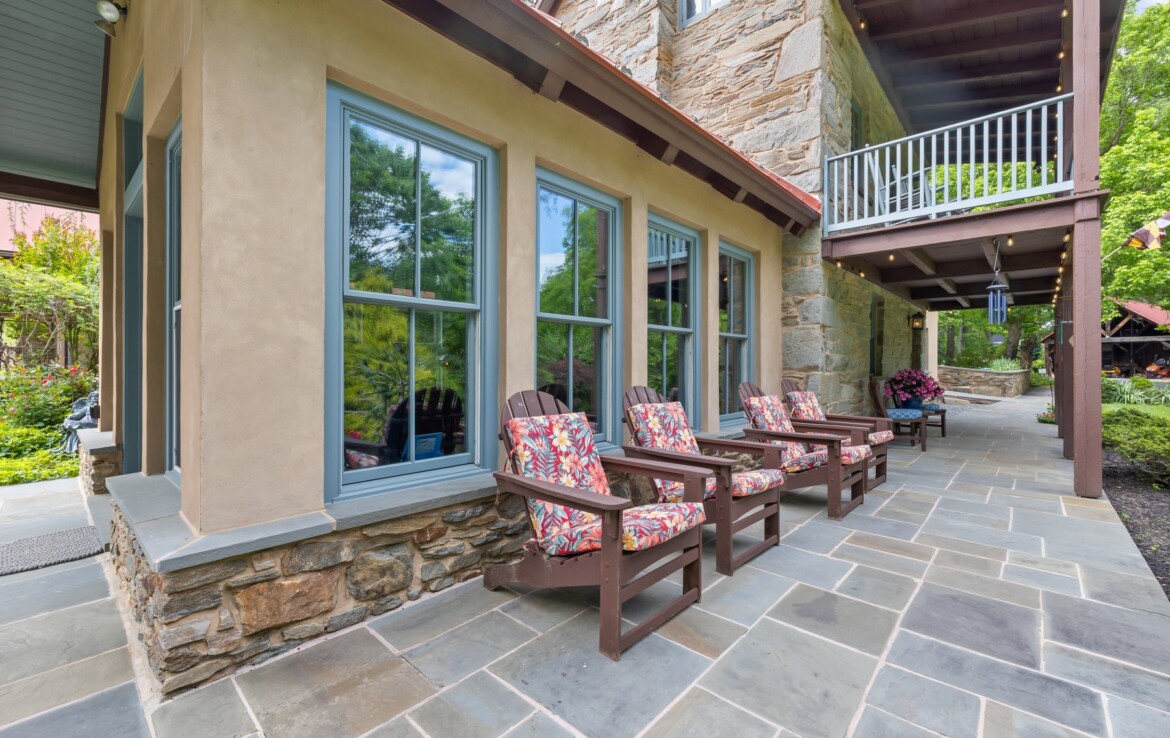
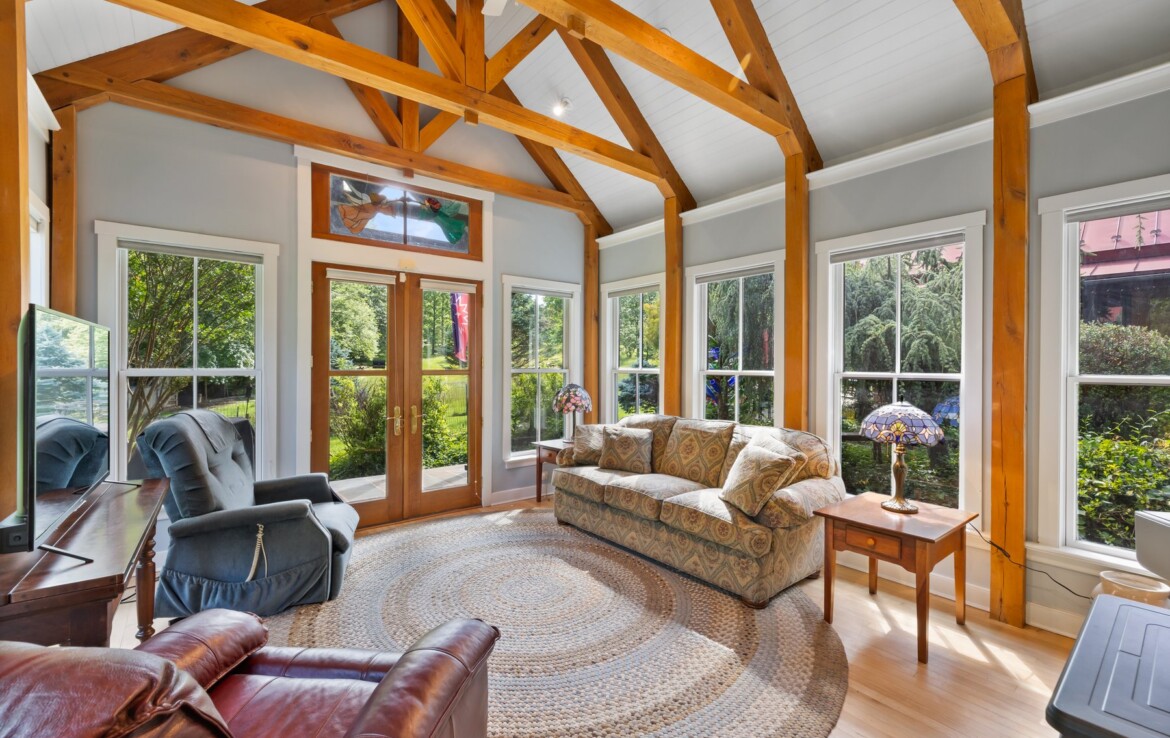
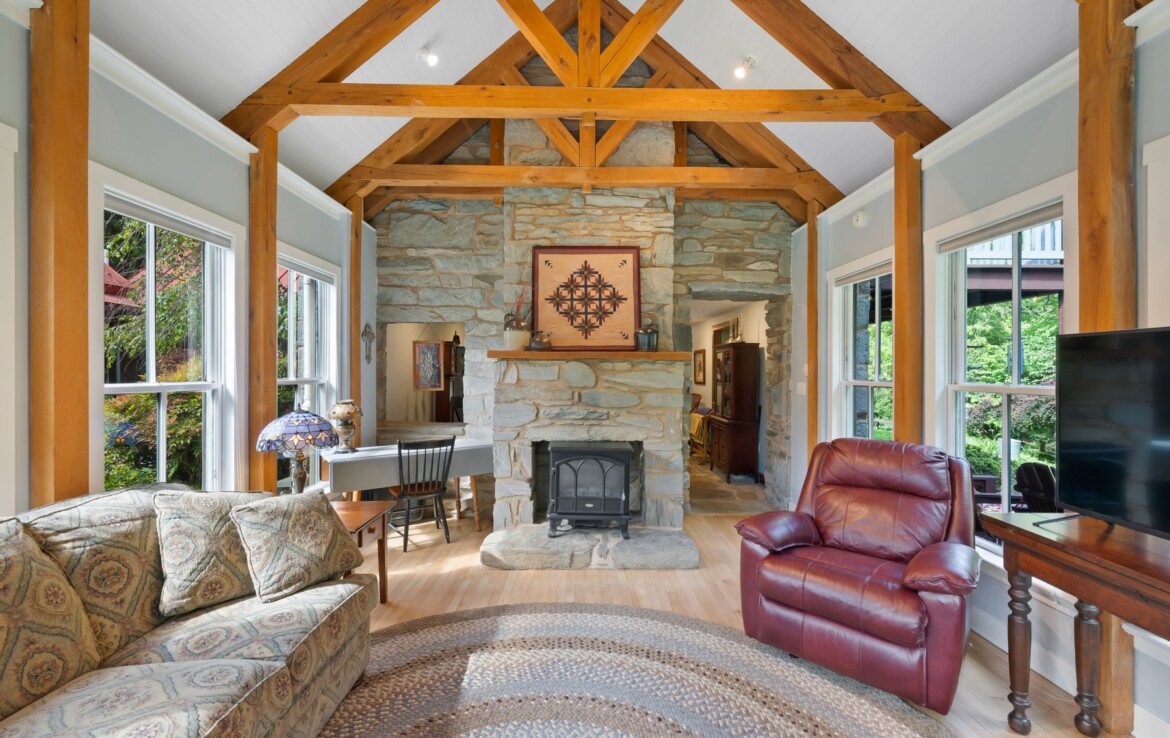
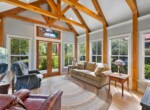
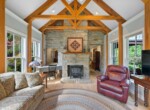
Sun Room 19′ x 13′ – Wood floor, 15’+ ceiling with exposed wood beams, stone wall with fireplace (gas) and wood mantel, French doors to the patio, 2 ceiling fans, 11 windows.
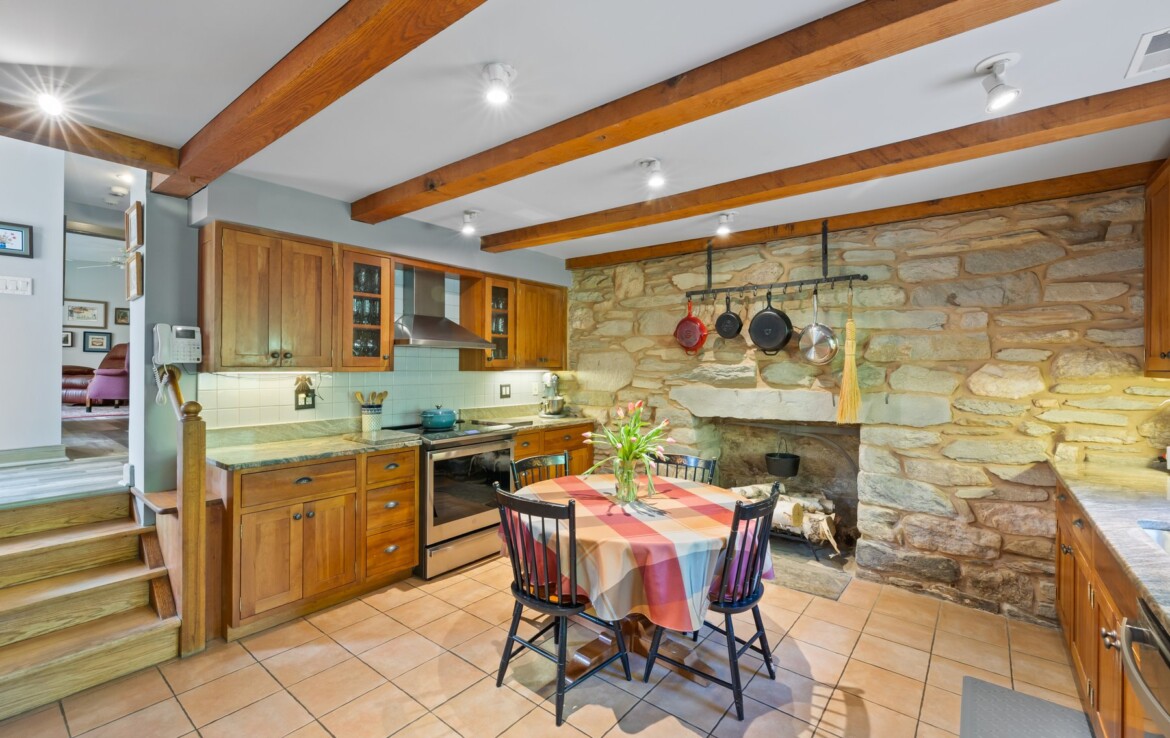
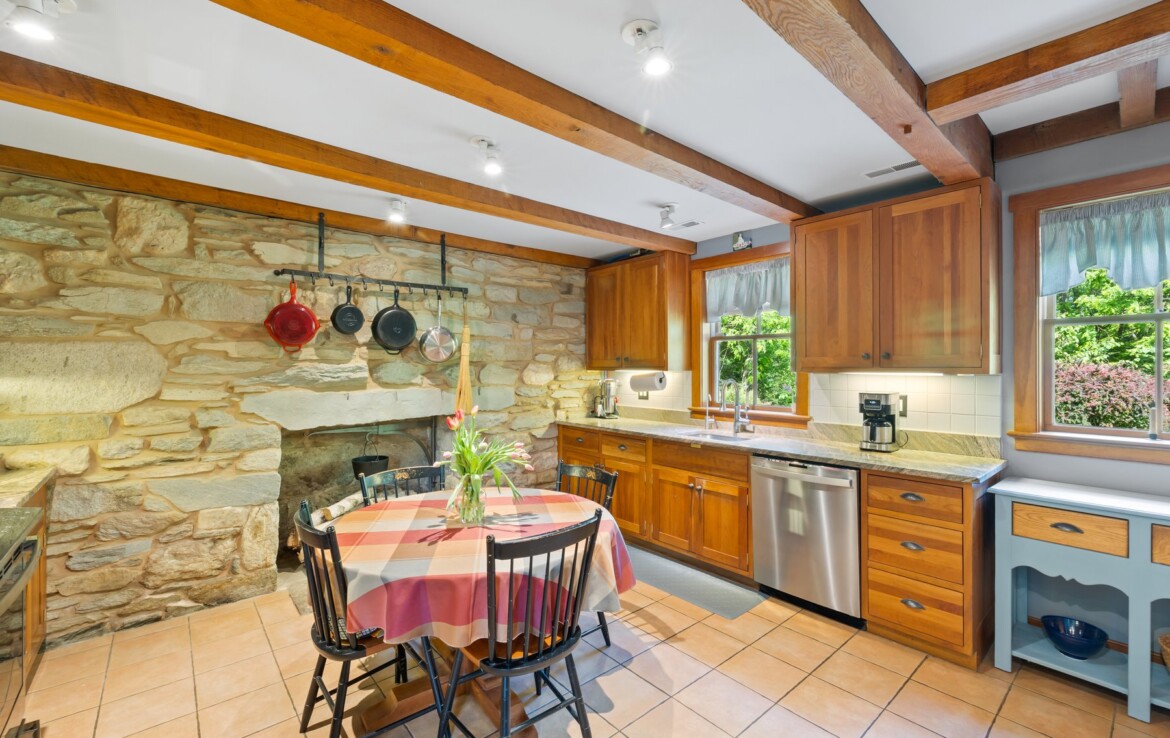
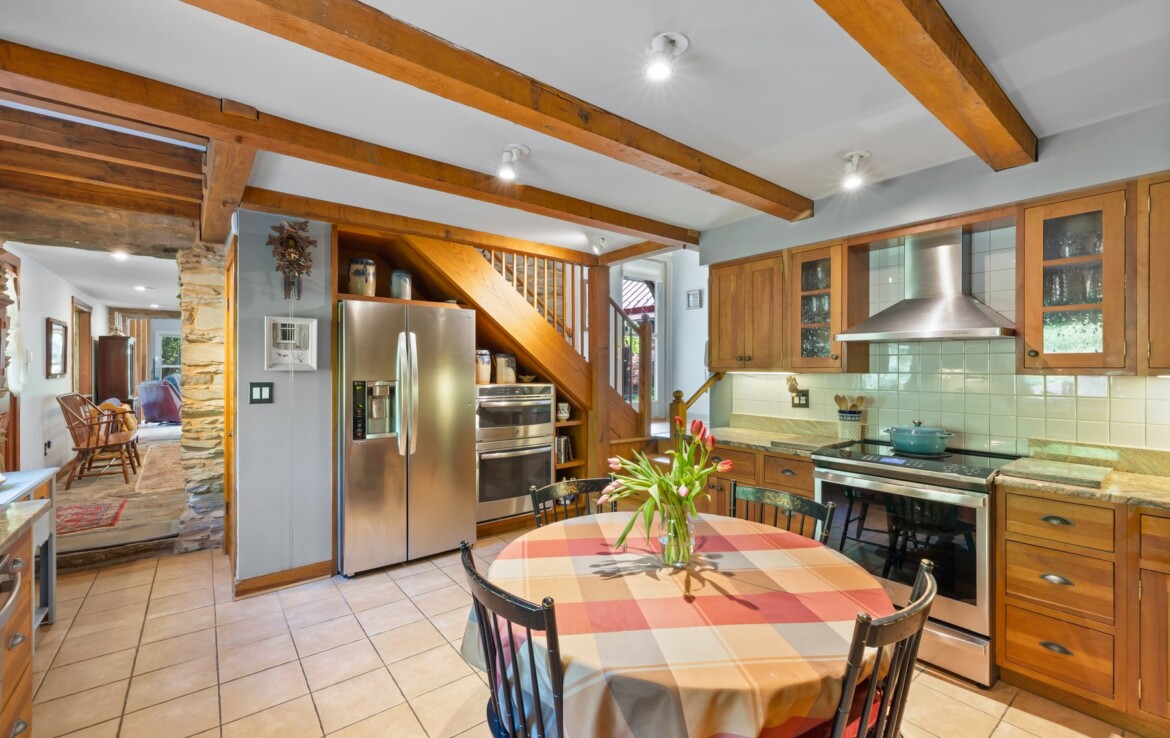
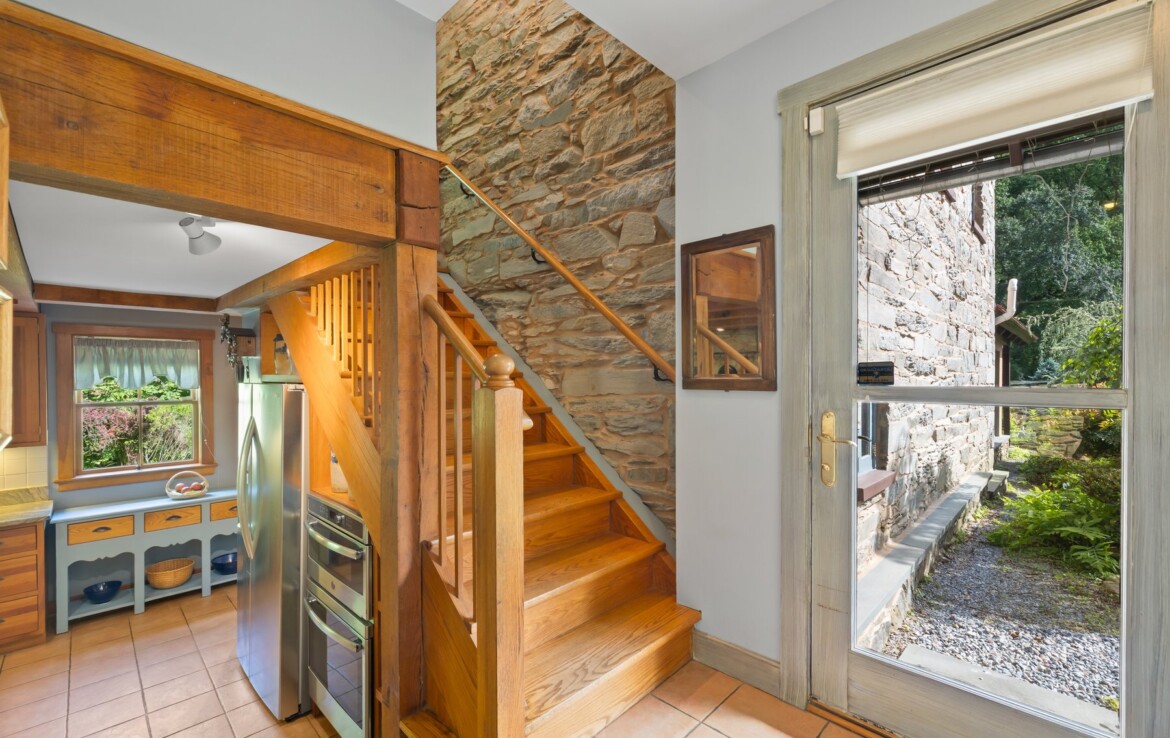
Kitchen 14′ x 13′ – Tile floor with radiant heat, stone wall with fireplace (gas), custom cabinets, exposed wood beam ceiling, stainless steel appliances, granite counters, 2 windows.
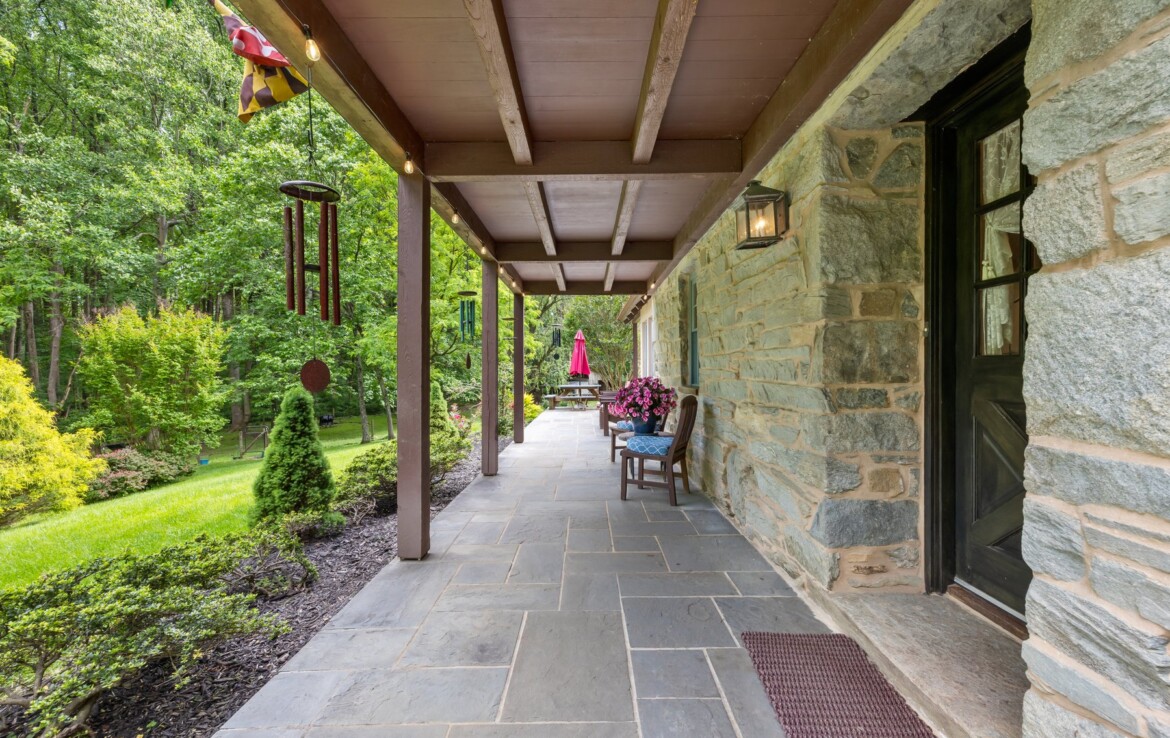
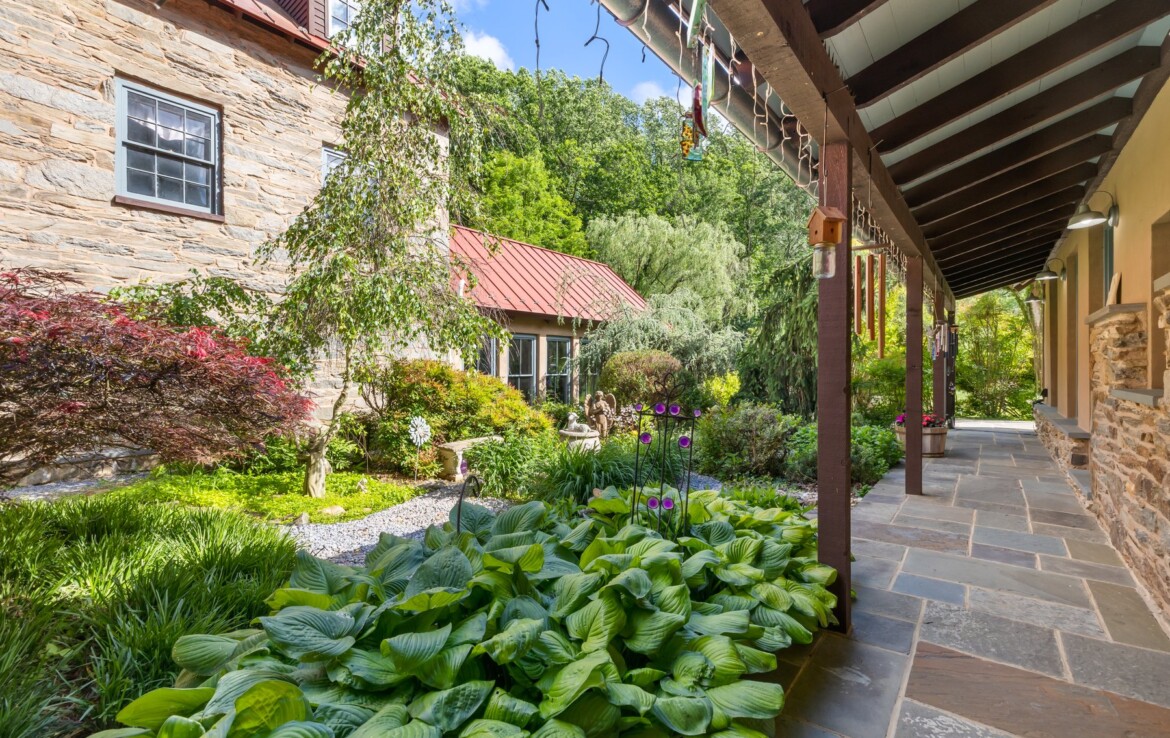
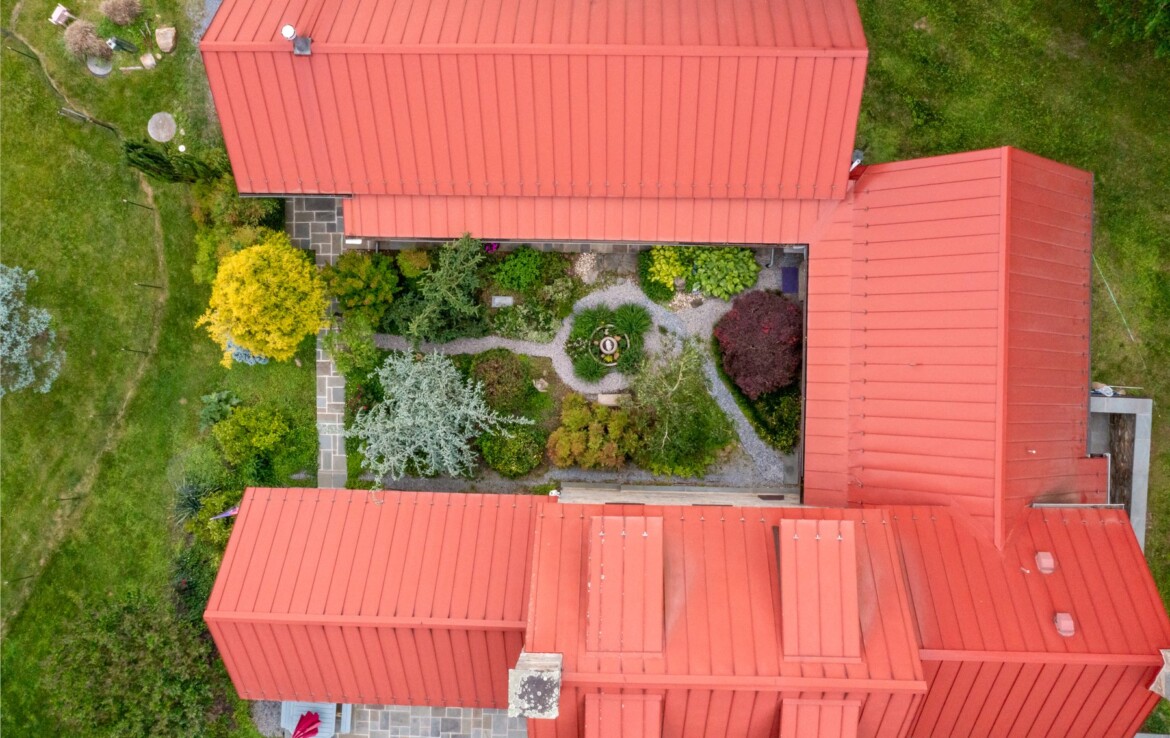
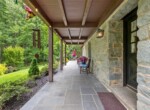
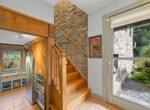
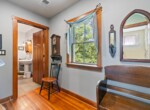
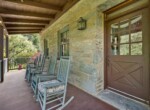
Hall – Wood floor, 2 closets, stairs to second floor, door to the courtyard, door to the side porch.
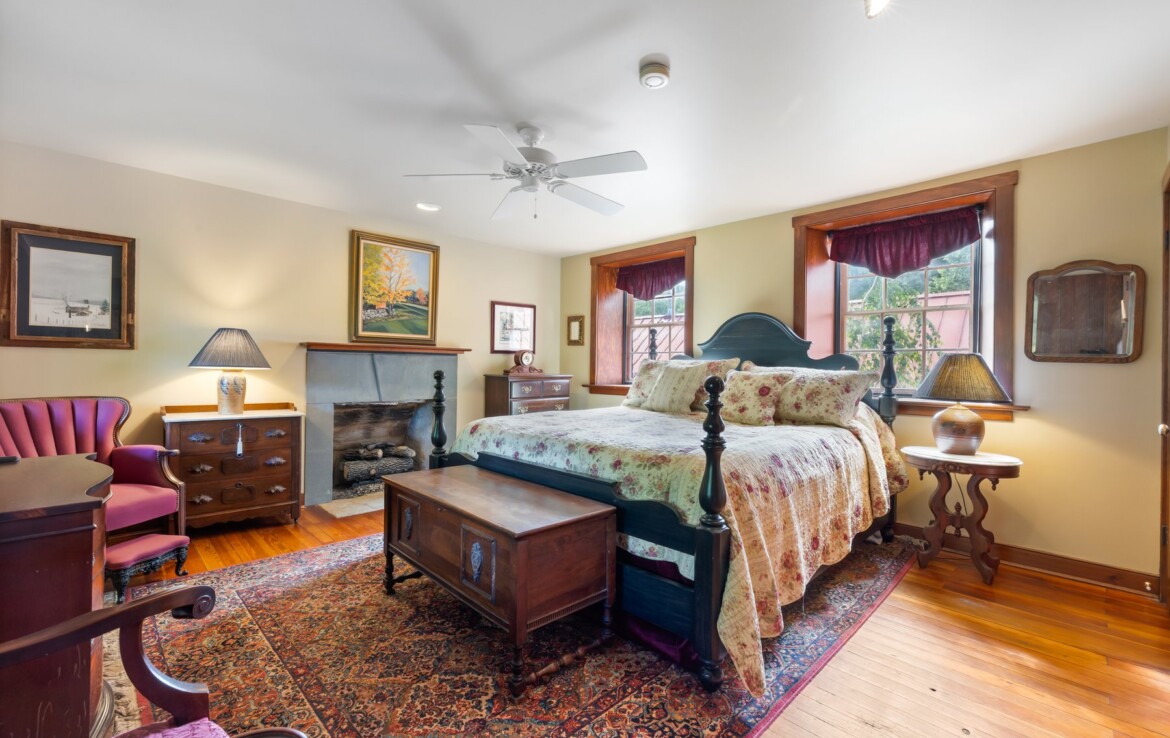
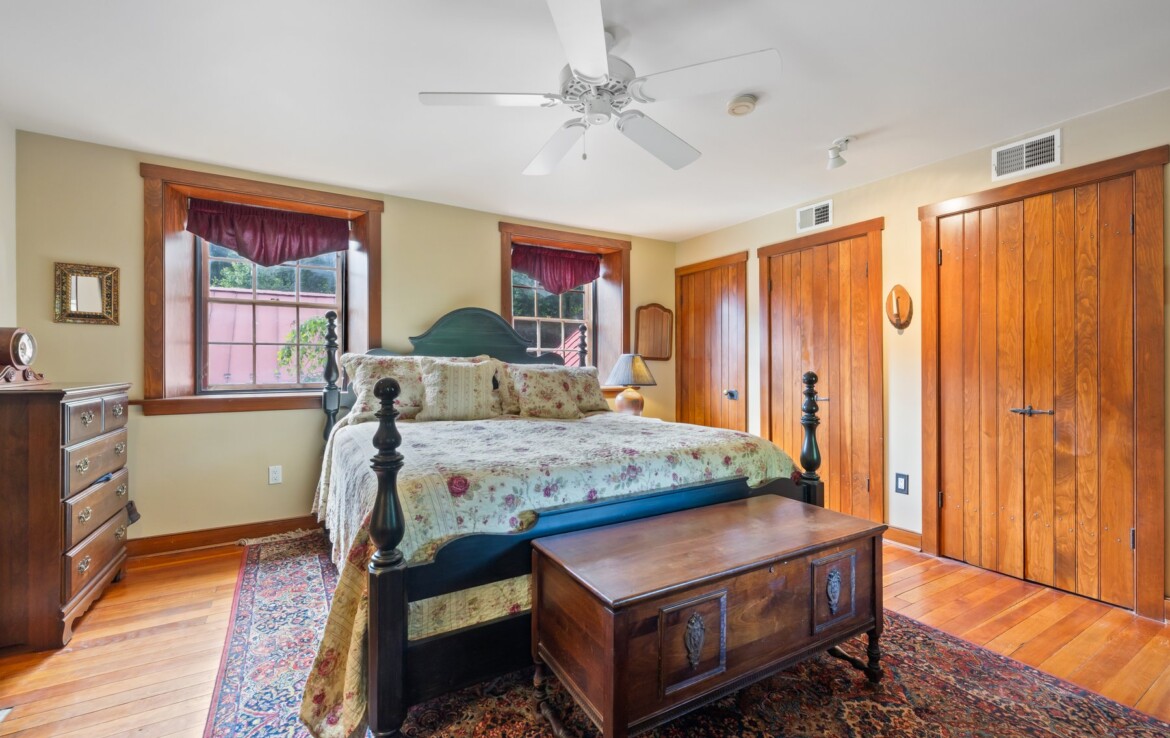
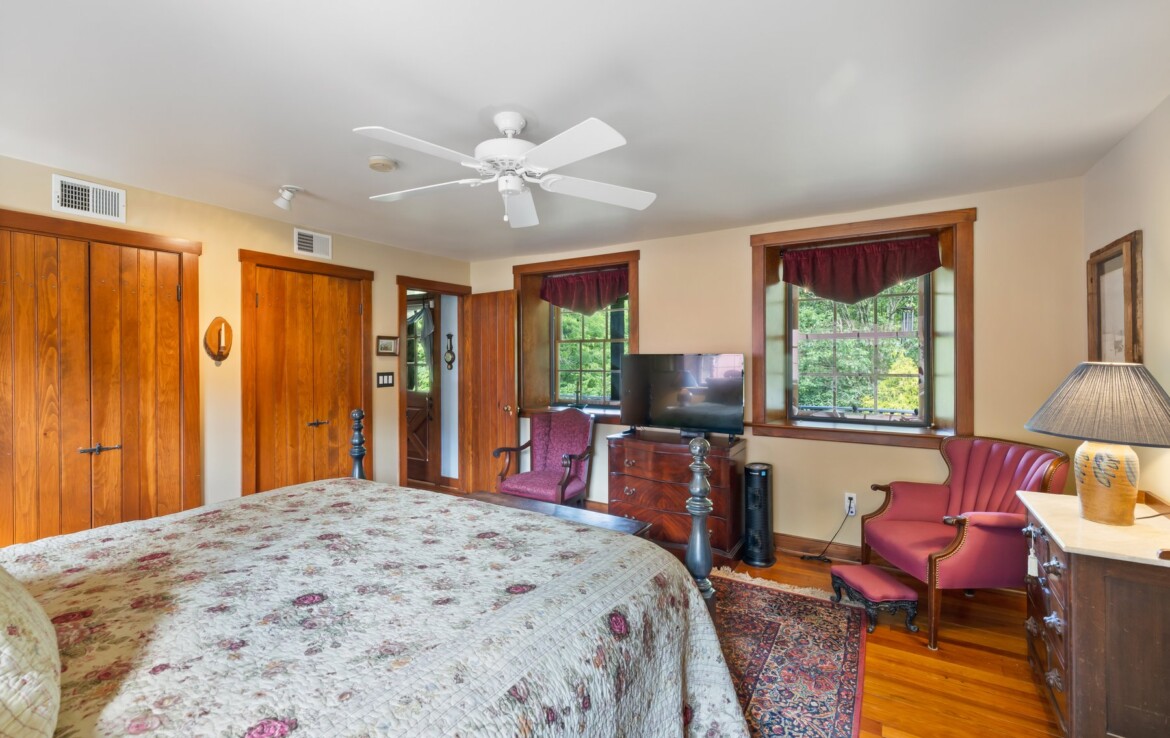
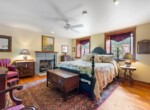
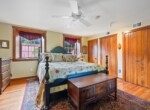
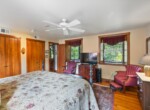
Primary Bedroom Suite 17′ x 14’– Wood floor, ceiling fan, 2 closets, French doors to the courtyard, 4 windows.
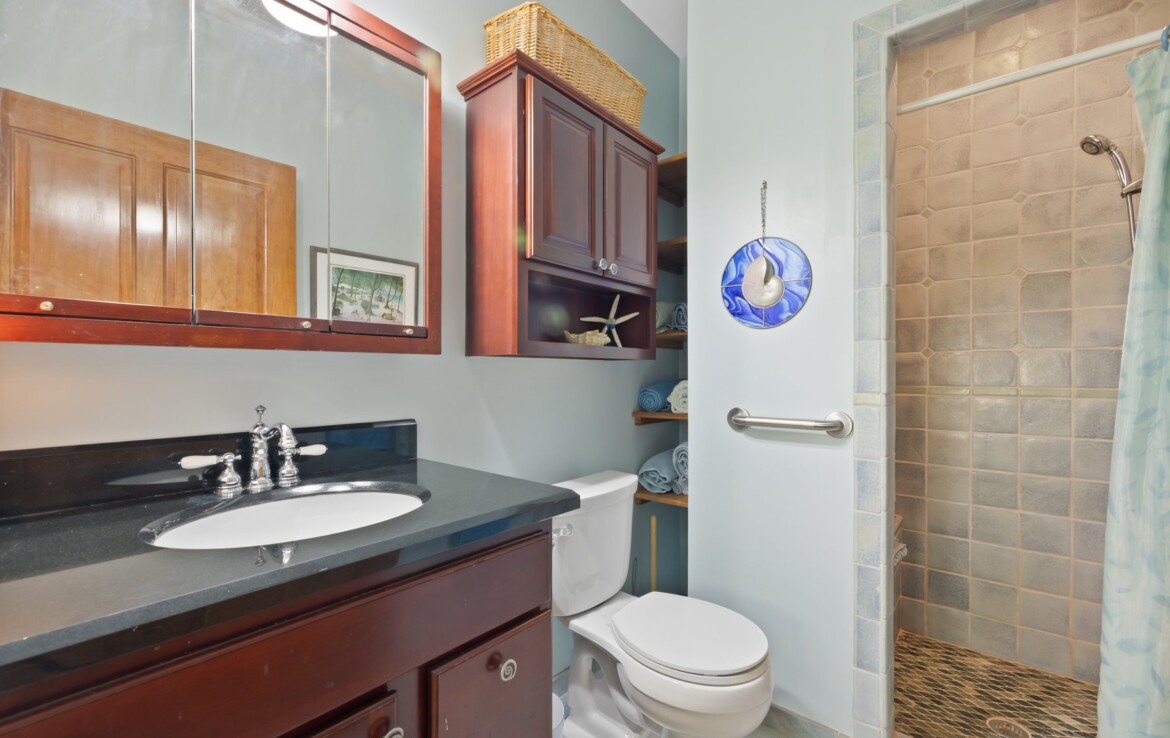
*Bathroom 7′ x 5′ – Tile floor, tile shower.
Laundry Room 8′ x 6′ – Vinyl floor.
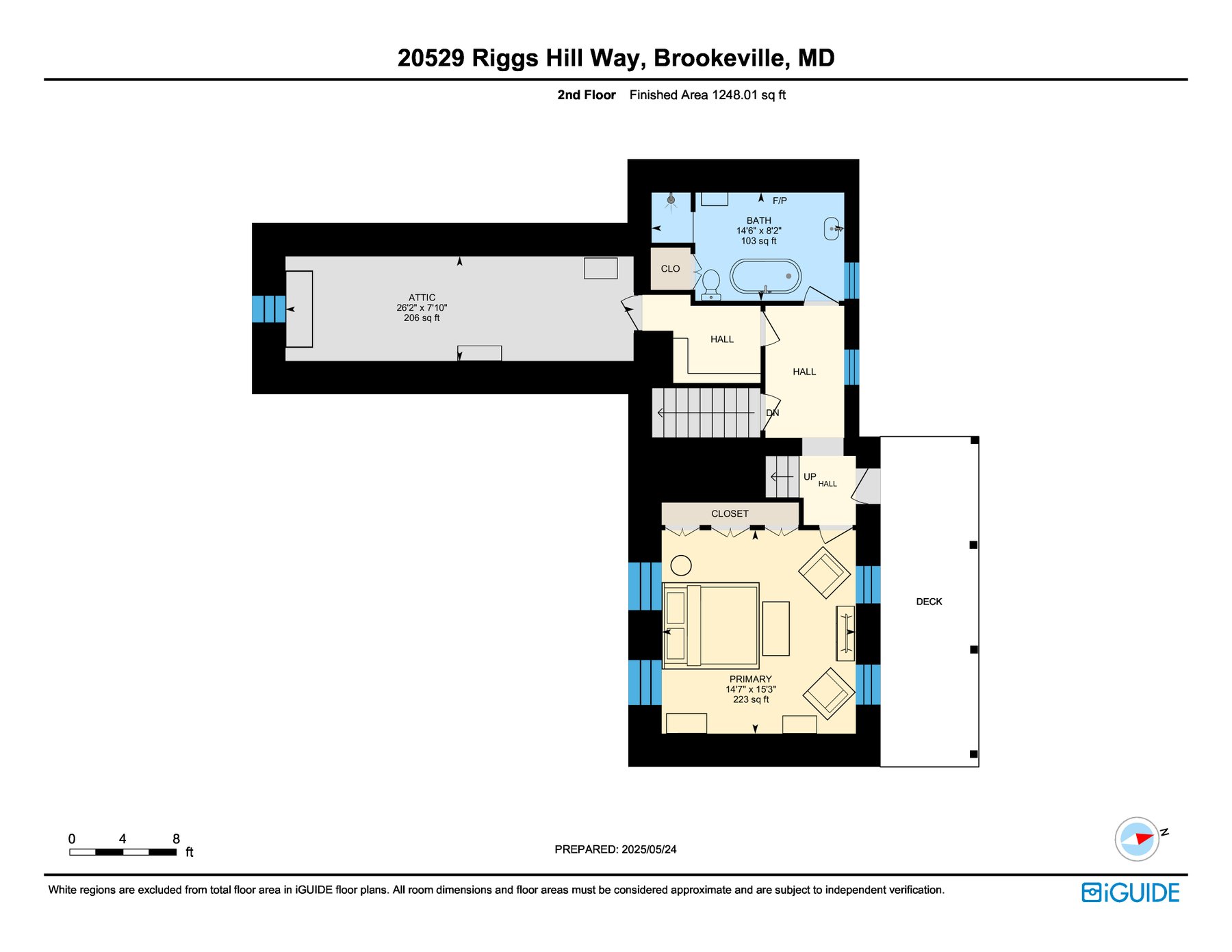
2nd Floor
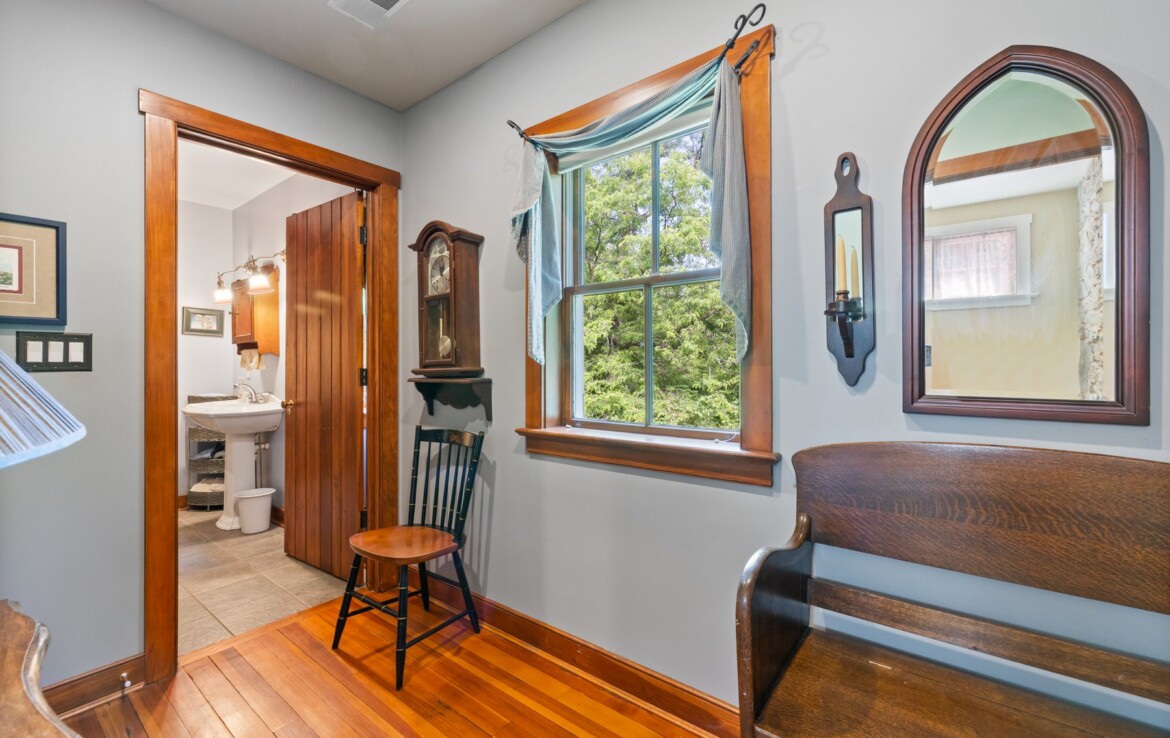
Landing 12′ x 6′ – Wood floor, recessed lighting, 1 window, door to porch, stairs to third floor.
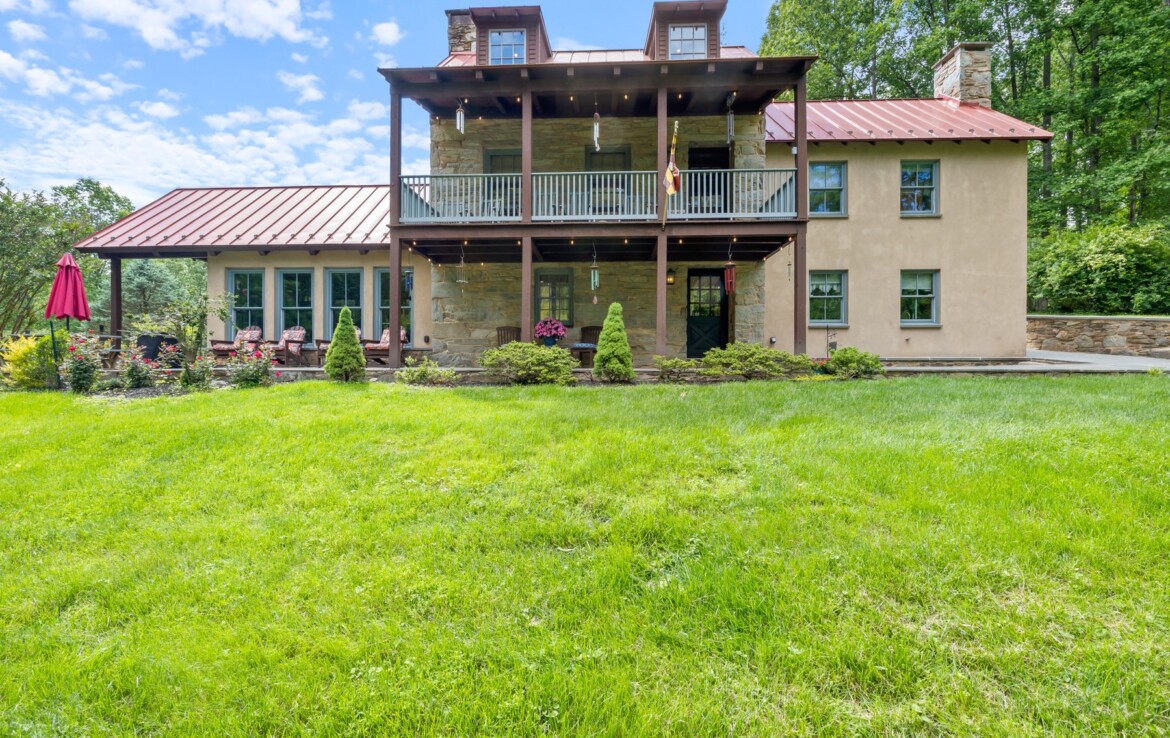
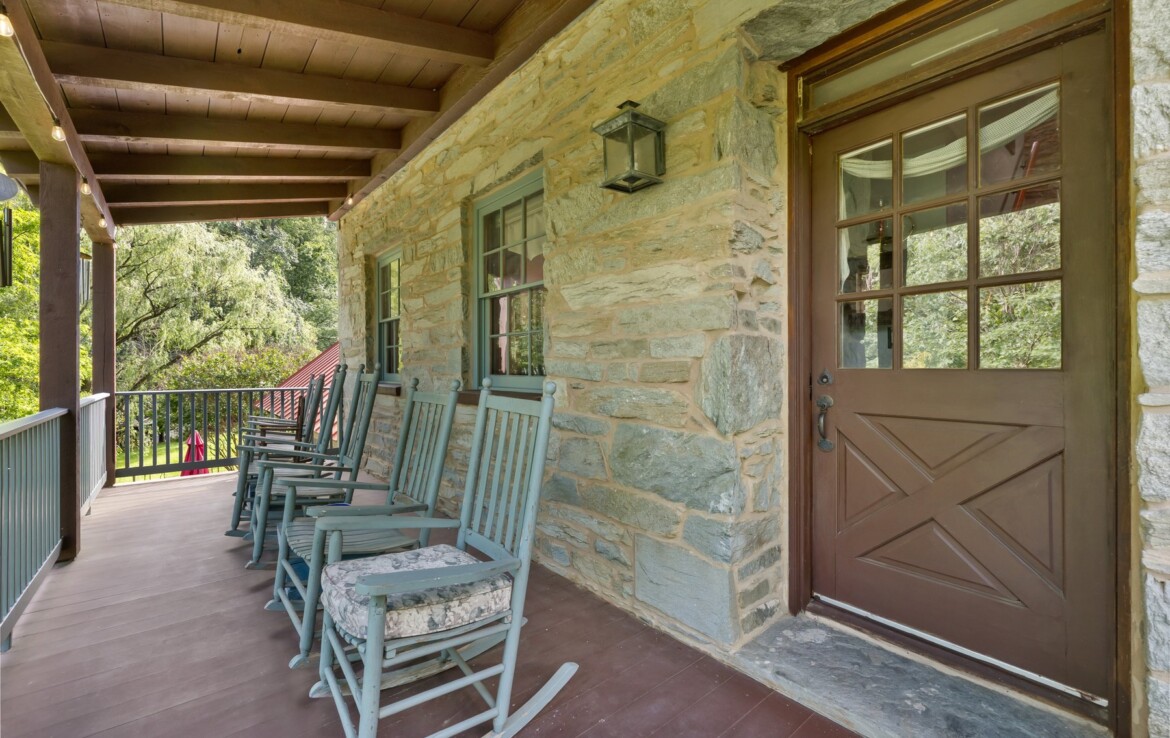
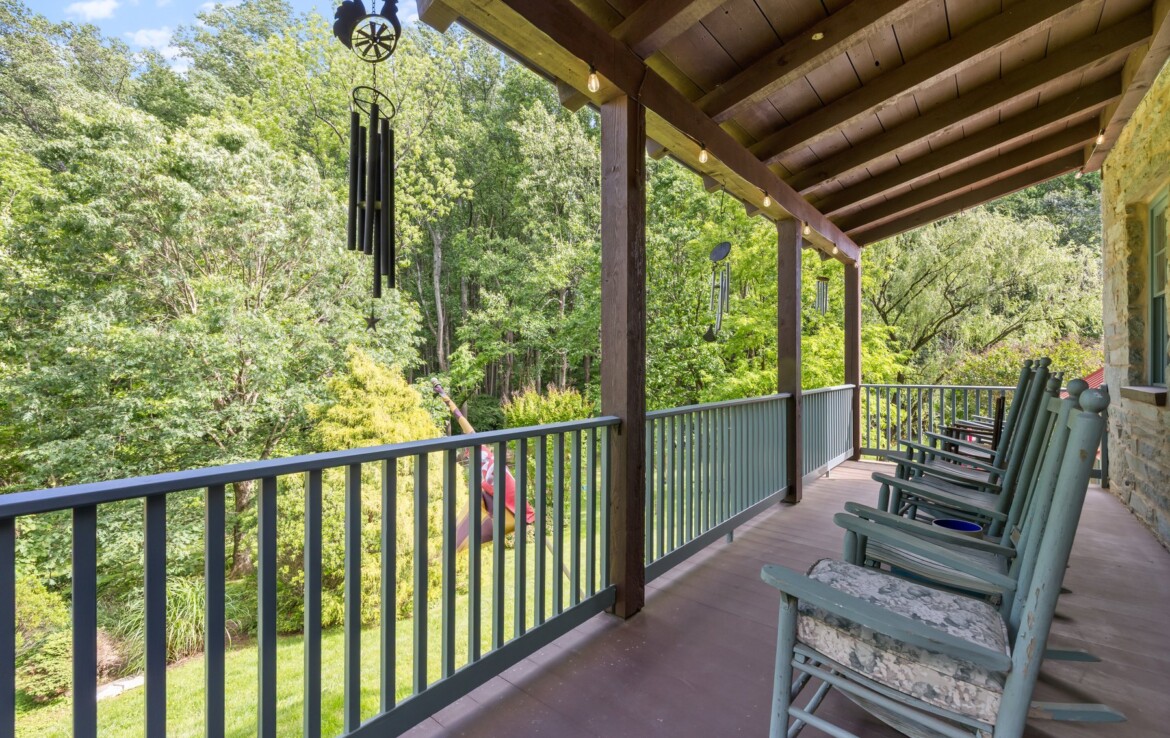
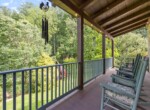
Large Porch – Panoramic views of the estate.
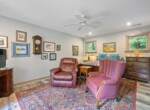
Bedroom 2 15′ x 15′ – Wood floor, ceiling fan, fireplace (gas), recessed lighting, 3 closets, 4 window.
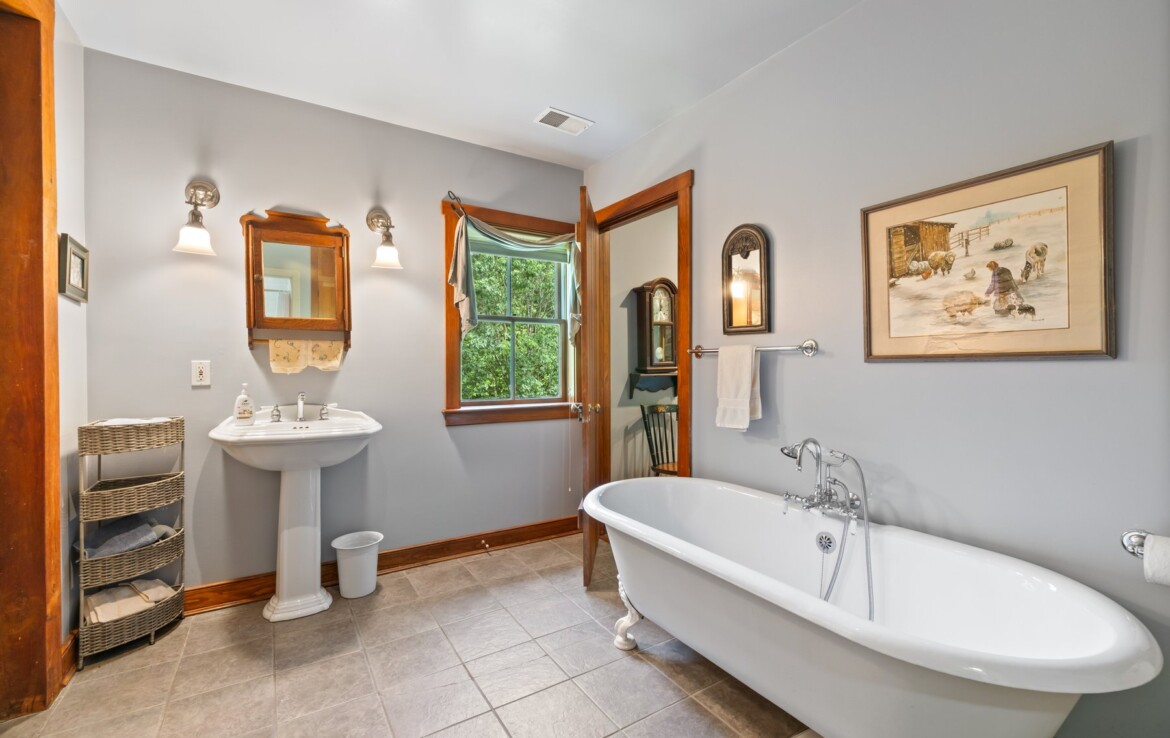
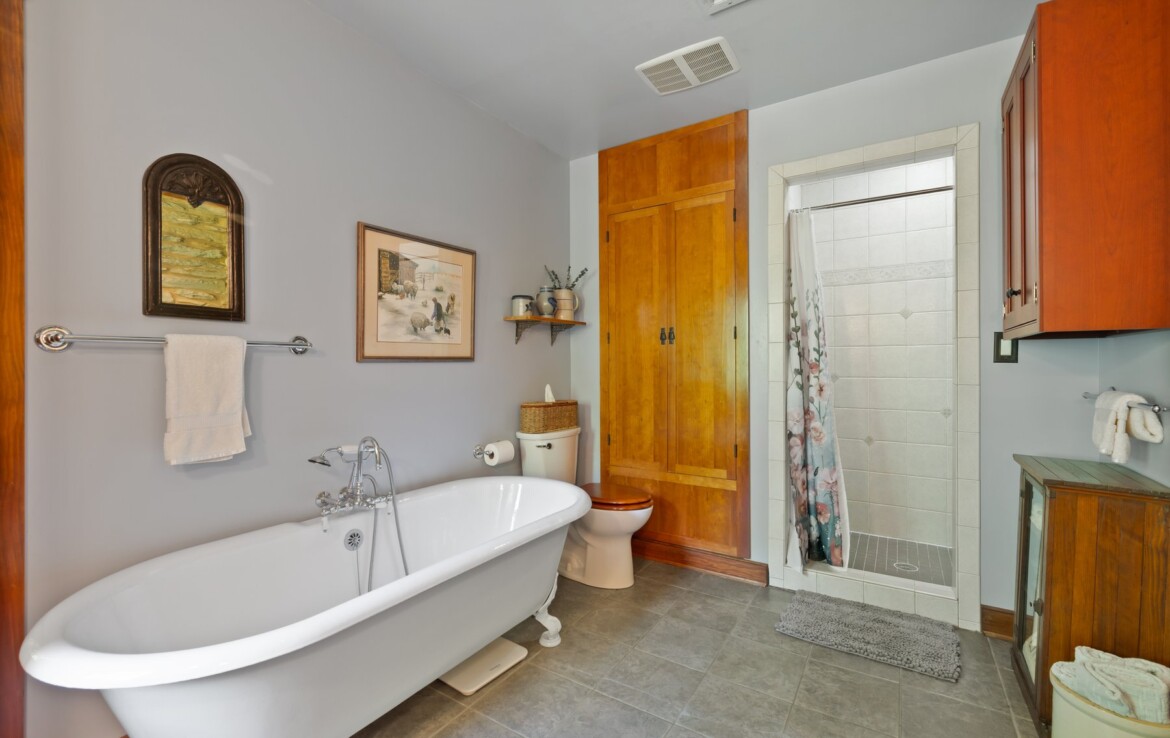
Bathroom 15′ x 8′ – Tile floor, claw foot tub, tiled shower, pedestal sink, recessed lighting, stone fireplace, 1 closet.
Walk-in Closet 7′ x 6′ – Wood floor, recessed lighting.
Store Room 20′ x 7′ – Wood floor, 1 window.
3rd Floor
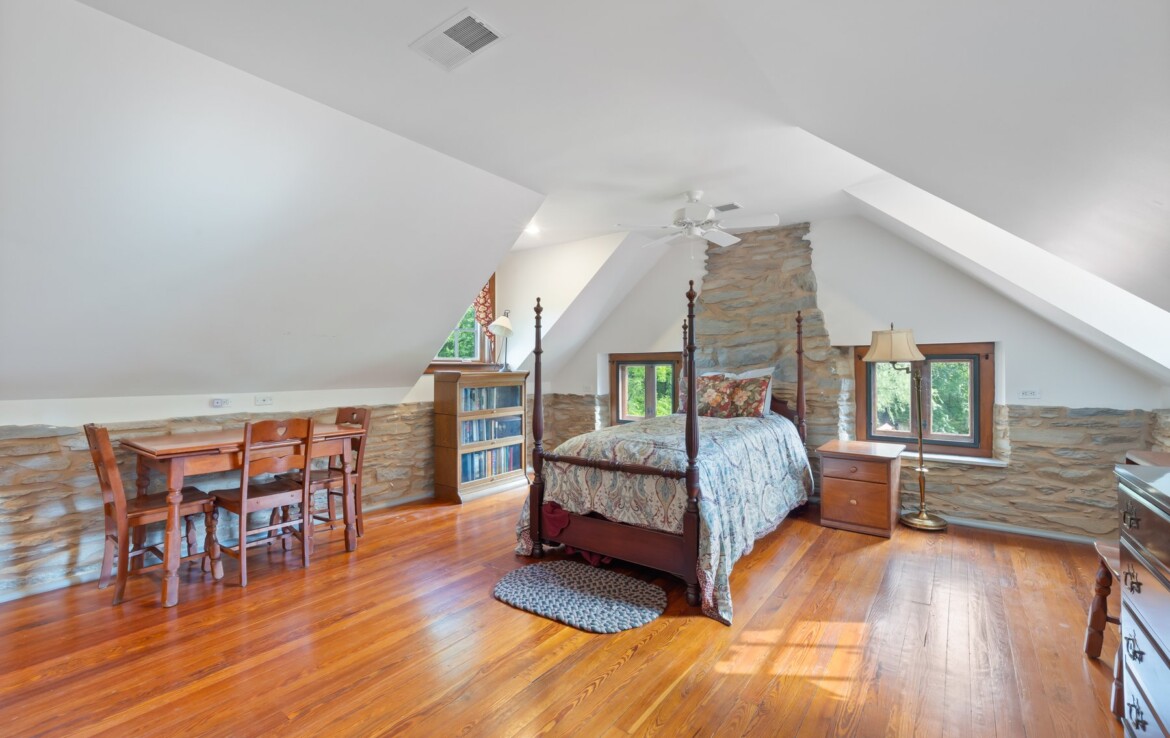
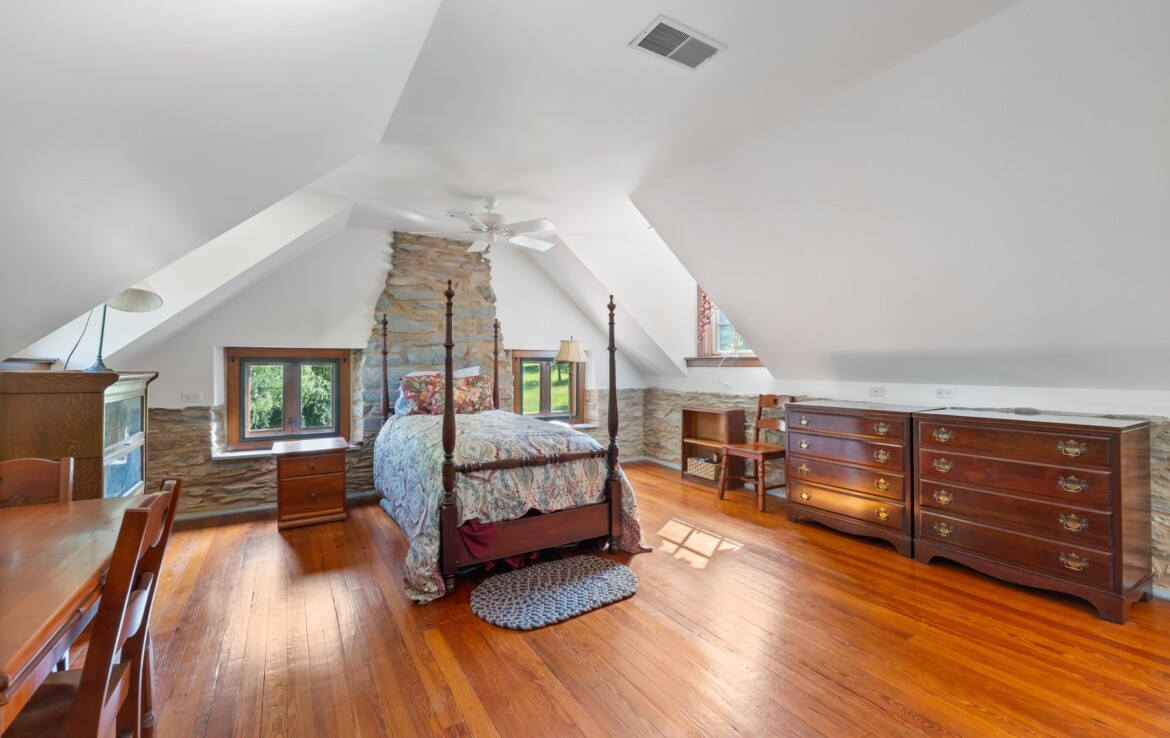
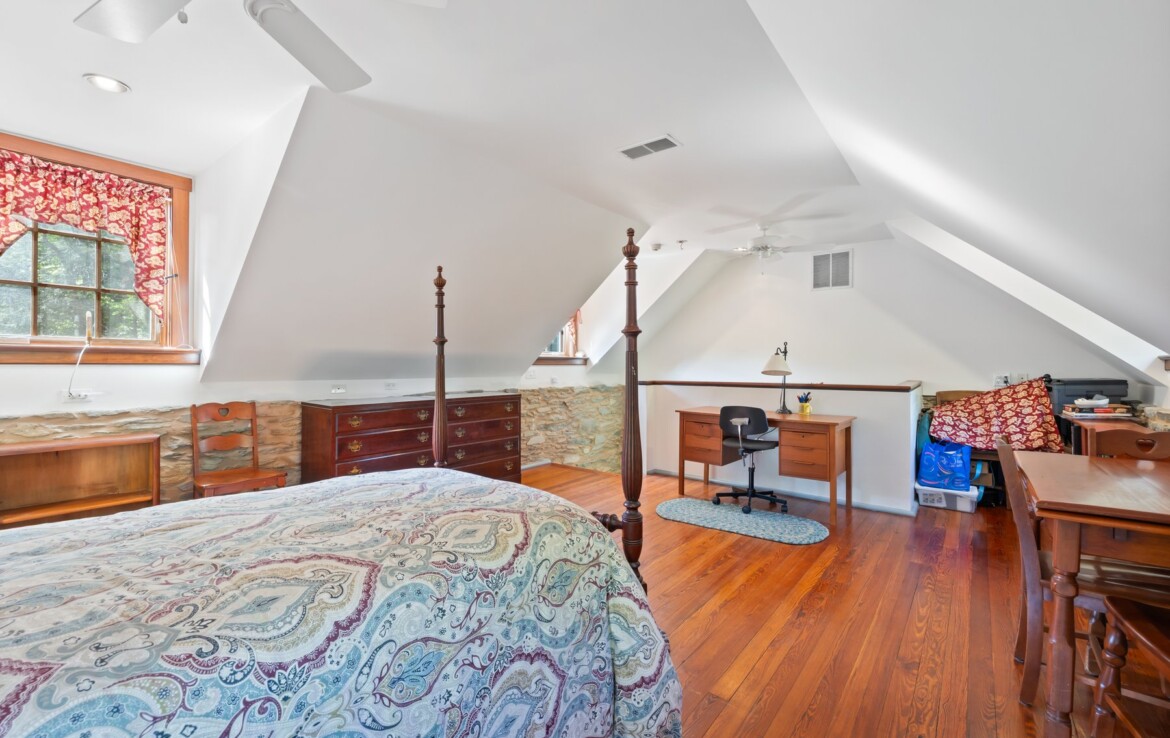
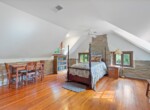
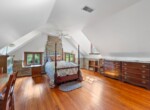
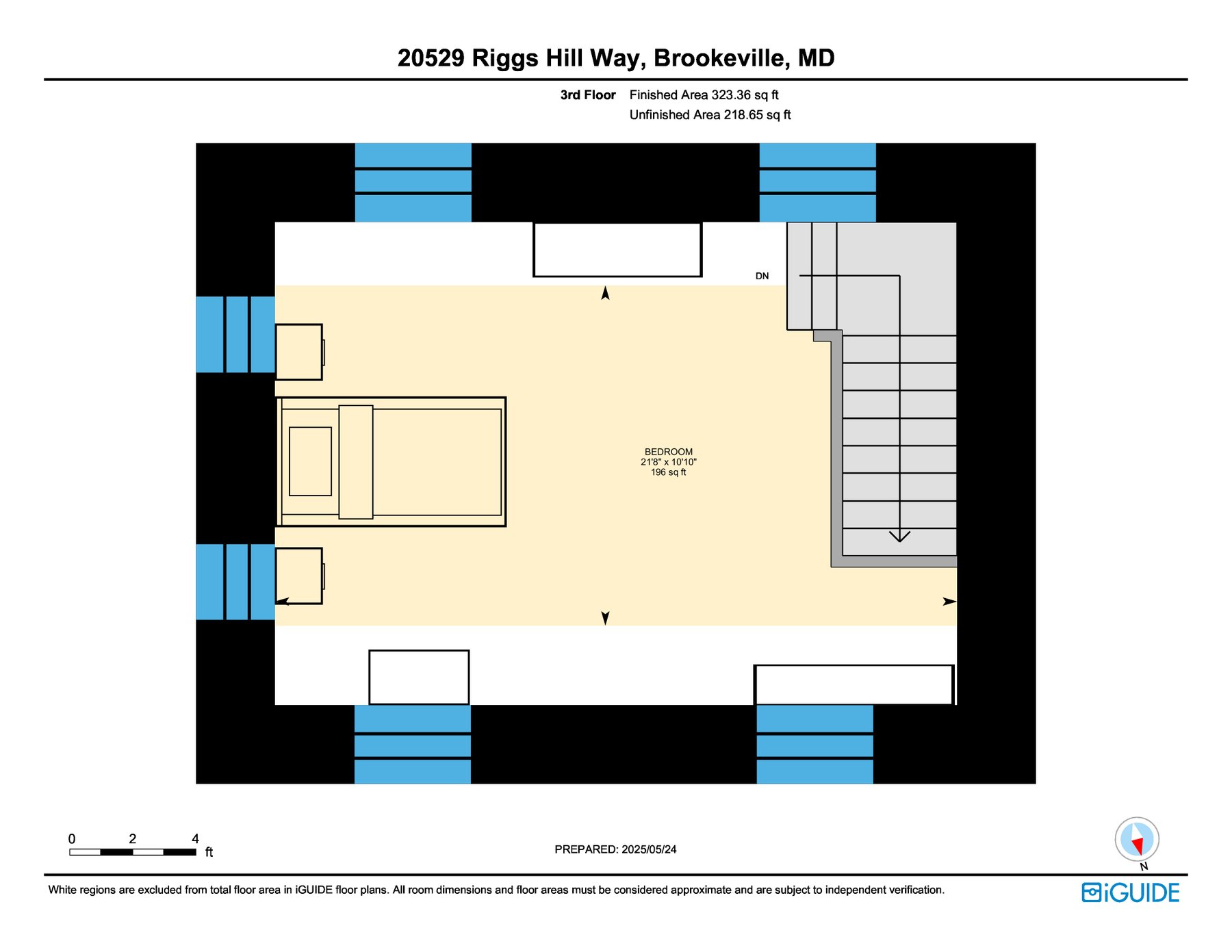
Bedroom 3 17′ x 14′ – Wood floor, stone half wall, 2 ceiling fans, 6 windows.
Ground Level Semi-Attached Cottage/In-law Suite
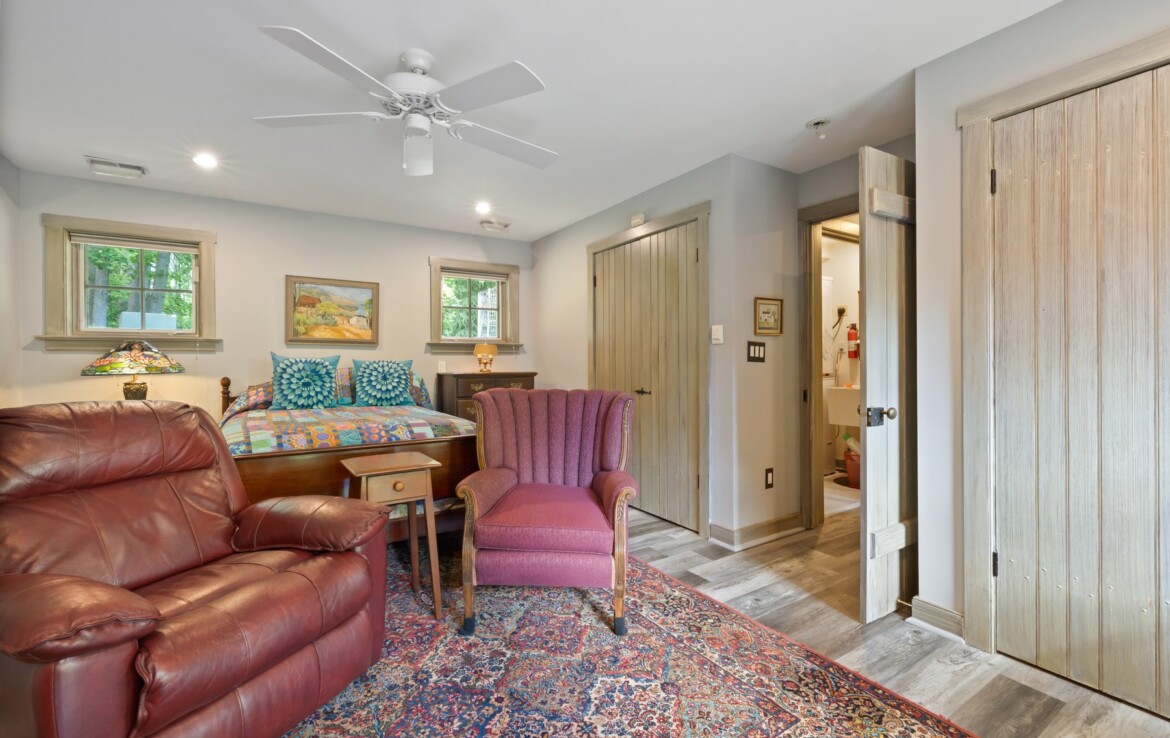
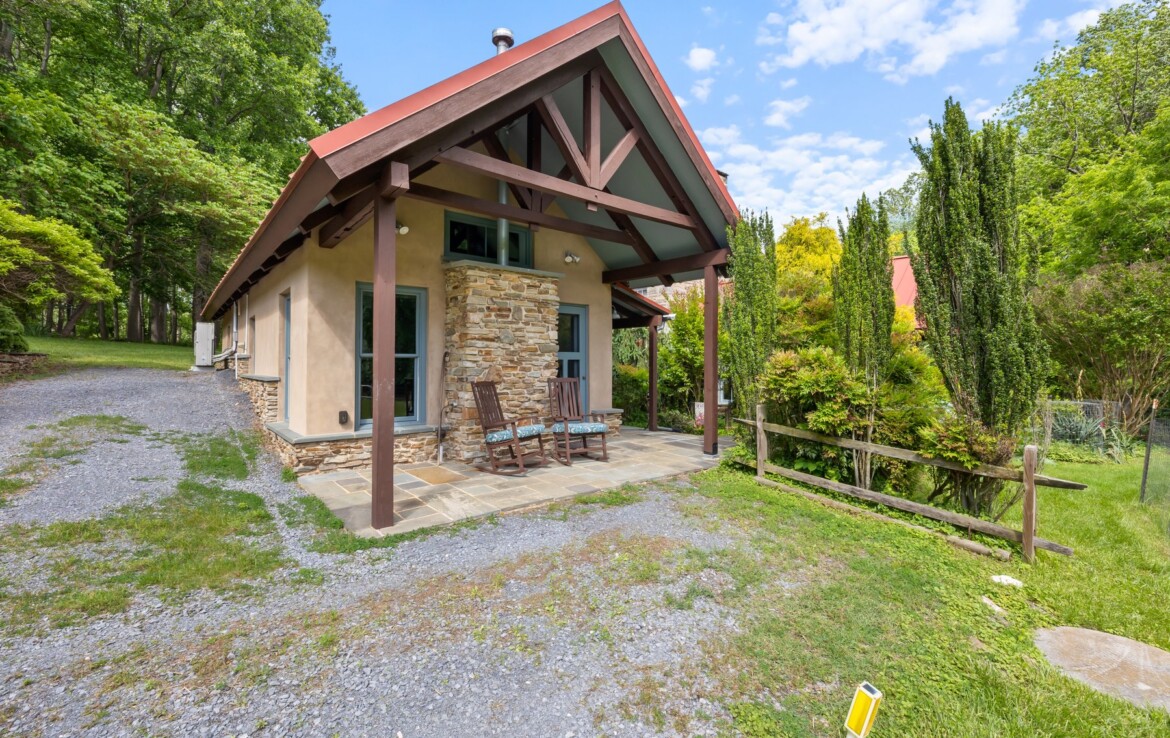
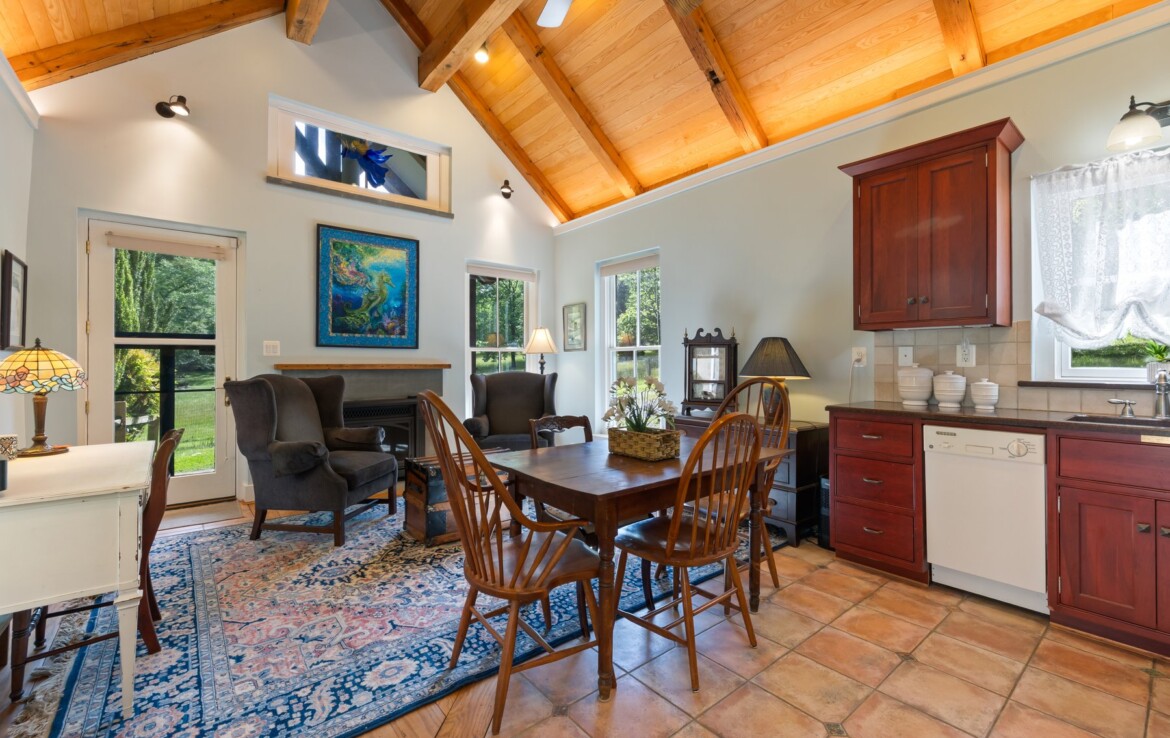
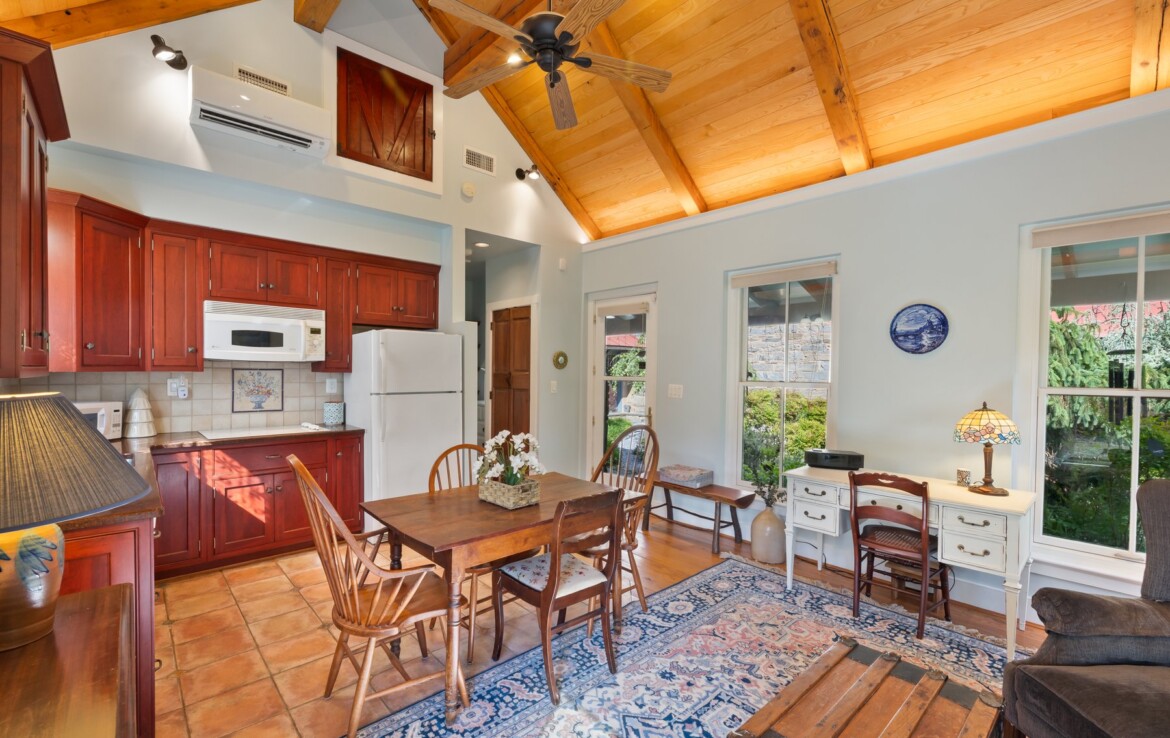
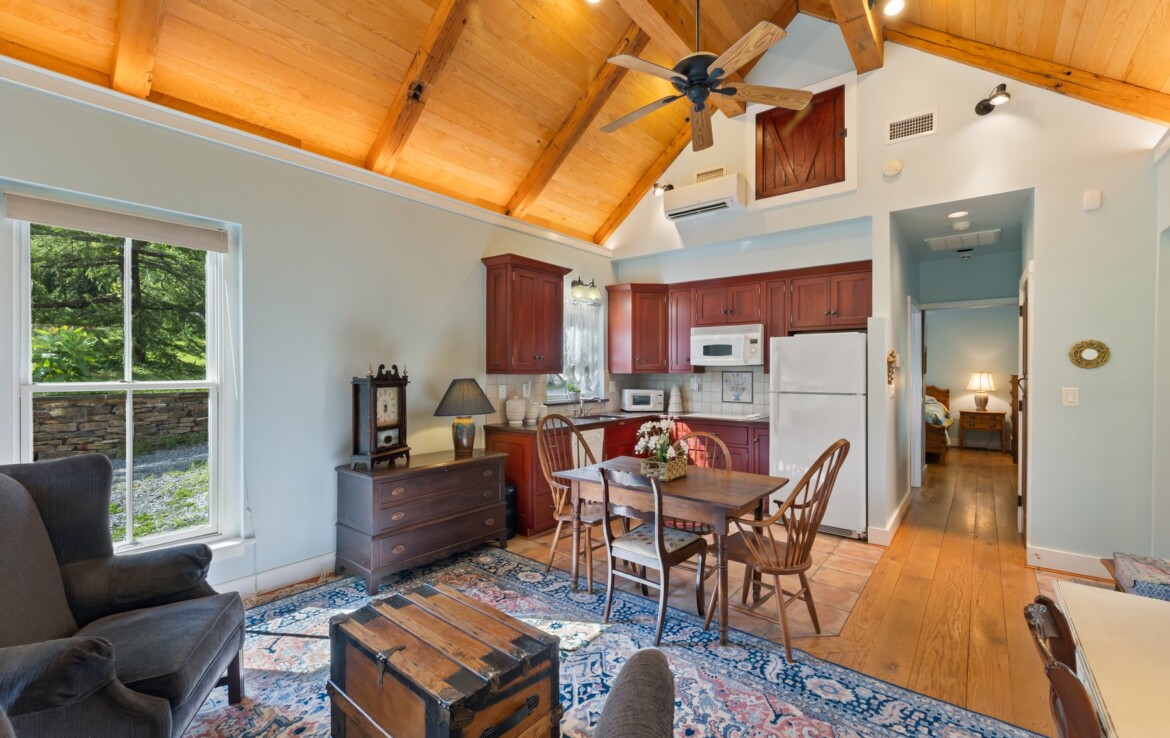
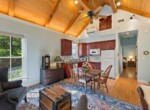
Great Room/Kitchen 16′ x 13′ – Wood floor, tile floor, 15’+ ceiling with exposed wood beams, ceiling fan, Mitsubishi heating/cooling wall unit, granite kitchen counters, courtyard door, French doors to the patio.
Hall 13′ x 8′ – Wood floor, 2 closets, 1 window.
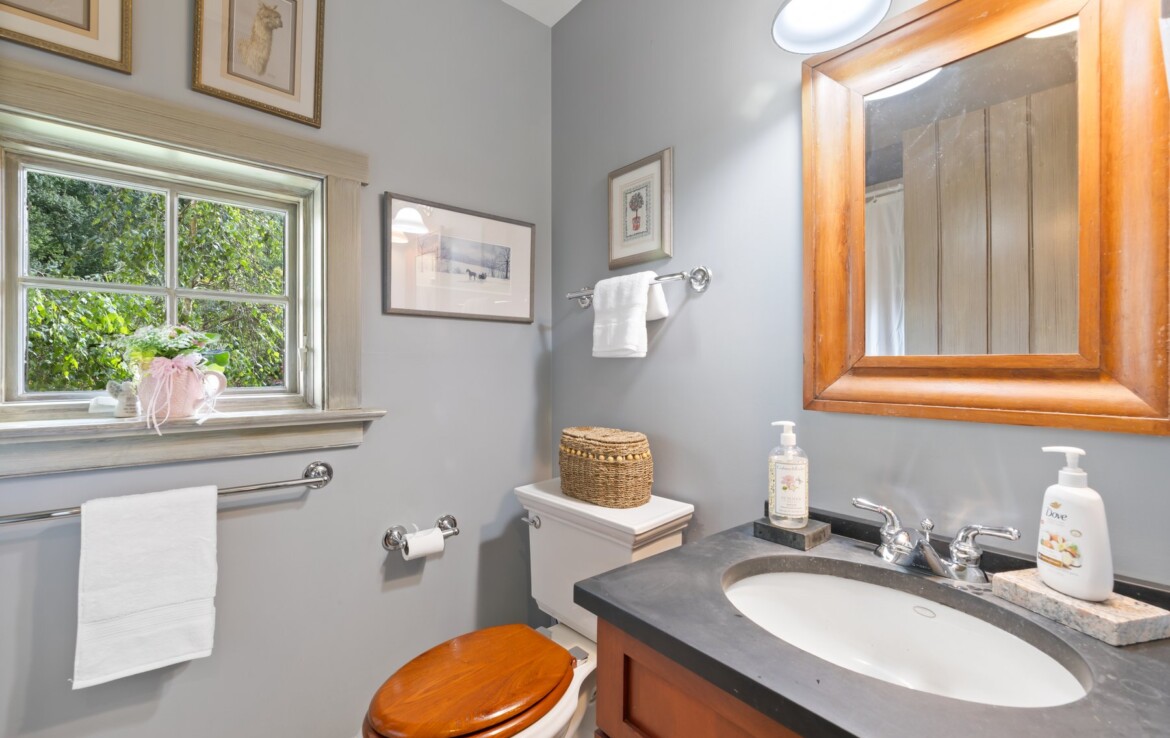
Bathroom 10′ x 5′ – Tile floor, tile shower.
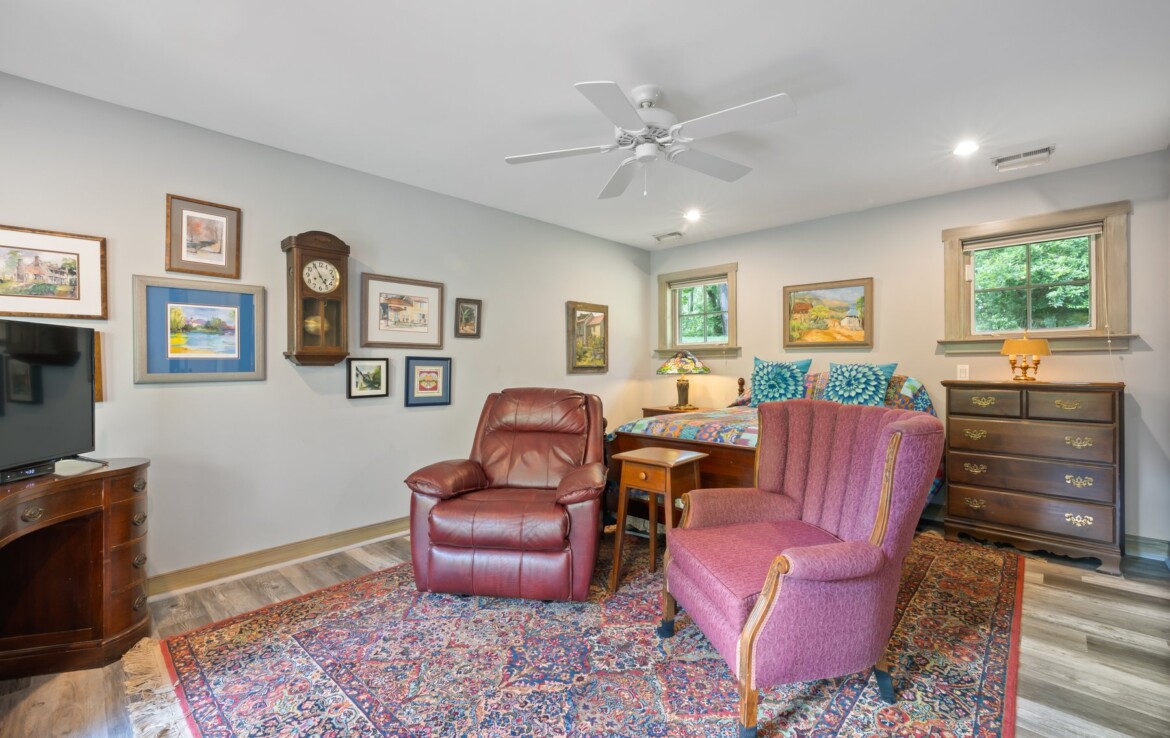
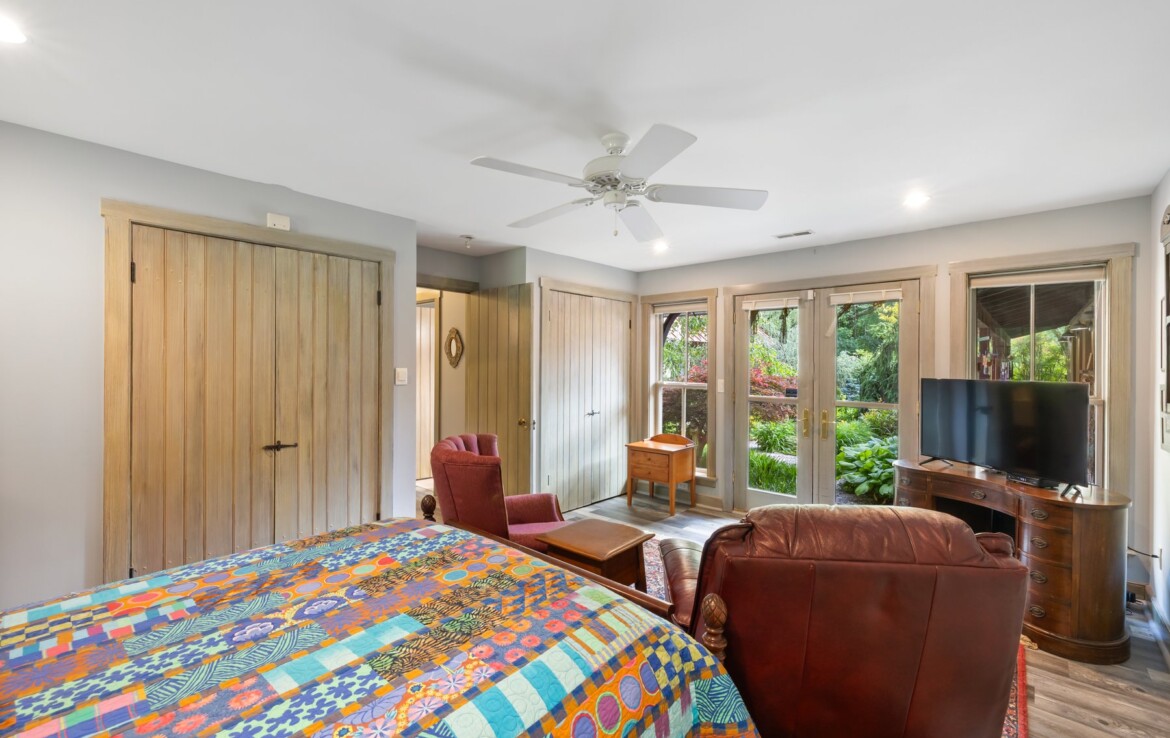
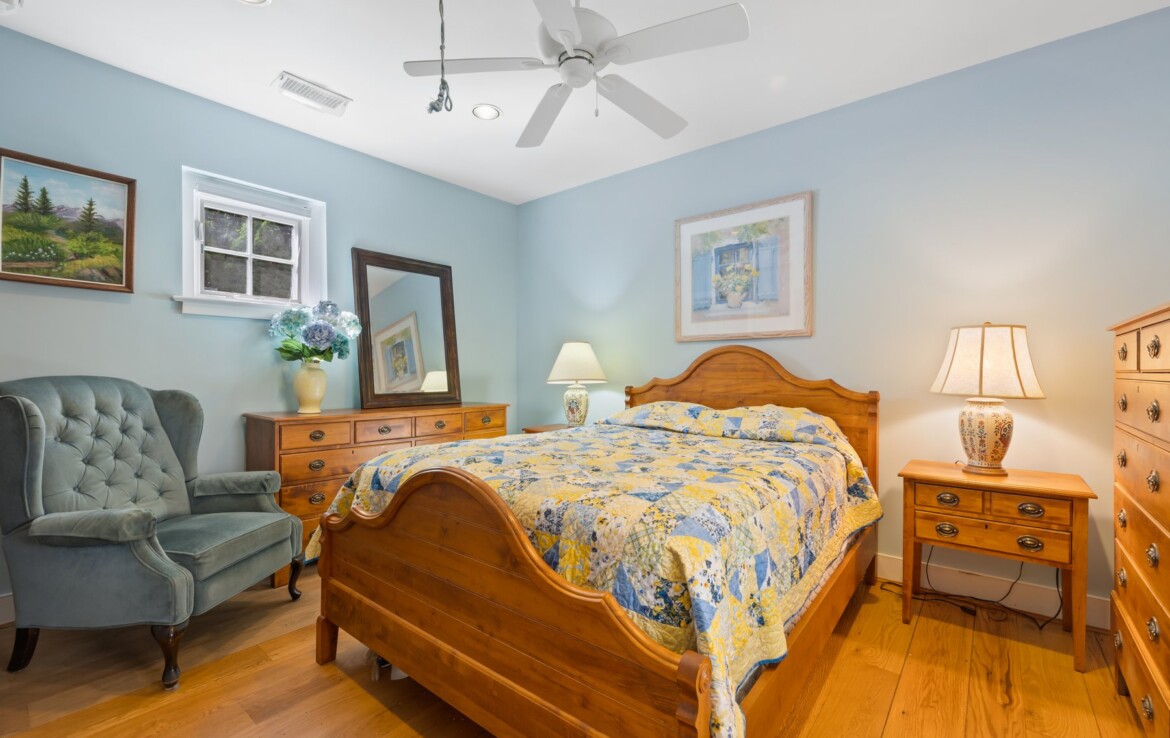
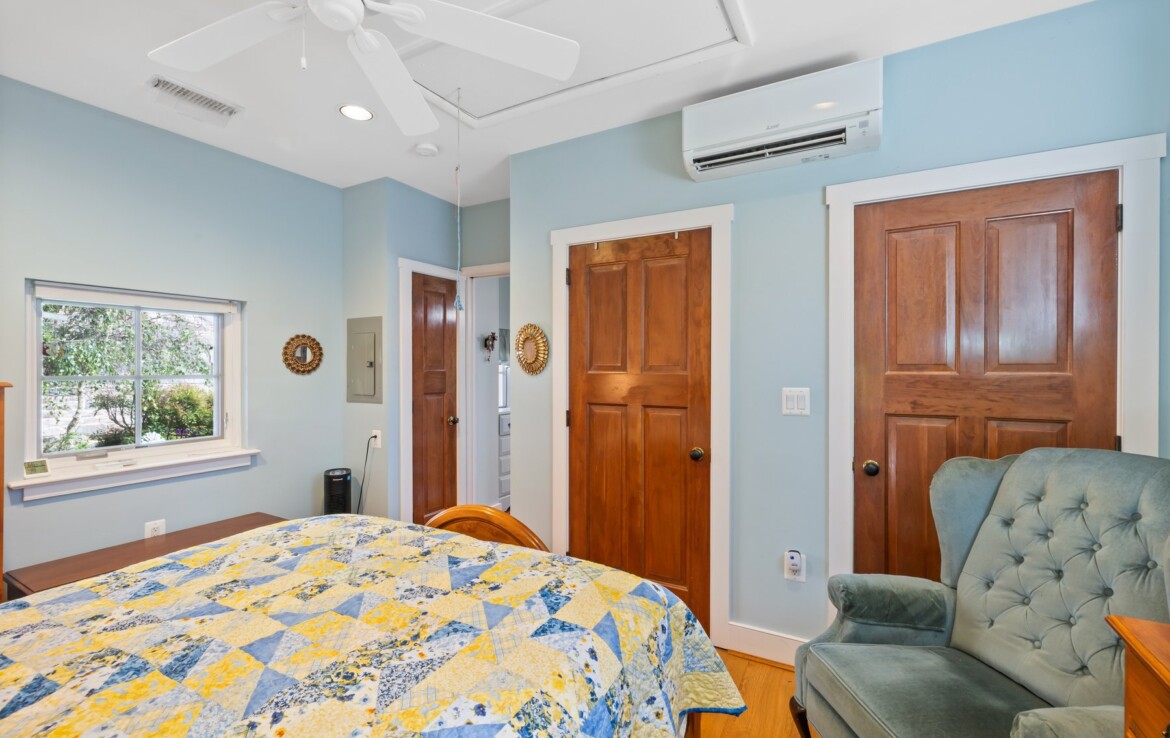
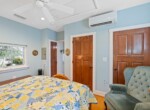
Bedroom 18′ x 14′ – Wood floor, ceiling fan, recessed lighting, Mitsubishi heating/cooling wall unit, 3 closets, 2 windows.
The main significance of this house derives from association with and context for the Brookeville Woolen Mill (Maryland Historic Trust site #23-9). The Woolen Mill was in use throughout much of the 1800’s into the early 1900’s and the subject house is of similar construction to both the Woolen Mill and the Miller’s house. The subject house is located 300 yards southwest of the Brookeville Woolen Mill. There is oral family history in the Hottel family (owners of the subject house through much of the twentieth century) that links the subject house to the Woolen Mill and supports its use as Mill worker’s housing. There is aerial photographic evidence from 1943-1944 (Sandy Spring Quadrangle Maryland map) that a short unimproved dirt road, ran directly between the Mill and the subject house, literally connecting them. The subject Brookeville Woolen Mill Worker’s House site and the Mill itself were both embedded in contiguous parcels of Holland family land from the time of the land acquisitions of James and John Holland, (1742 and 1768 respectively). The Mill Worker’s House site persisted in the Holland family until its sale by Willie Grafton Holland to the Hottel brothers in 1931. The time period from 1768-to-1931 spanned the era of the Brookeville Woolen Mill operation. The Brookeville Woolen Mill is reported to be the only surviving one of its type (woolen felting mill) in the State of Maryland. This gives support for a possible statewide significance for the Brookeville Woolen Mill Worker’s House.
more>>>>
1783 Tax Assessment – John Holland, Sr. is assessed £125 for 110 acres of part of “Bordley’s Choice”. The assessment is based on a record of 2 small dwelling houses, framed tobacco house, 35 acres cleared, 2 acres bottom which may be made meadow, sapling land, and midling soil. It is possible that the subject Mill Worker’s Stone House site is one of these, since land records quoted here confirm that the 110 acre parcel contains the subject site and that it borders the Holland family “Prospect Hill” site.
1798 Tax Assessment – John Holland, Jr. is assessed for 92 acres and John Holland Sr. is assessed for 18 acres; two parts of the original 110 acre purchase of “Bordley’s Choice”. John Holland, Sr. is also assessed for 114 acres of “Gittings Hah Hah”.
Feb. 23, 1816 – The will of John Holland, Jr. is recorded at at Liber 2 folio 491 in the will records of Montgomery County, MD. His brother James Holland is the executor. James is married to Hannah Hammond Welsh. They have 5 sons and 3 daughters, all born c.a. 1800-1810.
1831 Tax Assessment – James Holland is assessed for 117 acres of “Gittings Hah Hah” and several other parcels. James becomes the principal land holder in the Holland family, accumulating a total of approx. 369 acres.
ca. 1834 – James Holland dies leaving a verbal will.
Oct. 2, 1834 – Indenture Agreement executed between Grafton Holland (son), Phillip Holland (son), Charles Holland (son), and Samuel Holland (son) of the first part and Sarah Holland (daughter), Ann Holland (daughter), and Mercy Ann Holland (daughter) of the other part as recorded at Liber B.S. 6 folio 560 in the land records of Montgomery County, MD. This Indenture Agreement among the children and sole inheritors of James Holland (father) provides for the payment of $1,000 to each of the daughters by the sons and allows the daughters to remain in the Holland mansion, Prospect Hill (Maryland Historic Trust site #M-23- 72), until their marriage or death. This indenture agreement resulted from the “verbal will of their late father, and by their own good and mutual agreement”. Each of the sons has particular responsibilities under the verbal will, e.g. Charles Holland is to manage Prospect Hill for the benefit of the family and enjoy Prospect Hill farm profits in return.
Oct. 18, 1834 – Estate of James Holland (father) to Grafton Holland (son), deed recorded for 92.13 acres in response to Indenture Agreement of Oct. 2, 1834. Description of this parcel of land confirms that it contains the site of the subject Mill Worker’s Stone House.
Oct. 18, 1834 – Estate of James Holland (father) to Phillip Holland (son), deed for 105.16 acres, recorded at Liber B.S. 6 folio 572 in the land records of Montgomery County, MD. Description of this parcel of land confirms that it contains a second portion of the 59.75 acres plus 1 square perch parcel (see entry of March 13, 1928) that is relevant to the subject Mill Worker’s Stone House.
more>>>
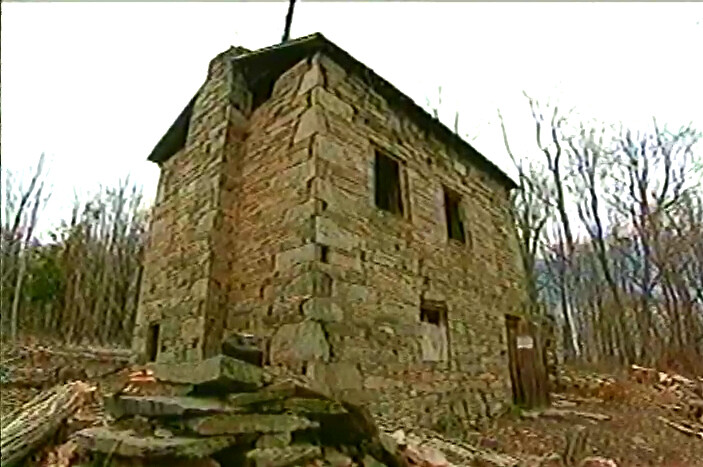
The core of this early 19th century stone dwelling was fully restored, repointed, and adapted to modern living in 1998 -to- 2000 as a 21⁄2 story historic home surrounded by a 25-acre farmland property. A modern kitchen, first floor bedroom, and a sun room were added to the core during restoration.
This 2,600 sq. ft main house, adjacent 600 sq. ft. separate-structure addition built in 2004, and its farmland setting are 300 yards west of the Brookeville Woolen Mill which is listed as an historic property at the National level. An aerial photo from the 1940s shows a dirt road connecting our property with the Brookeville Woolen Mill.
Restored main house was designed by Miche Booz Architects of Brookeville to incorporate the original multi-story stone core structure built in the early 1800s and its attached single-story kitchen. We believe the kitchen was a stand-alone log cabin built as the first structure at this site and composed of a field stone knee wall and 1 story stone fireplace and its chimney in the 1700s. There is evidence acquired during restoration that the multistory stone core of the main house was built up against one wall of the log-cabin.
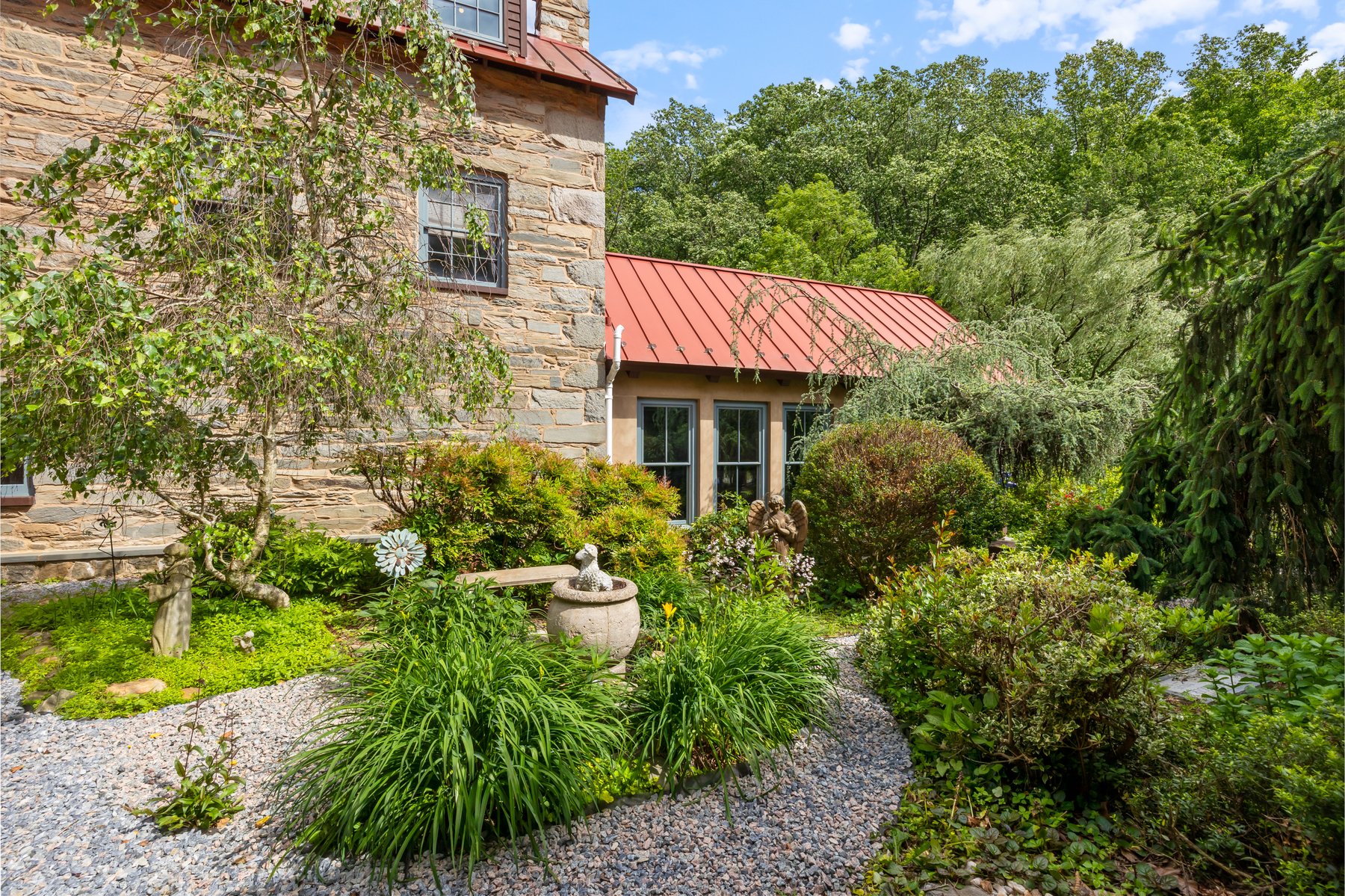
Restoration to the Miche Booz design which incorporated the original stone walls and kitchen fire place was led by Oak Grove Restoration under the leadership of Barry Van-Riper 18-inch thick stone walls of the main house are stable and plumb to better than one degree attesting to the highest quality stone masonry characteristic of the Quaker community from Pennsylvania who settled in the Sandy Spring, MD area. These original stone walls were augmented during restoration with new construction of poured concrete supporting slabs in all foundation corners and connected with new concrete slabs over thick gravel bases. These walls only required and did receive repointing.
The original core structure of the main house had an exterior stone stairway whose structure and raw stone material, composed primarily of gray mica schist and field quartz, was removed and used during restoration to finish off the third story low walls to support the roof, construct a chimney above the dining room fireplace, and serve as base layers for the first-floor kitchen and extension of the first-floor kitchen chimney to a second-floor bathroom chimney. Note that all roof material for the main house, the addition, and the exterior carport employ standing seam, red sheet metal.
more>>>
Founded by Richard Thomas, Jr, and his wife Deborah Brooke Thomas. in 1794, Brookeville is a historically significant 19th-century rural settlement in Upper Montgomery County, Maryland, approximately 18 miles north of the District of Columbia. Covering approximately 60 acres, the Town consists of 55 individual properties and has an estimated population of 135 residents.
In August 1814, during the War of 1812, British forces captured and burned Washington, DC. Residents escaped the attack by heading north. In the Town of Brookeville, they were given food and shelter.
As the sun set on August 26, 1814, a weary James Madison rode into the Town of Brookeville. The President of the United States had been on the move for nearly three days since he left Washington ahead of the British troops marching to capture the city. In Brookeville, the President found a small but prosperous industrial town overflowing with other refugees from Washington. After a night spent at the home of leading residents Caleb and Henrietta Bentley, Madison and his attendants returned to Washington the next morning. His stay made the Town “U.S. Capital for a Day”, a title the Town still proudly claims today. (Town of Brookeville website)
more>>>
“When a property carries the county historic designation it acts as a layer of protection to the exterior features within the historic setting (designation boundaries). In most cases like this the entire parcel is within the designation. This means any work you wish to do to the exterior of this property will first need to be reviewed by means of the Historic Area Work Permit application. The Historic Preservation Commission will evaluate the changes being proposed and verify if the changes are compatible with the historic resource. The historic review is required before any other permit review can begin. This application is required for any work that will affect the exterior of any feature on the property. This includes the addition or subtraction of such features. Work that does not require review would be all interior projects and general gardening, tree removals are the exception. You are also allowed to affect routine maintenance without review so long as the word “replace” is not used in your project description. Please be aware that maintenance on the exterior of the historically significant structures (typically the original house before modern additions) may be eligible for the Historic Preservation Tax Credit. This is an annual program that allows you to receive a credit which applies to your property tax account. Up to 25% of the cost of eligible work can be applied to your property tax account bill. This program is for all eligible work you do in a full calendar year (starting January 1 and ending December 31) each year. Please read the tax credit information before you start any project that you may consider applying for through the tax credit program.”
ref: Montgomery County Historic Preservation Commission
Miche Booz Architect – Brookeville Woolen Mill Worker’s House Restoration
Washington Post Home Feature – Still Standing After All These Years – 10/2002
Survey Plat – 1999 Miche Booz
2001 Preservation Award – Montgomery County
Oak Grove Restoration – Led the restoration work
Maryland Historical Trust – Brookeville Woolen Mill Workers House
Town of Brookeville – Town Website
Maryland Historical Trust – Brookeville Woolen Mill & House
Montgomery County Historic Preservation – Historic Preservation Office
All information is deemed reliable, but not guaranteed.
Updated on November 13, 2025 at 5:12 pm




 Brookeville Mill Worker House c.1800 - 20529 Riggs Hill Way, Hawlings River Estates, Sunnymeade, Montgomery County, Maryland, 20833, United States