Saving History Without Sinking Your Savings: How renovation loans make restoring an original historic home financially achievable in a single mortgage.
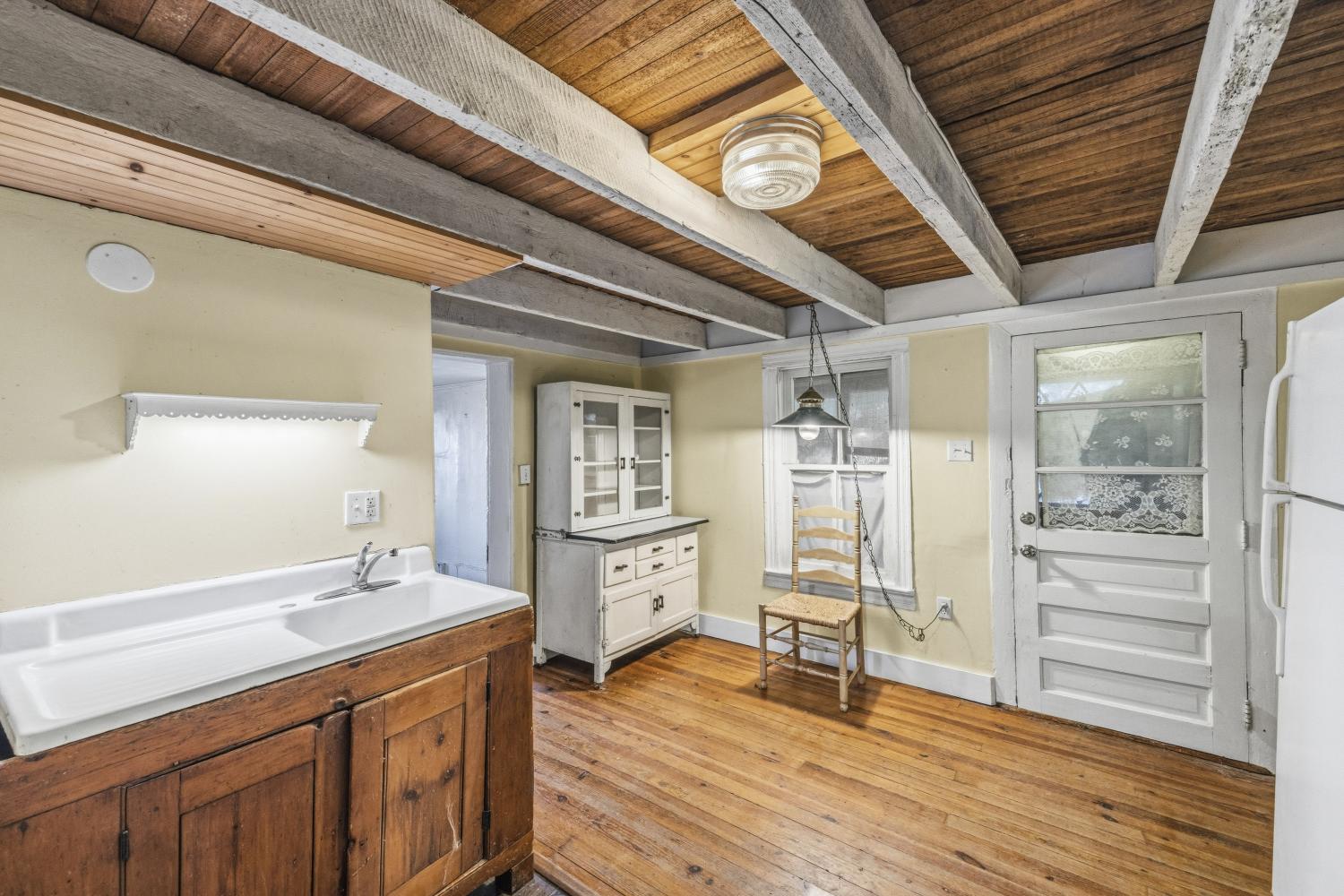
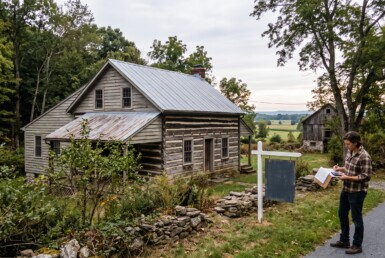
As I prepare to list a remarkable c.1850 log home in need of restoration—a property featuring stunning views, exceptional structural bones, and a rich Civil War history—I am reminded of the often-overlooked financing tools that make historic preservation both attainable and financially sound.
Anyone who has ever fallen in love with an old house knows the feeling. You step across a squeaky heart-pine floor, admire hand-carved millwork or heavy timber frames, and immediately start picturing what the property could be.
Then comes the cold reality check: the knob-and-tube wiring needs replacing, the slate roof is missing a few tiles, and the plaster work requires a master’s touch.
Too often, prospective historic home buyers assume they have only two choices:
- Pass on the property entirely and leave it for a developer to strip away its original soul.
- Buy the house with a traditional loan and drain every penny of cash reserves trying to fund repairs piecemeal over years.
Fortunately, there is a third option that allows you to buy the home, fund the restoration from Day 1, and protect your personal savings: the renovation loan.
What Is a Renovation Loan?
A renovation mortgage is a single primary loan that combines two distinct amounts into one monthly payment:
- The cost to purchase the property in its current condition.
- The budgeted cost of repairs, updates, and architectural preservation.
Unlike standard home loans—which determine borrowing limits based on what the home is worth today—a renovation loan is underwritten based on the home’s projected After-Repair Value (ARV).
An appraiser evaluates the property alongside your contractor’s detailed scope of work, evaluating the house as if all the restoration work were already complete.
Why Renovation Loans Are Built for Historic Properties
1. Preserve Your Liquid Working Capital
Historic restoration almost always reveals a surprise or two behind the walls. Draining your personal savings to fund plaster repair, electrical upgrades, or masonry repointing leaves you cash-poor and vulnerable. By rolling construction costs directly into your mortgage, your cash remains in your bank account for emergencies, historic tax credit applications, or period-appropriate furnishings.
2. Lock In Lower, Long-Term Interest Rates
Financed construction through credit cards, short-term hard money loans, or personal credit lines comes with steep interest rates and short repayment windows. A renovation loan lets you secure long-term, fixed mortgage rates for the entire project budget.
3. Immediate Equity Creation
Customizing a historic home to modern living standards while preserving its architectural character consistently creates immediate equity. When you purchase below market value due to deferred maintenance and execute a thoughtful restoration, the completed ARV often exceeds your total acquisition and renovation costs.
The Primary Loan Programs to Know
Depending on your financial goals and the property type, several renovation products stand out for old-house stewardship:
- Fannie Mae HomeStyle® Renovation: A conventional loan option that is often the favorite for historic home buyers. It can be used for primary residences, second homes, or investment properties, offering competitive interest rates and flexibility for major architectural work.
- FHA 203(k) Standard: Designed for primary residences, this government-backed loan allows down payments as low as 3.5%. It is built for structural repairs, major mechanical overhauls, and full-scale historic rehabilitations, with a required independent 203(k) consultant to oversee the budget.
- VA Renovation Loan: A zero-to-low down payment option for qualifying veterans and military families looking to restore a home as their primary residence.
The Four-Step Restoration Roadmap
- Get Pre-Approved with a Renovation Specialist: Partner with a lender who explicitly specializes in renovation products. Their team will determine your total borrowing limit (Purchase Price + Renovation Budget).
- Assemble Your Historic Trades Team: Select licensed contractors experienced with historic structures. They will generate an itemized scope of work and official cost estimates covering everything from timber framing to custom sash window repair.
- Appraisal & Underwriting: The appraiser reviews the contractor’s scope of work to assign the property’s projected “After-Repair Value.” The lender then approves the total loan amount.
- Closing & Escrow Draws: At closing, the seller is paid for the home, and the remaining renovation funds are placed in a secure escrow account. Work begins immediately, with funds released directly to your contractors as milestones are inspected and verified.
Final Thought: The Greener, Richer Choice
The greenest, most sustainable house is the one that is already standing. Restoring a historic property preserves irreplaceable craftsmanship, prevents old-growth timber from heading to landfills, and invests directly in the character of your community.
With the right financing structure, you don’t have to choose between preserving history and protecting your financial health—you can do both.