The “Un-Rate” Strategy: How Historic Homeowners Beat Mortgage Rates Without Refinancing
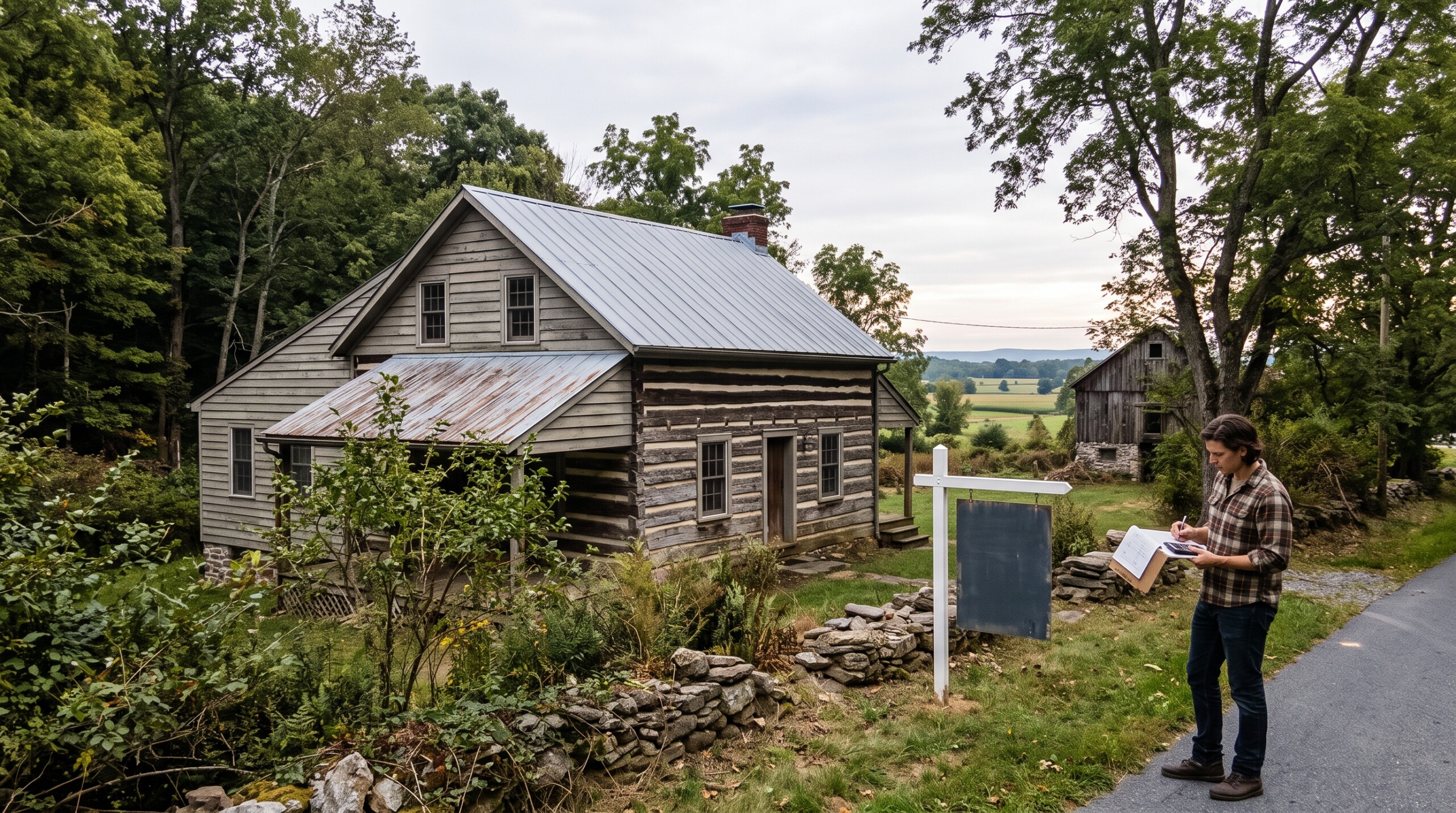
In my last post, we looked at a surprising trend in real estate: historic homes are remarkably resilient to high interest rates. Because buyers of historic properties are often driven by character, location, and stewardship rather than purely speculative resale, historic neighborhoods tend to experience lower rate sensitivity than standard suburban subdivisions.
But understanding why historic homes hold value doesn’t change the reality of today’s mortgage market. If you are shopping for a home right now, a 6.5% or 7% interest rate still impacts your monthly bottom line.
What if you didn’t have to wait for the Federal Reserve to cut rates to make your dream historic home affordable?
Enter The “Un-Rate” Strategy.
Instead of focusing solely on the nominal interest rate on your mortgage note, the Un-Rate Strategy looks at your effective cost of capital. By stacking unique federal, state, and local incentives that are only available to historic and vintage property buyers, you can dramatically offset your monthly carrying costs—effectively neutralizing the impact of higher interest rates.
Here is the three-part framework for executing the Un-Rate Strategy.
1. Zero-Down Capital Preservation: The VA Loan Advantage
Many buyers assume that government-backed financing—specifically VA loans—only works on cookie-cutter suburban tract homes. There’s a widespread myth that the VA’s Minimum Property Requirements (MPRs) automatically disqualify older or historic properties.
The Reality: The VA doesn’t care if a home was built in 1924 or 1824, as long as it is safe, sound, and sanitary.
For eligible veterans and active-duty service members, using a VA loan on a historic home unlocks two massive financial levers:
- $0 Down Payment: You preserve 100% of your liquid capital upfront rather than sinking tens of thousands of dollars into home equity.
- No Monthly Private Mortgage Insurance (PMI): Unlike conventional loans with less than 20% down, VA loans carry no monthly mortgage insurance, saving hundreds of dollars per month on your payment.
The Strategy: Keep your cash in high-yield reserves or reserve it for historic home improvements, using $0-down VA financing to secure the property without tying up your liquidity.
2. Capital Offset: State & Federal Historic Rehabilitation Tax Credits
This is where the math really turns in your favor.
If your historic property is a contributing structure in a registered historic district (or individually listed on the National Register), major restoration work often qualifies for Historic Rehabilitation Tax Credits.
- State Rehabilitation Tax Credits: Many states offer income tax credits ranging from 20% to 30% of qualified rehabilitation expenses (QREs) for owner-occupied historic residences. If you spend $100,000 restoring original wood windows, re-pointing historic masonry, or updating mechanical systems, you could receive $20,000 to $30,000 directly back as a state tax credit.
- Federal Credits (Income-Producing): If part of your historic property includes a rental unit, carriage house, or bed-and-breakfast, you can also tap into the 20% Federal Historic Preservation Tax Credit.
How this beats high interest rates:
A $30,000 tax credit directly offsets your income tax liability dollar-for-dollar. When amortized over the first few years of home ownership, those tax savings effectively reduce your net monthly housing expenditure—mimicking the cash-flow benefits of a rate reduction of 1.5% to 2.0% on your mortgage.
3. Long-Term Tax Reduction: Historic Preservation Easements
For landmark historic properties or significant acreage, a Historic Preservation Easement offers a powerful way to permanently lower your cost basis.
A preservation easement is a voluntary legal agreement where a property owner grants a historic preservation organization the right to protect the building’s exterior facade or surrounding land from destructive alteration or development.
- Federal Charitable Deduction: Granting a qualifying easement to a certified non-profit can qualify as a charitable deduction on your federal income taxes. The value of the deduction is determined by an appraisal measuring the difference in property value before and after the easement.
- Local Property Tax Relief: In many jurisdictions, placing a preservation easement or entering a local historic tax incentive program caps or reduces your annual real property tax assessment.
Since property taxes make up a substantial portion of your monthly escrow payment, lowering your tax assessment directly lowers your monthly mortgage check.
When you look at the total financial envelope—zero monthly PMI, preserved cash reserves, dollar-for-dollar tax credits, and property tax savings—the effective monthly cost of owning the historic home is far lower than the headline mortgage rate suggests.
The Takeaway
Don’t let interest rate headlines keep you on the sidelines of historic home stewardship. While standard buyers are stuck waiting for mortgage rates to drop, historic property buyers have access to an entire toolbox of financial incentives designed to preserve both American history and personal capital.
Interested in exploring historic properties or learning how to navigate VA financing for vintage homes? Reach out directly or subscribe for weekly insights on historic property stewardship, restoration strategy, and niche real estate financing.